Find Your Solution
In 3 minutes, you’ll know where to start ➤
%20.png)





Estimated Reading Time: 6 Minutes
Co-regulation is one of the most powerful tools we have to help children learn how to manage emotions, but many parents wonder: Am I actually doing it right? Understanding the signs that co-regulation is working can help you feel more confident as you support your child's emotional growth.
When your child's emotions are overflowing and your own stress levels are rising, it's easy to question yourself. The good news is that co-regulation isn't about being perfect. It's about creating enough safety, connection, and consistency for your child to learn how to regulate their nervous system over time.
In this episode, I break down three signs you're co-regulating effectively, two common mistakes parents make, and how Regulation First Parenting™ helps children build lifelong emotional regulation and self-regulation skills.
Many parents expect co-regulation to stop meltdowns immediately.
That's not how it works.
The goal isn't perfection.
The goal is helping your child return to regulation more effectively over time.
One of the clearest signs you're co-regulating successfully is that you're creating space between your child's behavior and your reaction.
You may still feel triggered.
You may still feel frustrated.
But instead of reacting immediately, you pause.
That pause helps:
Every time you pause, you're teaching your child that emotions can be managed safely.
Meltdowns may still happen.
Big feelings may still show up.
But recovery becomes quicker.
Instead of staying upset for hours, your child gradually learns how to move through difficult emotions more efficiently.
You may notice:
Progress often shows up in recovery time before it shows up anywhere else.
When co-regulation is working, you begin seeing your child's behavior differently.
Instead of personalizing it, you recognize it as communication.
This shift allows you to:
That's a huge win.
One of the most common questions parents ask is:
"Why can't my child just get over it?"
The answer is that dysregulated children often get stuck in stress responses.
Their nervous systems have a harder time shifting out of fight, flight, or freeze.
When co-regulation is working, you'll notice gradual improvements such as:
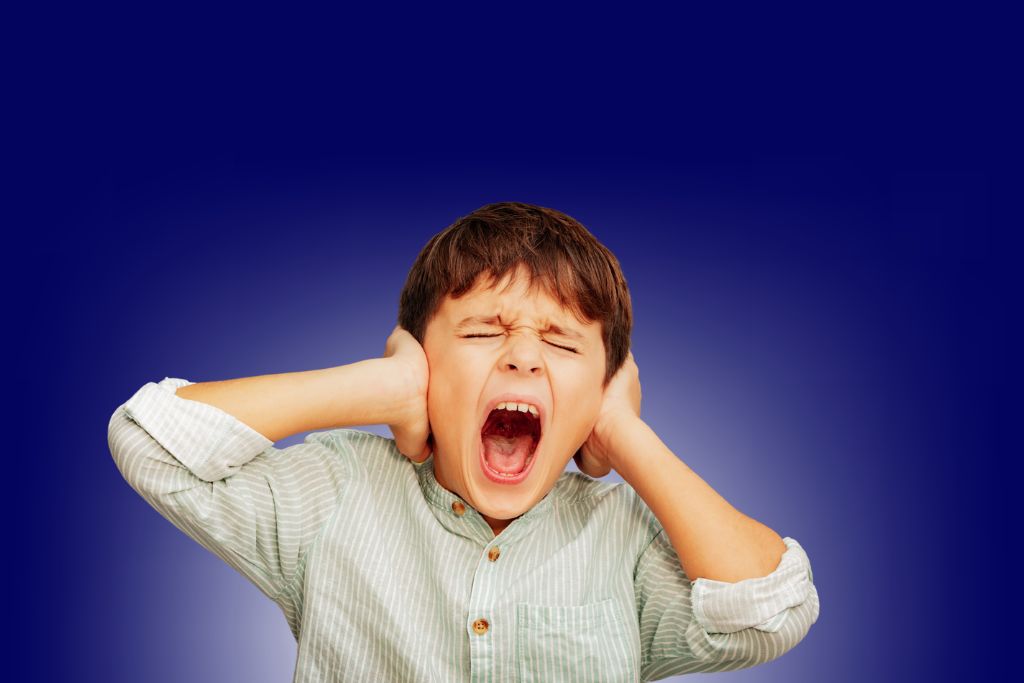
A child who previously screamed for an hour after losing a game begins calming within fifteen minutes after repeated experiences of co-regulation with a parent.
The emotions haven't disappeared.
The nervous system has become more resilient.
That's what progress looks like.
Every parent makes mistakes.
The goal isn't avoiding them.
The goal is recognizing them and adjusting.
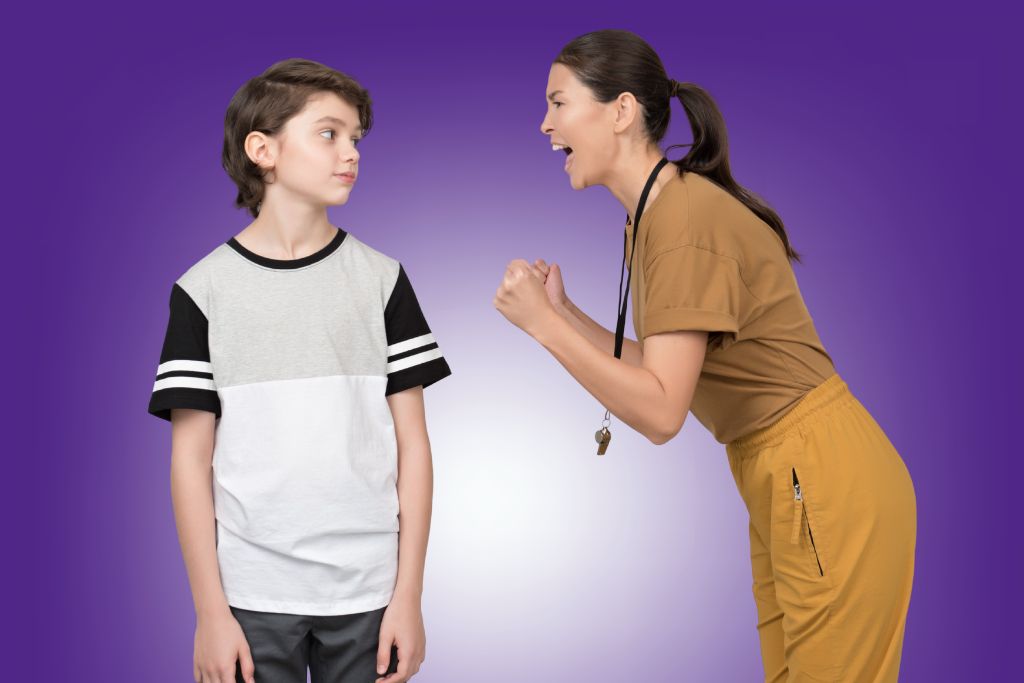
Children are incredibly sensitive to nervous system cues.
You can smile and use a soft voice while feeling highly stressed internally—and your child will often sense it.
Kids notice:
Co-regulation starts with genuine regulation.
Your calm is the catalyst.
Many parents feel uncomfortable when their child is upset.
As a result, they try to:
Too quickly.
But children learn emotional regulation by experiencing emotions safely—not by avoiding them.
Instead of fixing feelings, try:
Connection before correction.
That's where growth happens.
Co-regulation starts with your own nervous system.
The more regulated you are, the easier it becomes to support your child.
No parent gets this right all the time.
When you lose your cool:
Repair is one of the most powerful regulation tools available.
🗣️ "Children grow when they feel emotionally safe. When you regulate, your child learns how to self-regulate too." — Dr. Roseann
Yelling less and staying calm isn't about being perfect—it's about having the right tools.
Become a Dysregulation Insider VIP and get your FREE Regulation Rescue Kit, designed to help you handle oppositional behaviors, reduce stress, and stay grounded during challenging moments. Download it here: www.drroseann.com/newsletter
Absolutely.
Children develop self-regulation through repeated experiences of co-regulation.
They learn by experiencing your calm nervous system over and over again.
Over time, children begin to internalize:
This is how self-regulation develops.
Not through lectures.
Not through punishment.
Through connection and repeated nervous system experiences.
Here's the most important thing to remember:
You do not have to get this right 100% of the time.
Children don't need perfect parents.
They need regulated-enough parents.
Research and clinical experience show that being emotionally available most of the time—not all of the time—is enough.
Remember:
Every pause.
Every breath.
Every repair.
Every calm response.
These moments help wire safety into your child's nervous system.
And that's what creates lasting change.
Co-regulation isn't about stopping every meltdown.
It's about helping your child build the skills they need to navigate emotions safely.
Your child isn't giving you a hard time—they're having a hard time.
When you regulate yourself first, you create the conditions for your child to learn how to regulate too.
Remember:
Don't focus on perfection.
Focus on progress.
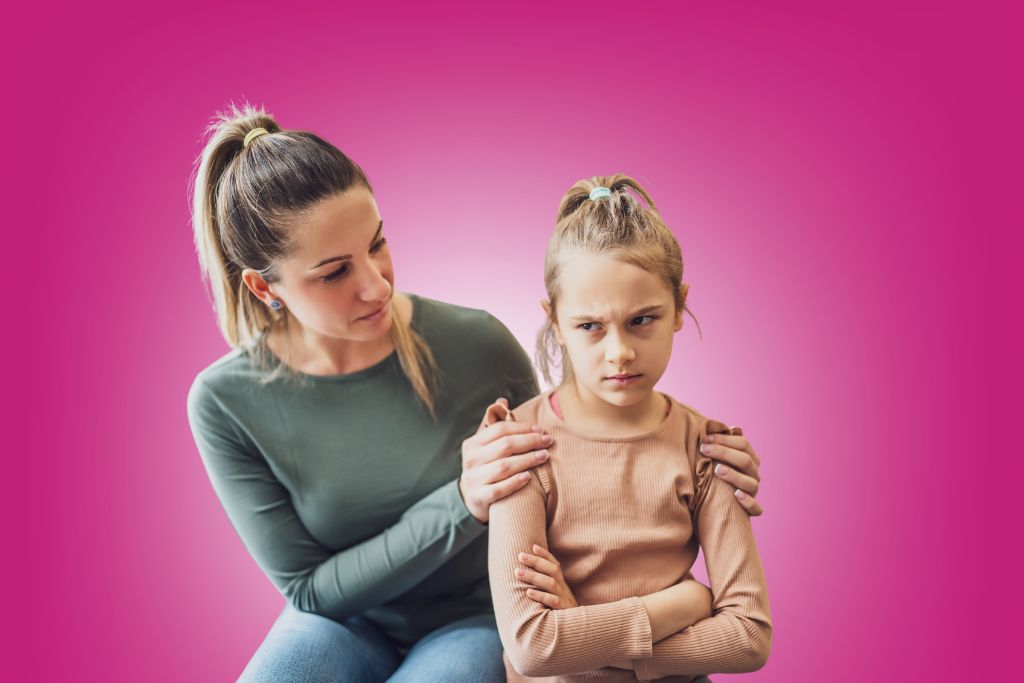
Co-regulation is the process of using your calm, regulated nervous system to help your child feel safe enough to regulate theirs. It is the foundation for developing self-regulation skills.
Signs include shorter meltdowns, faster recovery times, greater emotional flexibility, and your ability to stay calm and connected during difficult moments.
Co-regulation doesn't eliminate emotions. It helps children learn how to move through emotions more safely and recover more effectively over time.
It's normal. Repair is more important than perfection. Apologize, reconnect, and model how healthy relationships recover after difficult moments.
Co-regulation is a process, not a quick fix. Many parents notice improvements in recovery time, emotional resilience, and connection long before meltdowns disappear completely.
When your child is struggling, time matters.
Use the Solution Matcher to get clear next steps based on what's actually happening with your child's brain and behavior. Take the quiz here: www.drroseann.com/help
Dr. Roseann Capanna-Hodge is a licensed therapist, certified school psychologist, and leading expert in emotional dysregulation in children. With over 30 years of experience, she helps parents understand the root causes of meltdowns, anxiety, ADHD, and challenging behavior through the lens of nervous system regulation. Dr. Roseann teaches practical, science-backed strategies for co-regulation and how to calm a dysregulated child using her Regulation First Parenting™ approach. She is the host of the Dysregulated Kids Podcast and author of The Dysregulated Kid.
Dr. Roseann Capanna-Hodge
Emotional Dysregulation in Children & Nervous System Expert
Regulation First Parenting™ | CALMS Protocol™
Host of the Dysregulated Kids Podcast (Top 1% Globally)
Author of The Dysregulated Kid