Find Your Solution
In 3 minutes, you’ll know where to start ➤
%20.png)





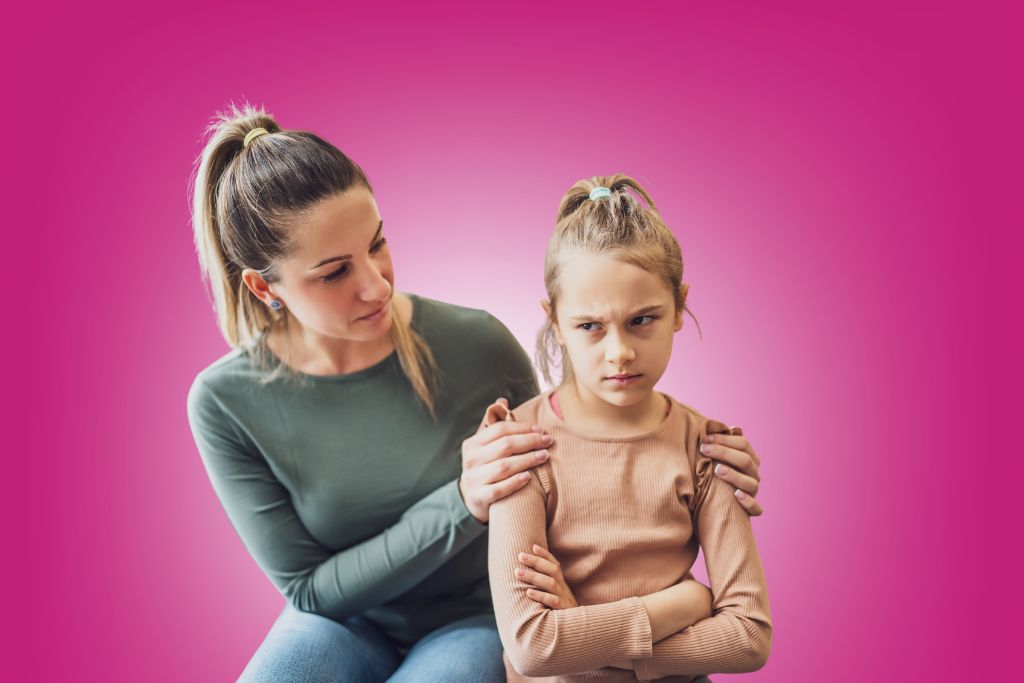
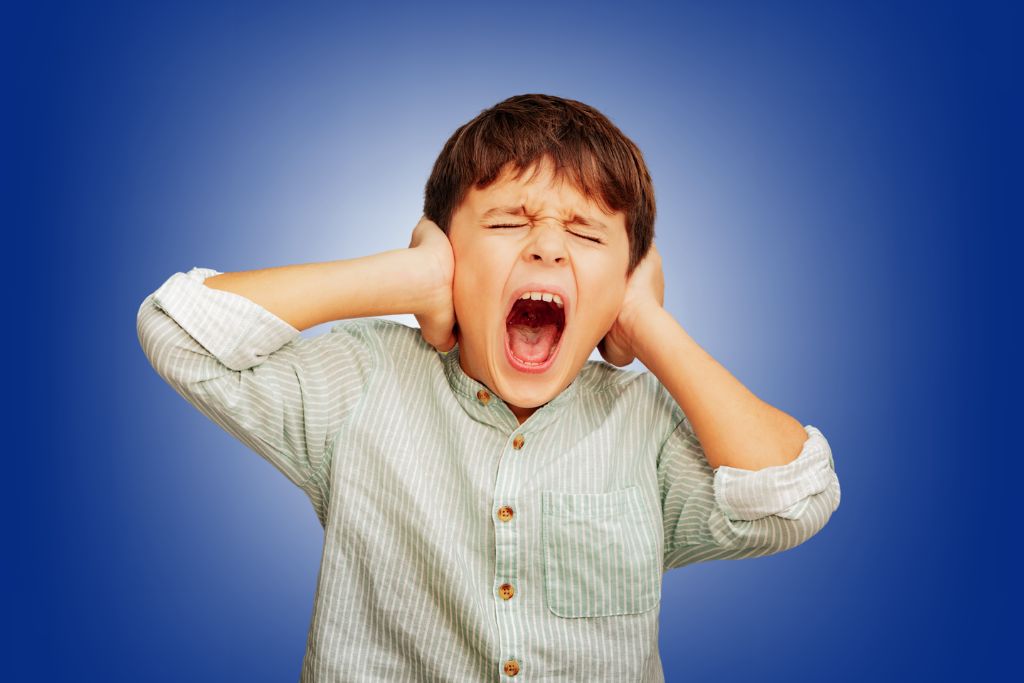
Parenting a child who shifts into fight, flight, freeze, or fawn can feel overwhelming. You’re not alone in that experience. Dysregulation can turn everyday moments into emotional landmines for the whole family. If you’ve been noticing those early shifts in your child’s mood or behavior, these early dysregulation signs can help you understand what’s happening.
Kids with PANS/PANDAS, anxiety, or mood issues aren’t “overreacting”, their nervous system is overloaded and signaling danger.Key insights:
Sensory techniques work because they ground the body and soothe the nervous system. They’re simple, fast, and great for kids who can’t talk through big feelings yet.Try:
Example: Before homework, your child spends 5 minutes under a weighted blanket. You can try these sensory calming strategies to reduce irritability and improve focus.
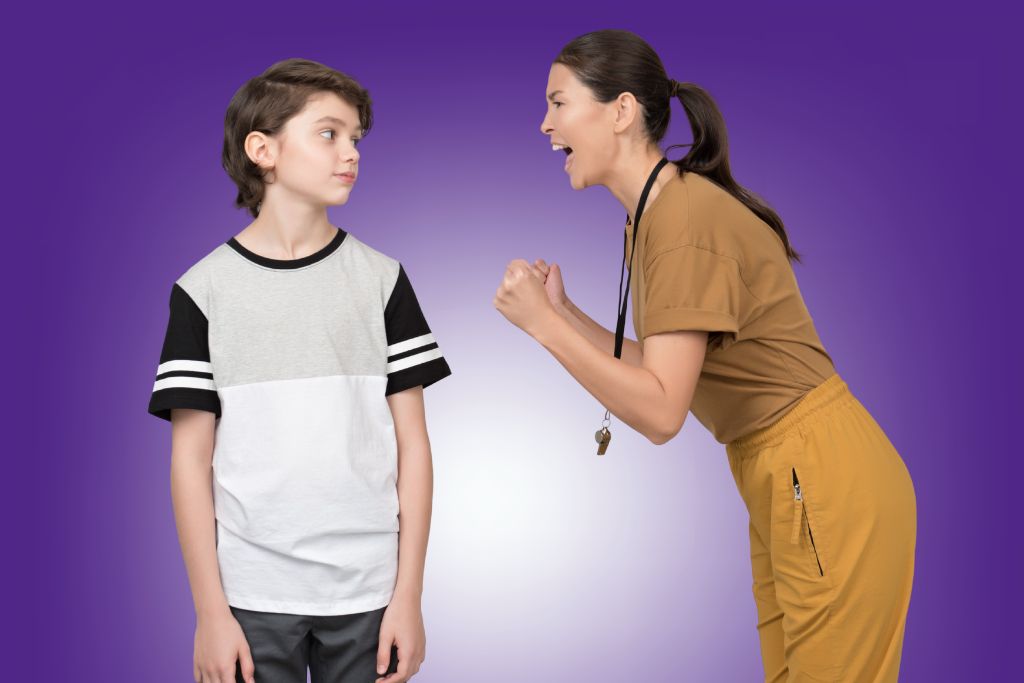
Kids with big emotions often experience feelings more intensely than their peers. When stress builds, their nervous system can become overwhelmed, making it difficult to think clearly, manage frustration, or cope with everyday challenges. What looks like defiance, aggression, or overreacting is often a sign that a child needs support regulating their emotions.
Key insights:
Example: A child who seems fine one moment may suddenly burst into tears or anger after a small disappointment. By focusing on regulation before correction, parents can help kids with big emotions feel safe, recover more quickly, and build lifelong emotional resilience.
The heart hug helps shift the nervous system out of fight-or-flight and into a calmer parasympathetic state. How to do a heart hug:
Real-life moment: Your child starts spiraling after being told it’s time to leave the house. You guide them into a heart hug, sync your breath, and their body softens within minutes. Yelling less and staying calm isn’t about being perfect, it’s about having the right tools.
Join the Dysregulation Insider VIP list and get your FREE Regulation Rescue Kit, designed to help you handle oppositional behaviors without losing it.
Download it now at www.drroseann.com/newsletter
Absolutely, kids who get “stuck” in activation respond well to bilateral stimulation.Butterfly tapping steps:
This technique is especially helpful during transitions like shutting off screens or leaving the house. Practicing 10 minutes a day builds regulation skills that carry into harder moments.
This belly-breathing technique helps shift your child’s brain out of fight-or-flight mode and into a state of regulation. How to practice diaphragmatic breathing:
Real-life moment: Your child starts escalating during homework. You guide them to belly-breathe with you for a minute, and you can see their shoulders drop as their nervous system settles.
🗣️ “You can’t correct a child who is dysregulated. We must calm the brain first so they feel safe enough to connect.” — Dr. Roseann
You don’t need complicated programs to help your child. These three quick techniques, sensory tools, heart hug with breathing, and butterfly tapping, rewire the nervous system over time. Coregulation of the nervous system makes emotional recovery easier for both of you.
If nothing seems to work anymore, it’s probably not a behavior problem. It’s nervous system dysregulation. Learn the difference and what to do about it, in The Dysregulated Kid. Order your copy now.
.png)
Start with breathing or tapping. Over time, co-regulation becomes easier as their nervous system feels safer.
Yes—calming the nervous system makes therapeutic and medical treatments more effective.
Yes, but practicing during calm moments makes them far more effective when big feelings hit.
Every child’s journey is different. That’s why cookie-cutter solutions don’t work.Take the free Solution Matcher Quiz and get a customized plan—no guessing.
Start today at www.drroseann.com/help
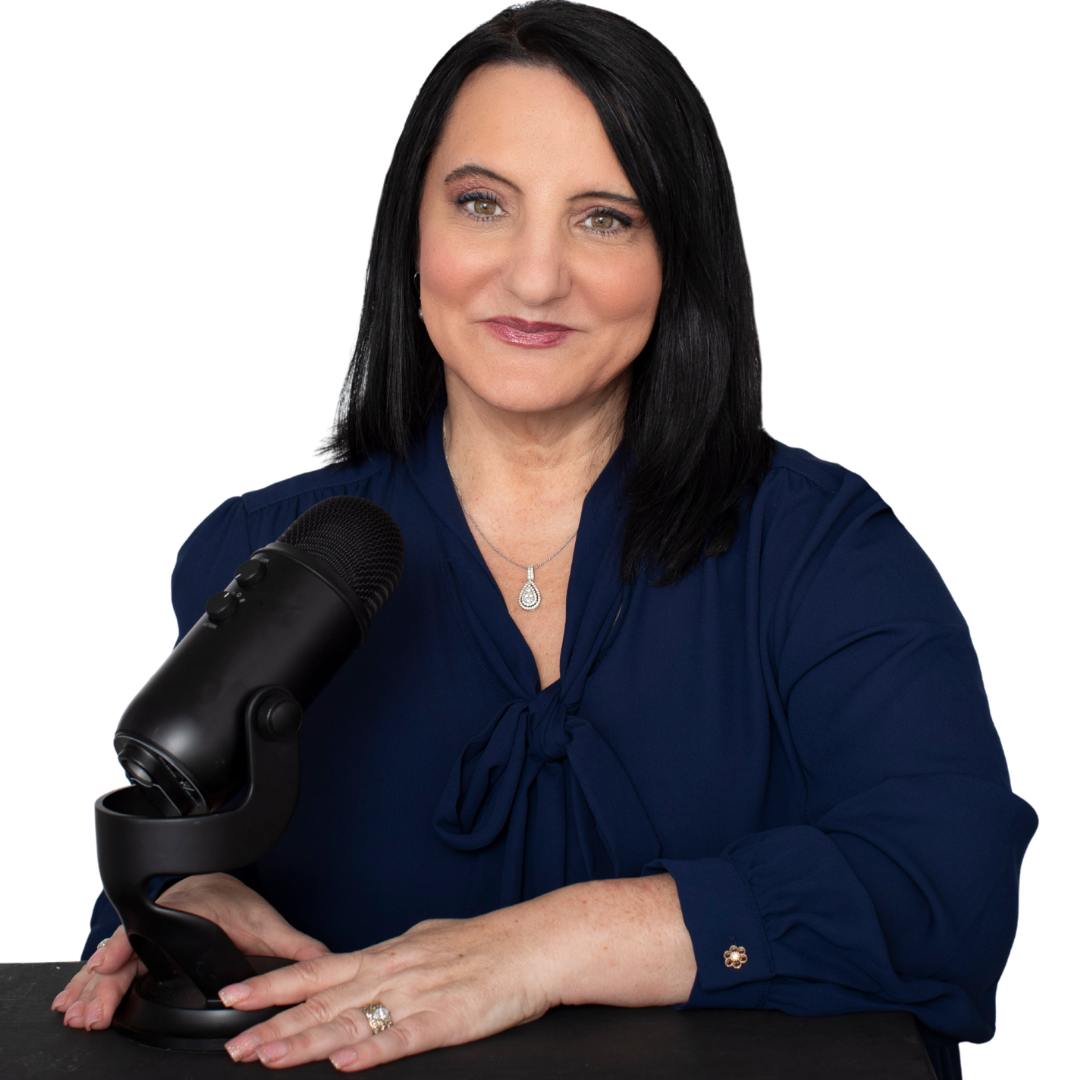
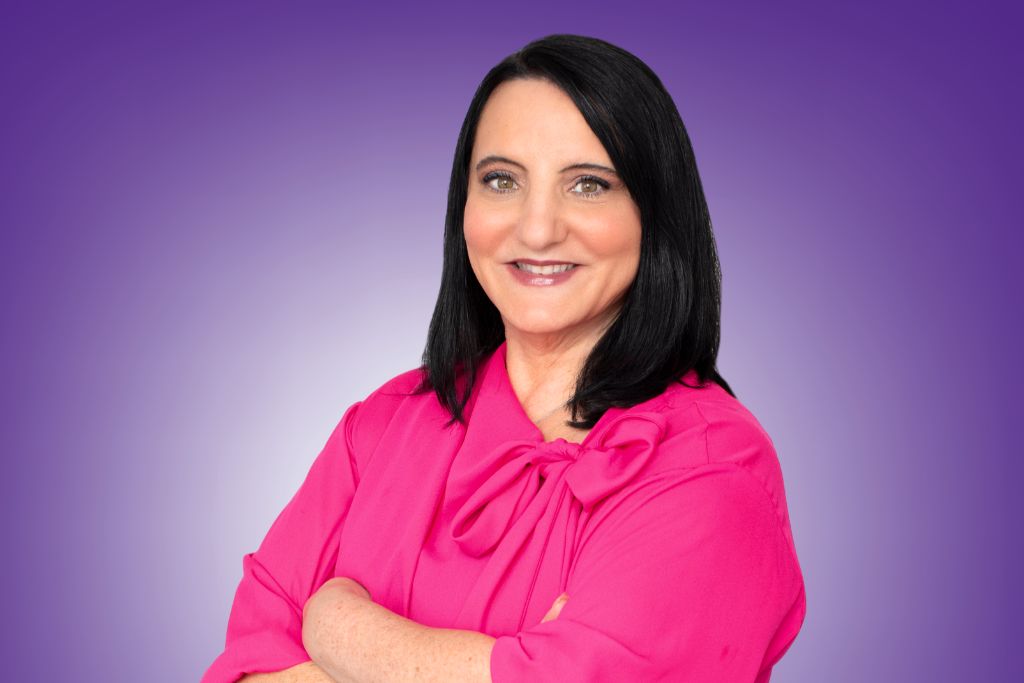
Dr. Roseann Capanna-Hodge is a licensed therapist, certified school psychologist, and leading expert in emotional dysregulation in children. With over 30 years of experience, she helps parents understand the root causes of meltdowns, anxiety, ADHD, and challenging behavior through the lens of nervous system regulation. Dr. Roseann teaches practical, science-backed strategies for co-regulation and how to calm a dysregulated child using her Regulation First Parenting™ approach. She is the host of the Dysregulated Kids Podcast and author of The Dysregulated Kid.
Dr. Roseann Capanna-Hodge
Emotional Dysregulation in Children & Nervous System Expert
Regulation First Parenting™ | CALMS Protocol™
Host of the Dysregulated Kids Podcast (Top 1% Globally)
Author of The Dysregulated Kid