Find Your Solution
In 3 minutes, you’ll know where to start ➤
%20.png)





Estimated Reading Time: 8 Minutes
Every parent wants to protect their child.
We want to prevent pain, avoid disappointment, and make life easier whenever possible. It's a natural instinct.
But when protection becomes overprotection, children miss opportunities to develop the skills they need to handle life's challenges.
This is often referred to as bubble wrap parenting.
Bubble wrap parenting happens when parents remove too many obstacles, solve too many problems, and prevent children from experiencing the discomfort that helps them grow.
In this episode, we discuss how to move away from bubble wrap parenting and help children develop resilience, frustration tolerance, and confidence.
Because the goal isn't to protect children from every challenge.
The goal is to help them learn they can handle challenges successfully.
Bubble wrap parenting occurs when parents try to eliminate stress, discomfort, failure, and frustration from their child's life.
While it comes from a place of love, it can unintentionally create problems.
Children who are overly protected often struggle with:
When children never experience challenges, they don't learn how to navigate them.
Life inevitably includes setbacks.
The more opportunities children have to practice coping with small disappointments, the better prepared they become for bigger challenges later.
Real-Life Example
A child who never has to solve their own problems may struggle significantly when faced with challenges at school, work, or in relationships as they get older.
Many parents want to rescue their children from failure.
But failure is often one of life's greatest teachers.
Children learn important skills when they experience:
Failure teaches children:
The goal isn't to leave children unsupported.
The goal is to support them without removing every obstacle.
As parents, we can be coaches rather than rescuers.
Real-Life Example
A child who forgets a school project learns far more from working through the consequences and creating a plan than from having a parent constantly solve the problem for them.
One of my favorite parenting approaches is autonomous parenting.
Autonomous parenting gives children opportunities to make decisions, solve problems, and develop independence while still providing guidance and support.
Autonomous parenting means:
This doesn't mean children get whatever they want.
It means they are given opportunities to practice making decisions and learning from the outcomes.
The more children participate in solving their own problems, the more capable they become.
Real-Life Example
Instead of immediately providing the solution, a parent might ask, "What do you think would work?" and help the child evaluate their options.
Frustration tolerance is the ability to handle discomfort without becoming overwhelmed.
Children develop frustration tolerance through experience.
They learn it by:
Unfortunately, many children today have fewer opportunities to build these skills because adults often step in too quickly.
Frustration is not the enemy.
Learning how to handle frustration is a critical life skill.
The more children practice managing difficult feelings, the stronger their coping abilities become.
When children are upset, frustrated, or dysregulated, they need support.
But support doesn't mean removing the challenge.
It means helping them navigate it.
This is where co-regulation becomes so important.
Helpful co-regulation strategies include:
As I often say, your calm is the catalyst.
Children borrow regulation from the adults around them.
When parents stay regulated, children are better able to work through challenges without becoming overwhelmed.
Real-Life Example
Instead of yelling when a child becomes frustrated, a parent might calmly acknowledge the feeling and help them identify their next step.
Resilience doesn't develop overnight.
Children need repeated opportunities to practice new skills.
Consistency helps children learn:
Parents often become discouraged when change doesn't happen immediately.
But building resilience is a long-term process.
The key is continuing to reinforce the behaviors and skills you want to strengthen.
Small moments add up over time.
Parenting was never meant to happen in isolation.
Children and parents both benefit from being surrounded by supportive people.
Having a strong community provides:
We all need a tribe.
Children thrive when they have multiple safe, supportive relationships that help them learn, grow, and develop confidence.
Parents do too.
The Regulation Rescue Kit provides practical Regulation First Parenting™ tools that help reduce stress, improve emotional regulation, and create more peace at home. Become a Dysregulation Insider VIP and get your FREE kit: www.drroseann.com/newsletter
🗣️ “Resilience isn't built by avoiding discomfort. It's built by learning you can survive and grow through it.” — Dr. Roseann
The goal of parenting isn't to remove every obstacle from your child's path.
The goal is helping them develop the confidence and skills to navigate obstacles successfully.
When children learn how to tolerate frustration, solve problems, make decisions, and recover from setbacks, they become more resilient and capable.
Protect them when necessary.
Guide them when needed.
But don't underestimate their ability to grow through challenges.
That's where resilience is built.
Bubble wrap parenting occurs when parents overprotect children from discomfort, failure, stress, and challenges, often limiting opportunities for growth and independence.
Failure helps children develop resilience, problem-solving skills, adaptability, confidence, and frustration tolerance.
Autonomous parenting encourages children to make age-appropriate decisions, solve problems, and develop independence while still receiving guidance and support.
Parents can help by allowing children to work through challenges, supporting problem-solving, modeling emotional regulation, and resisting the urge to rescue them immediately.
Resilience helps children cope with setbacks, adapt to challenges, manage stress, and navigate life with greater confidence and emotional strength.
Not sure where to start? Use the Solution Matcher to get personalized recommendations based on your child's emotional and behavioral needs. Start here: www.drroseann.com/help
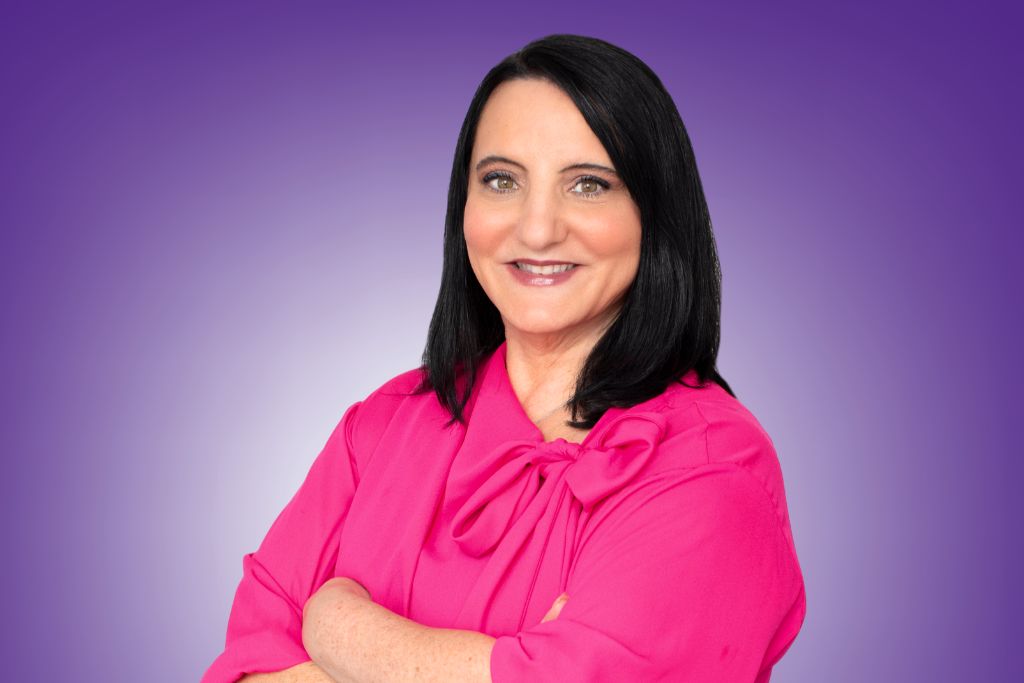
Dr. Roseann Capanna-Hodge is a licensed therapist, certified school psychologist, and leading expert in emotional dysregulation in children. With over 30 years of experience, she helps parents understand the root causes of meltdowns, anxiety, ADHD, autism, learning differences, and challenging behavior through the lens of nervous system regulation. She is the creator of Regulation First Parenting™, host of the Dysregulated Kids Podcast, and author of The Dysregulated Kid.
Dr. Roseann Capanna-Hodge
Emotional Dysregulation in Children & Nervous System Expert
Regulation First Parenting™ | CALMS Protocol™
Host of the Dysregulated Kids Podcast (Top 1% Globally)
Author of The Dysregulated Kid