Find Your Solution
In 3 minutes, you’ll know where to start ➤
%20.png)





]Feeling like you’ve tried everything and your child is still struggling? You’re not alone. When behavior, mood, or learning issues remain a mystery, brain mapping offers the clarity parents desperately need. Here, I’ll explain how QEEG data helps us understand what’s actually happening in a child’s brain, so we can calm the brain first and create a plan that truly works.
When kids are melting down, shutting down, or spinning out, it’s easy to wonder if you’re missing something big. A QEEG brain map shows whether the brain is overactive, underactive, or not communicating well, which helps explain behavior that otherwise feels unpredictable. What a brain map can reveal:
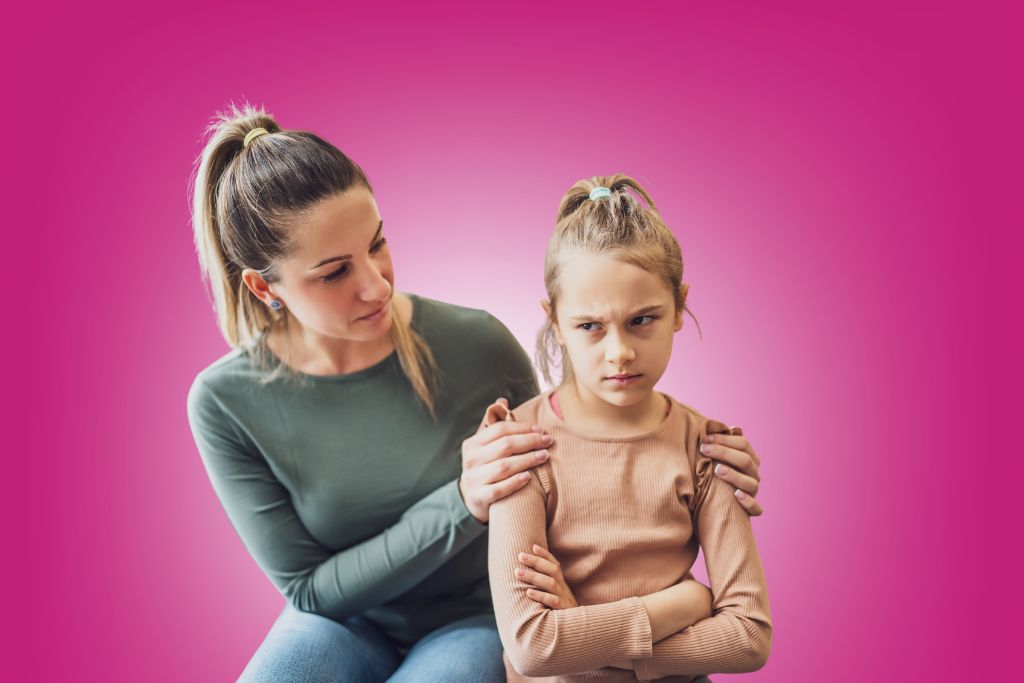
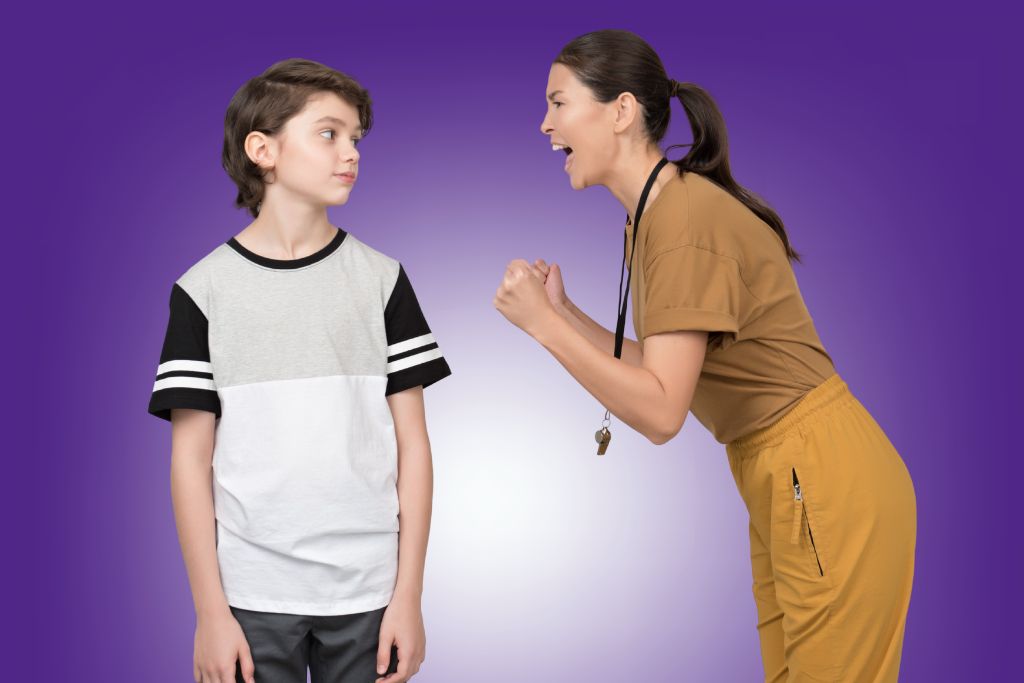
If your child goes from zero to sixty or seems constantly overwhelmed, that’s a sign of a dysregulated nervous system, not bad behavior. A brain map shows which brain networks are stuck in stress mode.What parents learn from QEEG:
Scenario: A child labeled with ADHD + inattention + “not trying” turned out not to have ADHD at all, he was struggling with undiagnosed dyslexia, something the brain map and testing helped uncover quickly. What looked like “can’t focus” was really a brain working twice as hard just to decode words. Once we understood that, we could finally target the real issue—and everything changed.
Parents often fear misdiagnosis, especially after going from specialist to specialist without answers. Brain mapping helps rule in (or out) what’s really there.QEEGs help differentiate:
If you’re tired of walking on eggshells or feeling like nothing works… Get the FREE Regulation Rescue Kit and finally learn what to say and do in the heat of the moment. Become a Dysregulation Insider VIP at www.drroseann.com/newsletter and take the first step to a calmer home.
Data alone isn’t the magic, expert interpretation is. Plans may include:
This is concierge-level care, and families often see meaningful changes in weeks, not years.️
“When we finally see what’s really happening in the brain, the chaos turns into clarity and that’s where healing begins.”— Dr. Roseann
Brain mapping gives parents the missing link, data, not guesswork. When you understand your child’s unique brain patterns, you can stop spinning your wheels and start using tools that actually work. Remember, it’s not bad parenting; it’s a dysregulated brain and there is a clear path forward.
Kids as young as three can complete a QEEG, as long as they can sit with gentle support.
No, but it clarifies what’s driving symptoms, helping avoid misdiagnosis and unnecessary treatment.
Not at all. It’s a simple cap that measures electrical activity, no needles, no discomfort.
Feel like you’ve tried everything and still don’t have answers?The Solution Matcher helps you find the best starting point based on your child’s symptoms, behaviors, and history.It’s fast, free, and based on decades of clinical expertise.Get your personalized plan now at www.drroseann.com/help
Dr. Roseann Capanna-Hodge is a licensed therapist, certified school psychologist, and leading expert in emotional dysregulation in children. With over 30 years of experience, she helps parents understand the root causes of meltdowns, anxiety, ADHD, and challenging behavior through the lens of nervous system regulation. Dr. Roseann teaches practical, science-backed strategies for co-regulation and how to calm a dysregulated child using her Regulation First Parenting™ approach. She is the host of the Dysregulated Kids Podcast and author of The Dysregulated Kid.
Dr. Roseann Capanna-Hodge
Emotional Dysregulation in Children & Nervous System Expert
Regulation First Parenting™ | CALMS Protocol™
Host of the Dysregulated Kids Podcast (Top 1% Globally)
Author of The Dysregulated Kid