Find Your Solution
In 3 minutes, you’ll know where to start ➤
%20.png)





Estimated Reading Time: 5 minutes
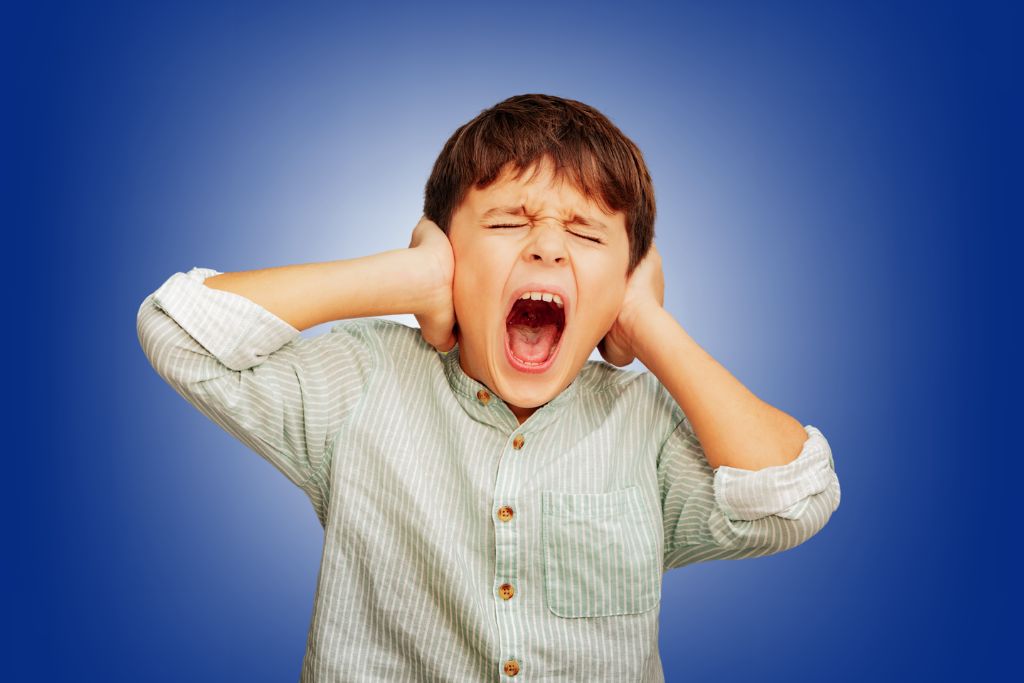
If your child melts down as soon as they get home from school, it can feel like a mystery and like you’re doing something wrong. You’re not alone. Behavior is communication, and for many children, home is the safest place to release the stress and overwhelm they’ve carried all day.
In this episode, I explain why your child only has meltdowns at home, how sensory, social, and emotional stressors fuel these behaviors, and practical ways to calm the nervous system so connection and learning can follow.
Children often mask frustration, anxiety, or sensory overload during school. By the time they arrive home, their nervous system has reached capacity. Even small requests or transitions can trigger meltdowns.
What helps:
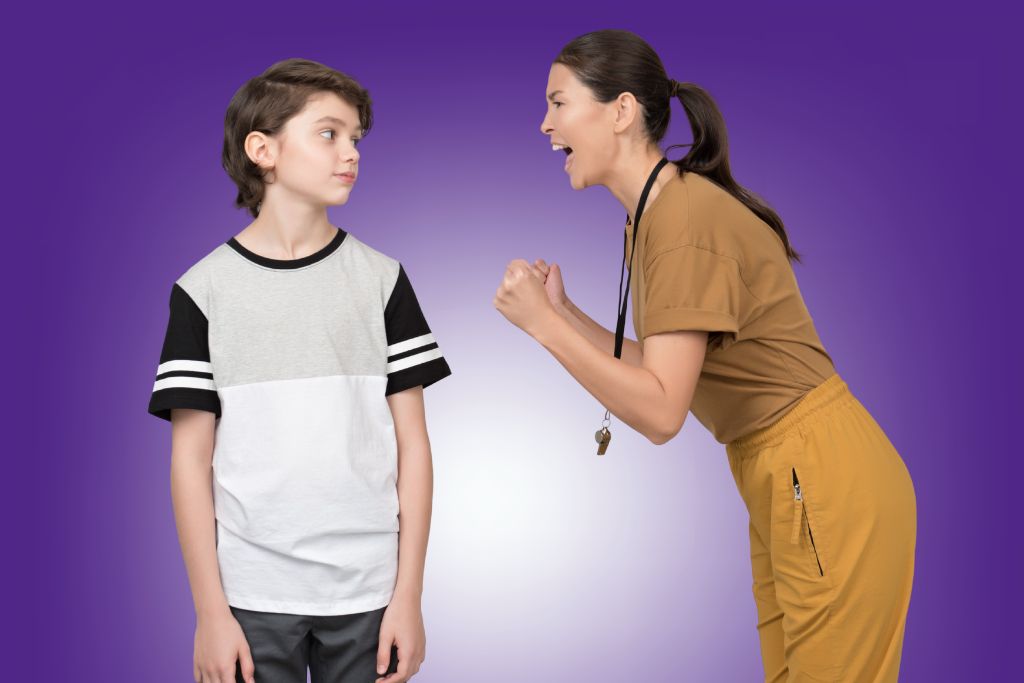
Parent Story: After school, a 3rd grader yells over a spilled drink. By pausing, offering a snack, and taking a short walk together, the meltdown resolves quickly.
School environments are full of stimuli: bright lights, noise, crowded classrooms, and sensory chaos. Even neurotypical kids can become overwhelmed, but neurodivergent children are especially sensitive.
Strategies for home decompression:
Become a Dysregulation Insider VIP and get your FREE Regulation Rescue Kit: How to Stay Calm When Your Child Pushes Your Buttons and Stop Oppositional Behaviors.
Head to www.drroseann.com/newsletter and start your calm parenting journey today.
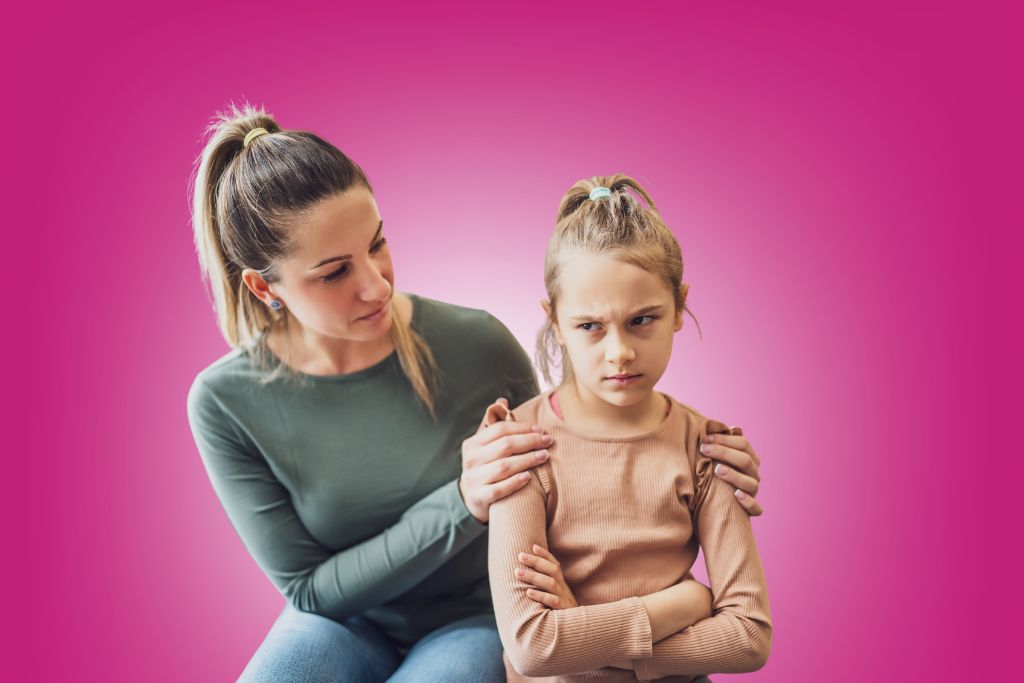
Social challenges at school, friendship conflicts, exclusion, or online drama can accumulate. When children return home, the brain finally feels safe enough to release the pent-up stress.
Co-regulation strategies:
Parent Scenario: A child has an online argument with peers. Sitting together and walking while breathing helps them regulate before discussing solutions.
🗣️ “Home is the safe place where kids finally stop masking—so the feelings they held in all day pour out. Start by calming the brain, then connect, and only then correct.”
— Dr. Roseann
Creating a predictable routine reduces overwhelm and improves executive function.
3-Step Reset Example:
Tip: Small, consistent routines calm the nervous system and make regulation easier.
Collaboration with teachers is critical if meltdowns are frequent or severe.
Actionable steps:
Your nervous system sets the tone for your child’s. Co-regulation works when parents model calm first.
Tips:
Small tools can make a big difference:
These supports help children feel safe and reduce the intensity of after-school meltdowns.
Behavior coaching is more effective after calm is restored.
Tips:
.png)
Start with 15–30 minutes of movement, snack, and quiet time. Treat it like a daily appointment.
Wait until they’re calm. Lead with connection, then ask one open-ended question later.
No. It’s a dysregulated nervous system seeking safety. Calm first; skills come next.
Track patterns and triggers. Use the same decompression routines consistently.
Absolutely. Weighted blankets, deep pressure, or quiet sensory spaces help regulate the nervous system.
Every child’s journey is different. That’s why cookie-cutter solutions don’t work.
Take the free Solution Matcher Quiz and get a customized path—no guessing, just clear next steps.Start today at www.drroseann.com/help
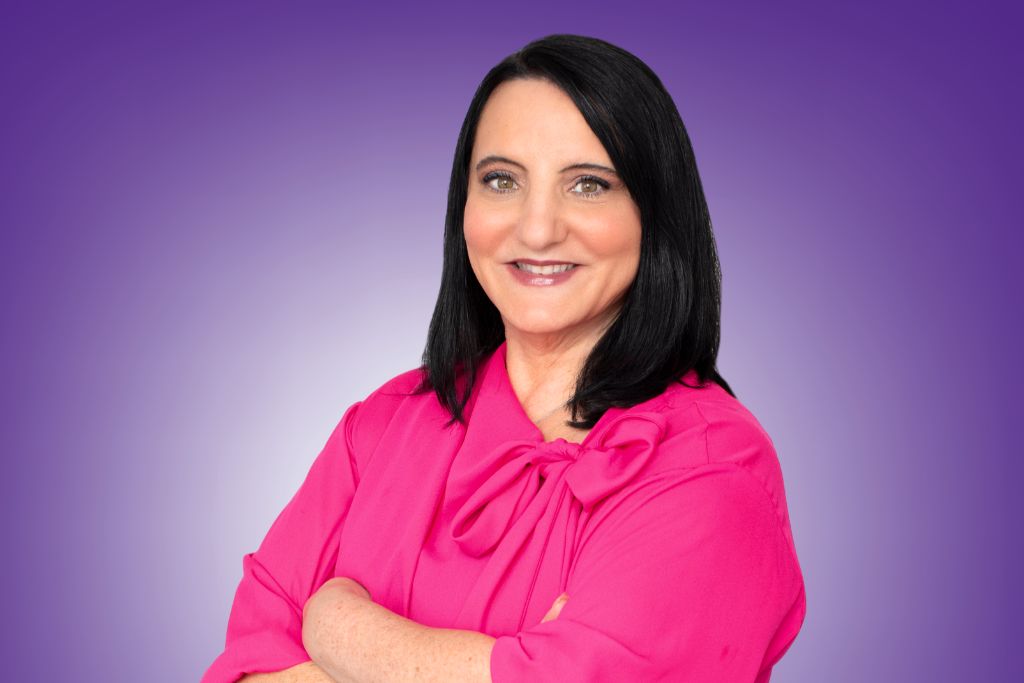
Dr. Roseann Capanna-Hodge is a licensed therapist, certified school psychologist, and leading expert in emotional dysregulation in children. With over 30 years of experience, she helps parents understand the root causes of meltdowns, anxiety, ADHD, and challenging behavior through the lens of nervous system regulation. Dr. Roseann teaches practical, science-backed strategies for co-regulation and how to calm a dysregulated child using her Regulation First Parenting™ approach. She is the host of the Dysregulated Kids Podcast and author of The Dysregulated Kid.
Dr. Roseann Capanna-Hodge
Emotional Dysregulation in Children & Nervous System Expert
Regulation First Parenting™ | CALMS Protocol™
Host of the Dysregulated Kids Podcast (Top 1% Globally)
Author of The Dysregulated Kid