Logo

Find Your Solution

In 3 minutes, you’ll know where to start ➤

Join the Dysregulation Insider get free calm parenting tips straight to your inbox!

YES, I'M IN!

93: Coping Skills for Kids with ADHD, SPD, Anxiety and Mood Issues

July 10, 2023
Discover the brain-based coping skills for kids with ADHD that turn daily meltdowns into real resilience. In this episode, I walk you through the Regulation First Parenting™ tools I’ve used for decades to help emotionally dysregulated kids feel safe, capable, and calm.
parent-child communication - available on apple podcastsCastbox logo, featuring a sleek and modern design with the name 'Castbox' in bold lettering, representing the popular podcast platform known for streaming and discovering podcasts.Spotify logo featuring a green circle with three curved black lines representing sound waves, symbolizing the popular music and podcast streaming platform.Amazon Music logo featuring the word 'Amazon' with the signature smile arrow and 'Music' in bold text, representing the digital music streaming service by Amazon.
<iframe style="border-radius: 12px;" src="https://open.spotify.com/embed/episode/3cGfbtIOfo9SzltUN7Fkvt?utm_source=generator&amp;theme=0" width="100%" height="152" frameborder="0" allowfullscreen="allowfullscreen"></iframe>

Estimated reading time: 6 min

When you’re raising a child with ADHD, SPD, anxiety, OCD, or mood issues, coping skills aren’t optional—they’re essential for preventing a meltdown before it starts. Parents often tell me their child falls apart at the smallest stressor, and nothing seems to stick. That’s because coping skills only take hold once we address the underlying nervous system dysregulation.

In this episode, I share why coping skills matter, how the brain actually learns them, and why repetition—not force—is what creates real change. As I always remind parents, “Your child isn’t doing this on purpose—every brain is capable of learning coping skills; some just need more patience and practice.”

How do I teach coping skills when my ADHD child melts down over everything?

Kids with ADHD shift into fight-or-flight fast, which means they can’t access problem-solving until their nervous system settles. That’s why modeling is your greatest tool.

Start with:

  • Co-regulation: your calm nervous system leads theirs
  • Narration: “I’m taking a breath so I can think clearly”
  • Small steps: micro-tasks that feel achievable

Why does my child need so much repetition before coping skills stick?

Because dysregulated and neurodivergent brains learn differently. A typical brain needs about 34 repetitions to learn something at an automatic level—our kids often need three times that.

It’s not stubbornness. It’s neurology.

Keep in mind:

  • Consistency > intensity
  • Predictability builds safety
  • Repetition wires the brain for resilience

🗣️ “Your child isn’t doing this on purpose—every brain is capable of learning coping skills; some just need more patience and practice.” — Dr. Roseann

What coping skills actually help kids with ADHD, SPD, anxiety, and mood issues?

Forget complicated charts or scripts. Coping skills work when they regulate the body first.

Brain-calming strategies:

  • Movement breaks (heavy work, wall pushes)
  • Breathing techniques (box breathing, 4–7–8 breath)
  • Sensory supports (weighted lap pads, chewies, fidgets)
  • Visual schedules to ease transitions

How do I support my child without Bubble-Wrapping them?

We want to build resilience, not remove every stressor. But we also don’t throw our kids into overwhelming situations without tools.

Aim for balanced support:

  • Scaffolding: “I’ll help the first part; you finish the next.”
  • Right-sized challenges: enough to stretch them, not break them
  • Praise effort: build competence and confidence

Guided challenge is what grows grit—especially in dysregulated kids.

Where do I even start when my child is extremely dysregulated?

With you. Coping skills grow in the soil of a regulated parent. Kids don’t learn from what we say—they learn from the nervous system we bring into the room.

Focus on:

  • Metacognition: say the quiet part out loud
  • Self-regulation: modeling calm responses
  • Co-regulation: “My calm helps your calm”

Once your nervous system is steady, your child can borrow your calm until they build their own.

You don’t have to figure this out alone. Become a Dysregulation Insider VIP and get your FREE Regulation Rescue Kit: How to Stay Calm When Your Child Pushes Your Buttons and Stop Oppositional Behaviors. Head to www.drroseann.com/newsletter and start your calm parenting journey today.

Takeaway & What’s Next

Coping skills aren’t built overnight; they grow through repetition, modeling, and a calm nervous system. Your child can learn these tools, and you can guide them with clarity and compassion. For deeper support, listen to Parenting Tips for Raising a Child with ADHD and Neurodivergence to understand how to parent from a regulation-first approach.

FAQs

Why does my child shut down instead of coping?

Shutdown is a sign of a dysregulated nervous system. Break tasks into tiny steps and practice coping skills during calm times.

What’s the best coping skill for sensory kids?

Heavy work is incredibly regulating and helps reduce overwhelm quickly.

How long until coping skills become automatic?

Expect at least triple the repetitions of a neurotypical learner. Repetition creates regulation.

What do I do if my child refuses coping strategies?

Never teach during a meltdown. Introduce skills when calm, model often, and invite—not force—participation.

Not sure where to start? Take the guesswork out of helping your child.
Use my free Solution Matcher to get a personalized plan for your child’s needs. Start here: www.drroseann.com/help

Find this helpful? Leave us a review!

If you found yourself nodding along while listening, take a moment to follow and leave a quick review on Apple Podcasts.
Your feedback helps more overwhelmed parents find calm, clarity, and the proven tools that make everyday life easier.

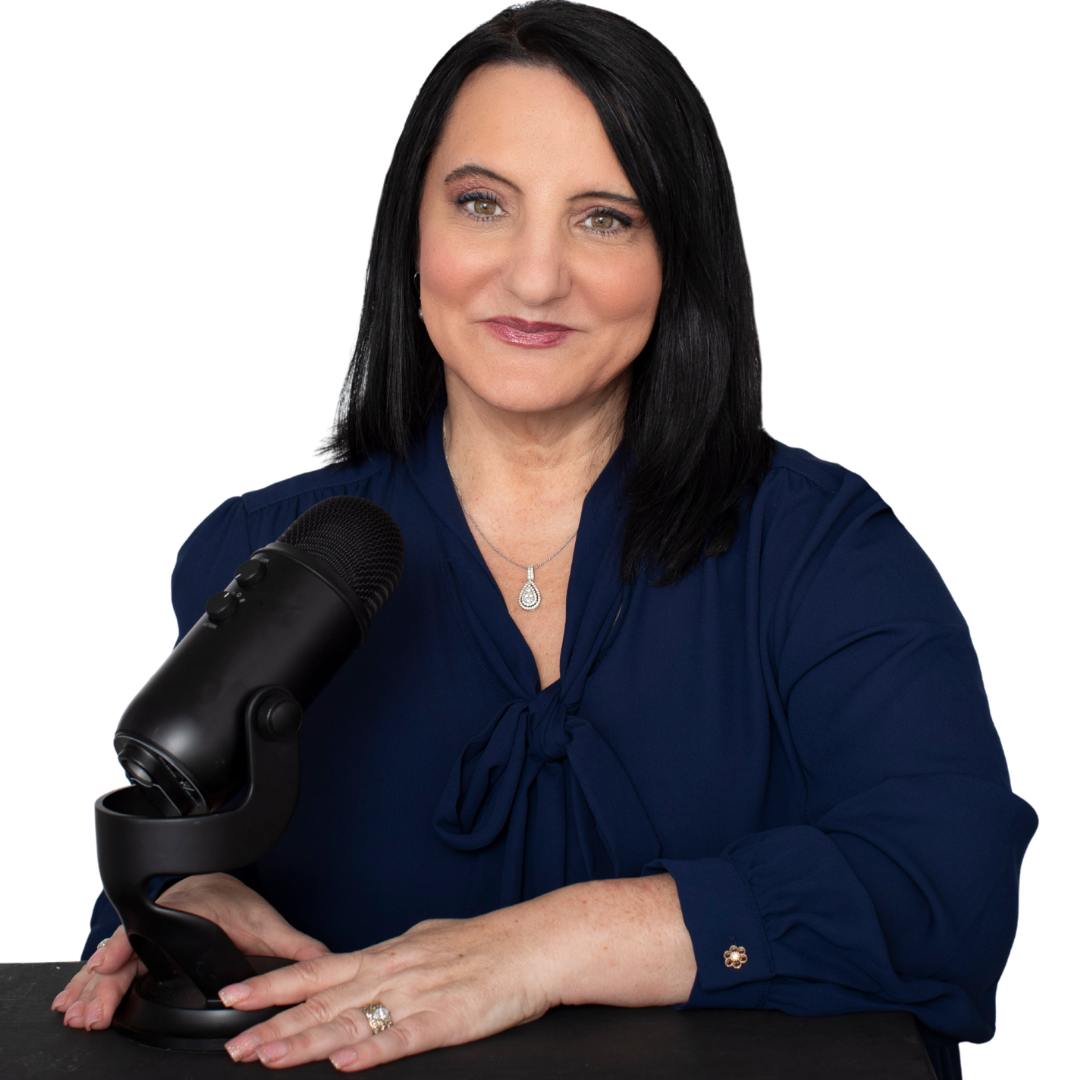
Dr. Roseann Capanna-Hodge: Revolutionizing Children’s Mental Health

Dr. Roseann Capanna-Hodge’s podcast, It’s Gonna be OK!™: Science-Backed Solutions for Children’s Behavior and Mental Health, is in the top 2% globally. The podcast empowers parents with natural, science-backed solutions to improve children’s self-regulation and calm their brains. Each episode delivers expert advice and practical strategies, making it indispensable for parents of neurodivergent children or those with behavioral or mental health challenges.

Dr. Roseann, founder of The Global Institute of Children’s Mental Health and Dr. Roseann, LLC, created the Neurotastic™ Brain Formulas and BrainBehaviorReset® method. With her extensive experience, she provides families with hope and effective strategies to manage conditions like ADHD, anxiety, OCD, and PANS/PANDAS.

Forbes has called her “A thought leader in children’s mental health,” highlighting her revolutionary impact on mental health education and treatment. Through her podcast and innovative methods, Dr. Roseann continues to transform how we approach, treat and understand children’s mental health.
Website-Photos-Update-2

More Podcast Episodes: