Find Your Solution
In 3 minutes, you’ll know where to start ➤
%20.png)





Estimated Reading Time: 5 minutes
When your child melts down over something small, it can leave you feeling overwhelmed, frustrated, and unsure of what to do next. If you've ever wondered what is emotional dysregulation, you're not alone. Emotional dysregulation is one of the most common reasons children struggle with behavior, big emotions, and daily stress.
The good news? Your child isn't broken, and you're not failing. Their nervous system is stuck in survival mode, and with the right support, they can learn healthier ways to cope. In this episode, we're unpacking what emotional dysregulation is, why it happens, and how calming the brain first helps your child regain emotional balance.
Emotional dysregulation is more than having big feelings.
It is the inability to return to a calm, regulated state after experiencing stress, frustration, disappointment, or overwhelm.
A child with emotional dysregulation may:
These children are not dramatic, manipulative, or attention-seeking.
Their nervous systems are interpreting non-threatening situations as danger.
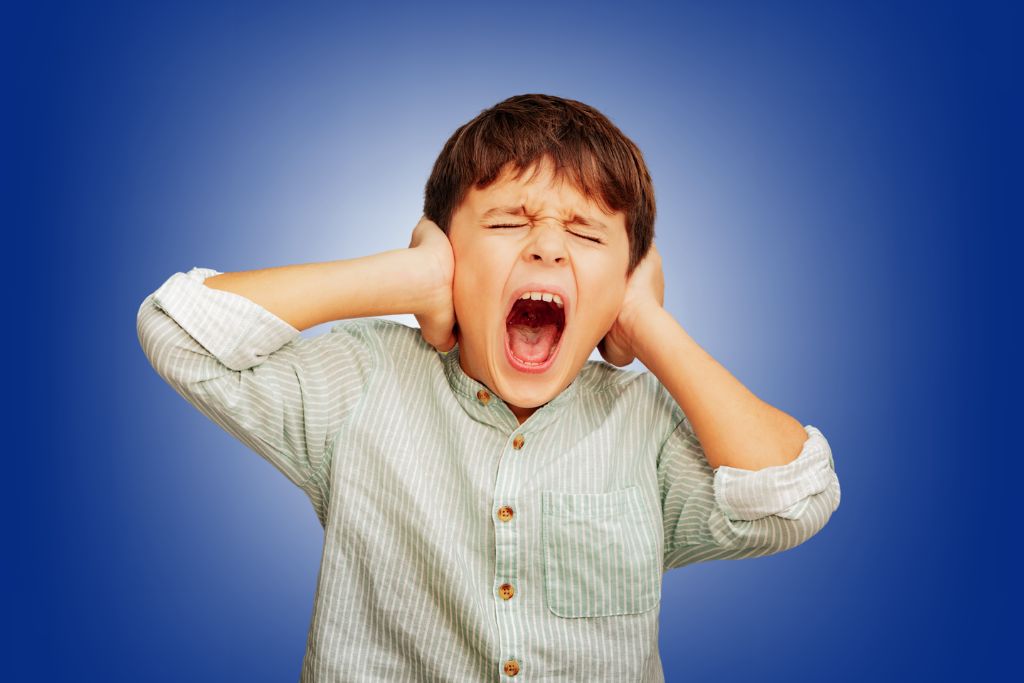
Your child spills a cup of milk and immediately bursts into tears.
The spilled milk isn't really the problem.
Their nervous system was already overloaded, and that small event became the tipping point.
Understanding what is emotional dysregulation helps parents respond with compassion instead of frustration.
Every child has tantrums.
A typical tantrum is usually:
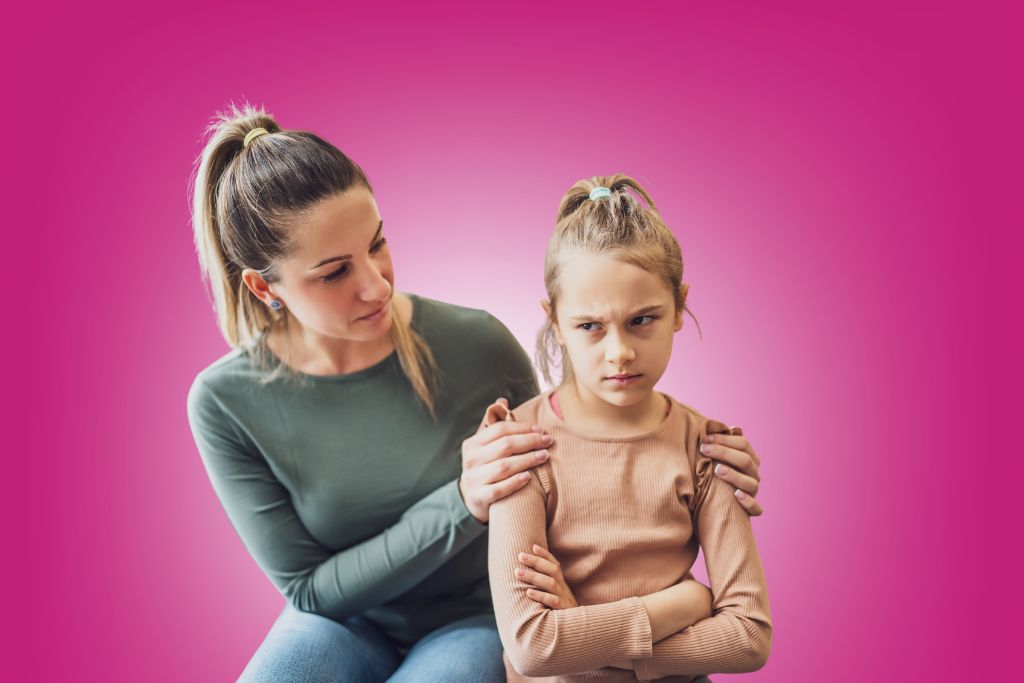
Emotional dysregulation looks different.
Signs of dysregulation include:
If your child's response consistently feels much bigger than the situation itself, the nervous system is likely the real issue.
This is especially common in a dysregulated child whose brain struggles to move out of survival mode.
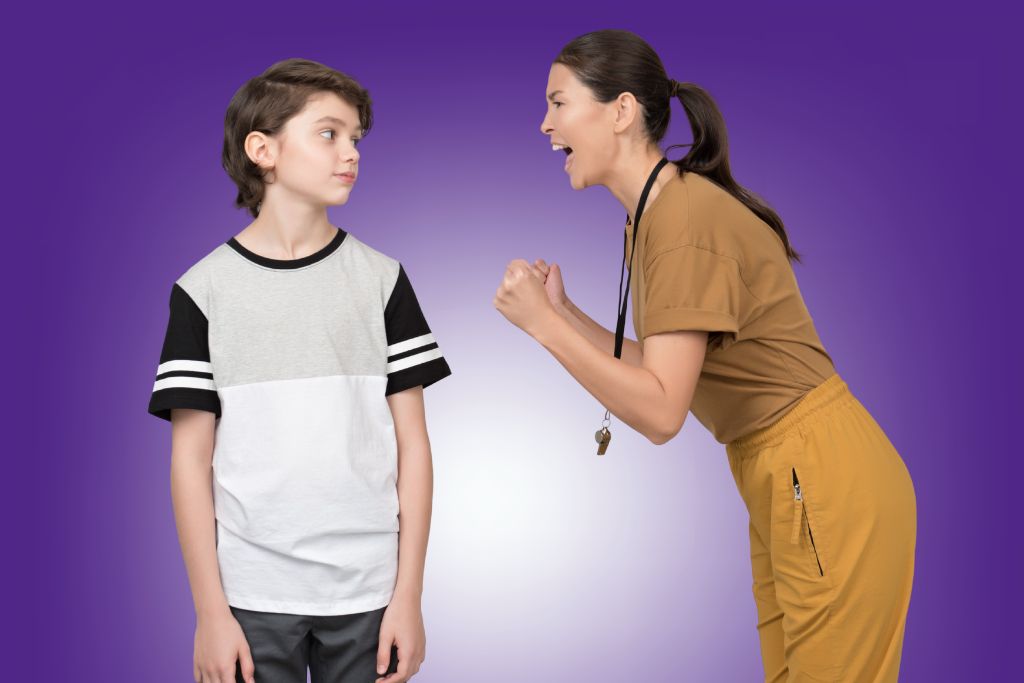
Traditional discipline often focuses on correcting behavior.
The problem is that a dysregulated brain can't learn effectively.
When children are overwhelmed:
That's why Regulation First Parenting™ focuses on calming the brain before correcting behavior.
Helpful regulation techniques for kids include:
Your child begins screaming because it's time to stop playing and start homework.
Instead of lecturing or threatening consequences:
Once calm returns, teaching becomes possible.
These moments are opportunities to strengthen self-regulation skills for children rather than escalate conflict.
If you're tired of walking on eggshells or feeling like nothing works, get the FREE Regulation Rescue Kit and finally learn what to say and do in the heat of the moment.
Become a Dysregulation Insider VIP at www.drroseann.com/newsletter and take the first step toward a calmer home.
Emotional dysregulation affects far more than occasional meltdowns.
It often impacts every area of a child's life.
Common challenges include:
A dysregulated child often spends much of the day trying to manage overwhelming feelings and stress.
Look for patterns such as:
These are signs the nervous system may need additional support.
Children are not born knowing how to regulate emotions.
They develop regulation through repeated experiences of co-regulation with trusted adults.
Parents can help build self-regulation skills for children by:
Helpful regulation techniques for kids include:
Over time, these experiences teach the brain how to return to a regulated state more efficiently.
🗣️ “They’re not trying to be difficult. Their brain is in survival mode and can’t access logic or self-control.” — Dr. Roseann
Emotional dysregulation does not mean your child is broken.
It means their nervous system needs support.
When we understand what is emotional dysregulation, we stop viewing behavior as a discipline problem and start addressing the real issue: a stressed and overwhelmed brain.
Remember:
You are not alone, and there are science-backed tools that can help.

Not always. ADHD, anxiety, OCD, autism, and other conditions can contribute to dysregulation, but emotional dysregulation itself is a nervous system issue rather than a diagnosis.
Yes. With consistent co-regulation, supportive routines, and effective regulation techniques for kids, children can learn to access calm more quickly and build stronger coping skills.
Not when a child is actively dysregulated. Teaching and consequences are most effective after the nervous system has returned to a calm state.
Connection, co-regulation, reduced stimulation, and nervous system support are often the most effective first steps.
Children learn regulation through repeated experiences with calm, supportive adults. Over time, co-regulation becomes self-regulation.
When your child is struggling, time matters.Don’t wait and wonder—use the Solution Matcher to get clear next steps based on what’s actually going on with your child’s brain and behavior.Take the quiz at www.drroseann.com/help
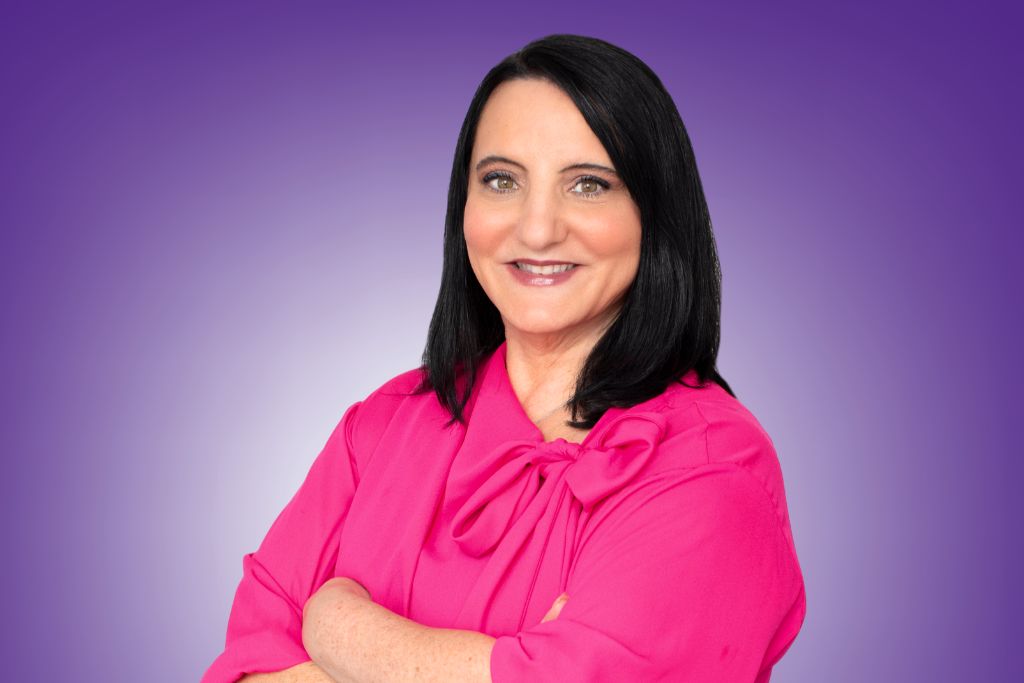
Dr. Roseann Capanna-Hodge is a licensed therapist, certified school psychologist, and leading expert in emotional dysregulation in children. With over 30 years of experience, she helps parents understand the root causes of meltdowns, anxiety, ADHD, and challenging behavior through the lens of nervous system regulation. Dr. Roseann teaches practical, science-backed strategies for co-regulation and how to calm a dysregulated child using her Regulation First Parenting™ approach. She is the host of the Dysregulated Kids Podcast and author of The Dysregulated Kid.
Dr. Roseann Capanna-Hodge
Emotional Dysregulation in Children & Nervous System Expert
Regulation First Parenting™ | CALMS Protocol™
Host of the Dysregulated Kids Podcast (Top 1% Globally)
Author of The Dysregulated Kid