Find Your Solution
In 3 minutes, you’ll know where to start ➤
%20.png)





Estimated Reading Time: 6 minutes
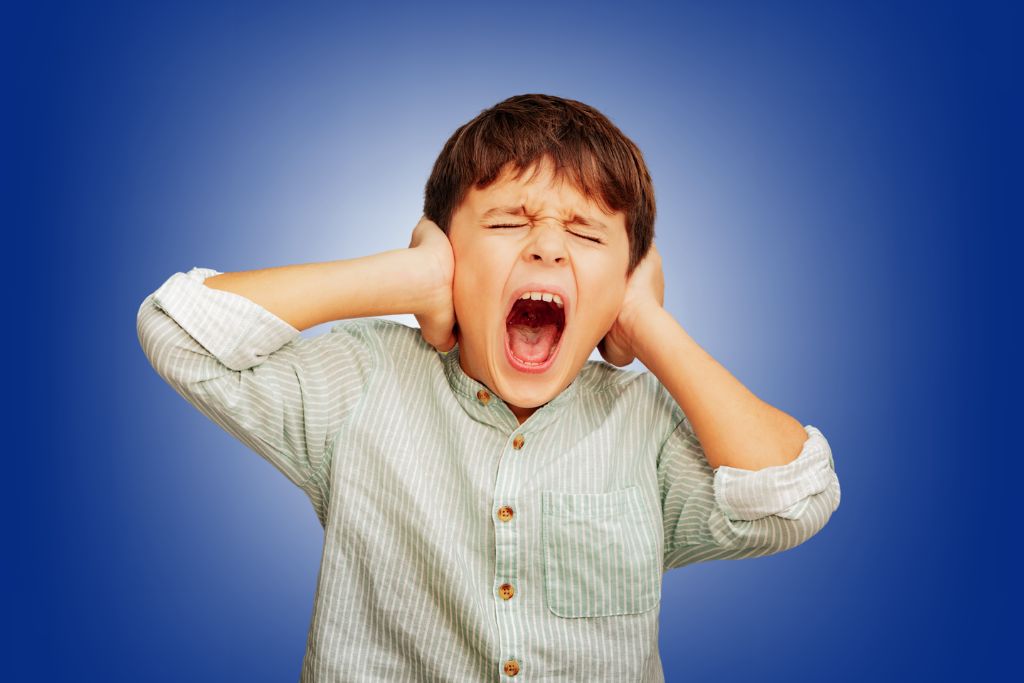
If your child melts down over the smallest correction or seems crushed by perceived criticism, you’re not imagining it and you’re not failing. Emotional outbursts, withdrawal, and explosive behavior are often signs of ADHD and RSD combined with a dysregulated child nervous system. In this episode, I explain how to calm your child’s brain first, start co-regulation, build predictable coping strategies, and support long-term emotional regulation.
RSD is not “being dramatic.” It’s when real or perceived criticism triggers intense emotional reactions. Many children with ADHD experience RSD, which can show up as:
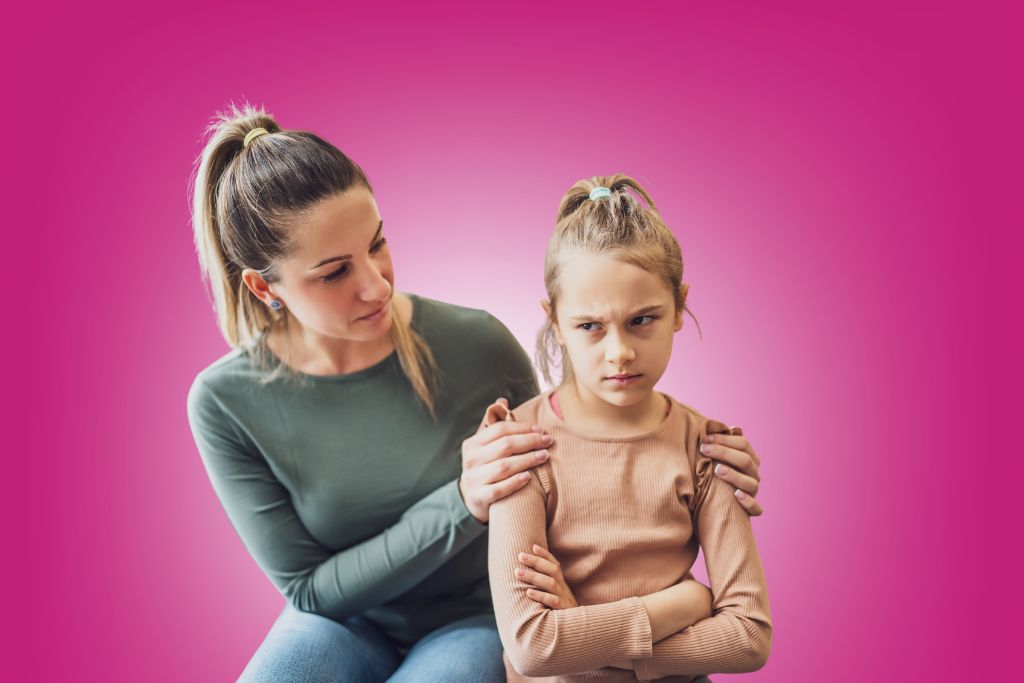
Parent story: One mom shared her child’s meltdown after being told, “Clean up your desk.” Understanding RSD helped her respond with empathy rather than frustration.
Takeaway: Behavior is communication. RSD reflects a dysregulated nervous system, not defiance.
When a child’s nervous system is dysregulated, even minor feedback feels overwhelming. Executive functioning is affected, and the brain can’t “zoom out” to see the bigger picture.
What helps:
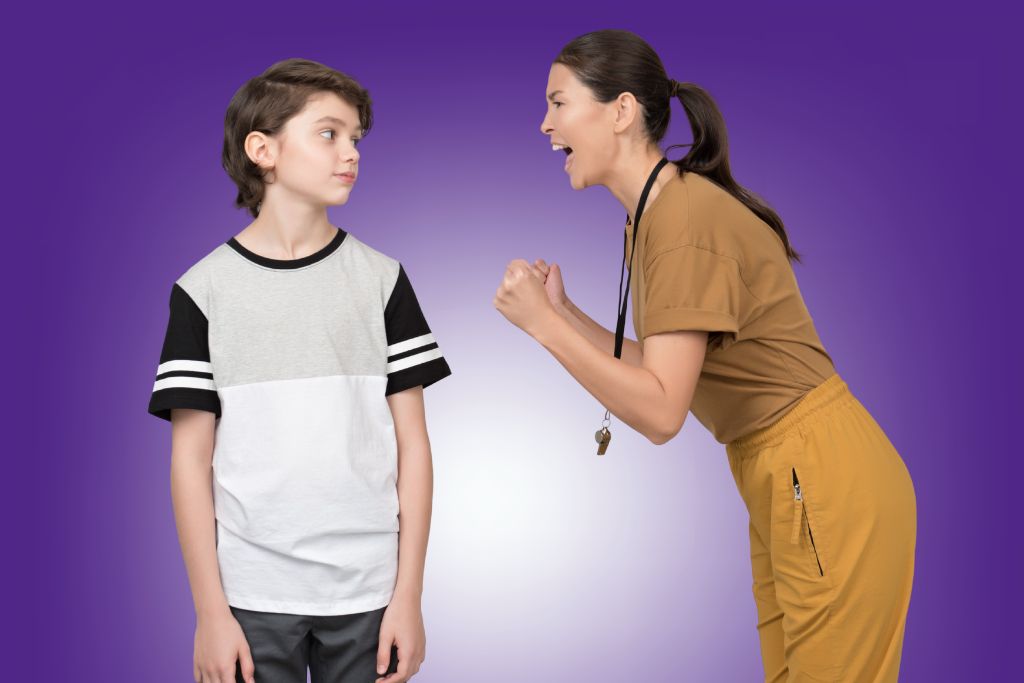
Real-life example: A simple “Please unload the dishwasher” led to yelling until the parent applied co-regulation techniques.
Regulation First Parenting™ changes everything. Your calm nervous system becomes a template for your child’s brain.
Strategies:
Tip: Your calm is contagious; modeling regulation teaches your child emotional self-control.
Prevention beats reaction. Build routines and micro-skills that reduce RSD-triggered meltdowns:
Parent story: A child practiced “Feel → Breathe → Plan” during a conflict at school. Within a week, emotional reactivity decreased.
Many children with ADHD and RSD are deficient in magnesium, which is crucial for GABA function, calming the nervous system, and supporting focus.
Benefits:
Dr. Roseann: “Magnesium helps regulate the nervous system so the brain can actually access focus, calm, and problem-solving.”
When a child is dysregulated, the prefrontal cortex is offline. Logic or correction adds fuel.
What to do instead:
Real-life example: A child screamed about losing screen time. By co-regulating first and offering a timer choice, the meltdown ended with minimal escalation.
Your nervous system sets the tone. If you’re reactive, the child mirrors that stress.
Tips:
Parent story: A mother who used daily 10-minute breathing breaks noticed her child’s emotional outbursts decreased significantly.
RSD in ADHD isn’t laziness, it’s a dysregulated nervous system. Calm the brain first, model emotional regulation, and teach coping skills in micro-steps. Over time, the brain learns new patterns, and children gain confidence, focus, and resilience.
For more strategies, listen to Emotional Dysregulation in ADHD and download the Regulation Rescue Kit to support daily challenges.

RSD triggers intense emotional reactions to perceived criticism or minor corrections. Look for consistent overreactions, shutdowns, or withdrawal.
Their nervous system perceives feedback as a threat, activating fight, flight, or freeze responses.
Yes. Calming the brain with co-regulation, routines, magnesium, and structured coping skills builds emotional resilience.
Use short, calm phrases, wait for regulation, and reinforce micro-wins instead of lecturing.
Absolutely. Predictable routines and structured transitions reduce anticipatory anxiety and prevent meltdowns.
Not sure where to start? Take the guesswork out of helping your child.
Use our free Solution Matcher to get a personalized plan based on your child’s unique needs—whether it’s ADHD, anxiety, mood issues, or emotional dysregulation.
In just a few minutes, you'll know exactly what support is right for your family.
Start here: www.drroseann.com/help
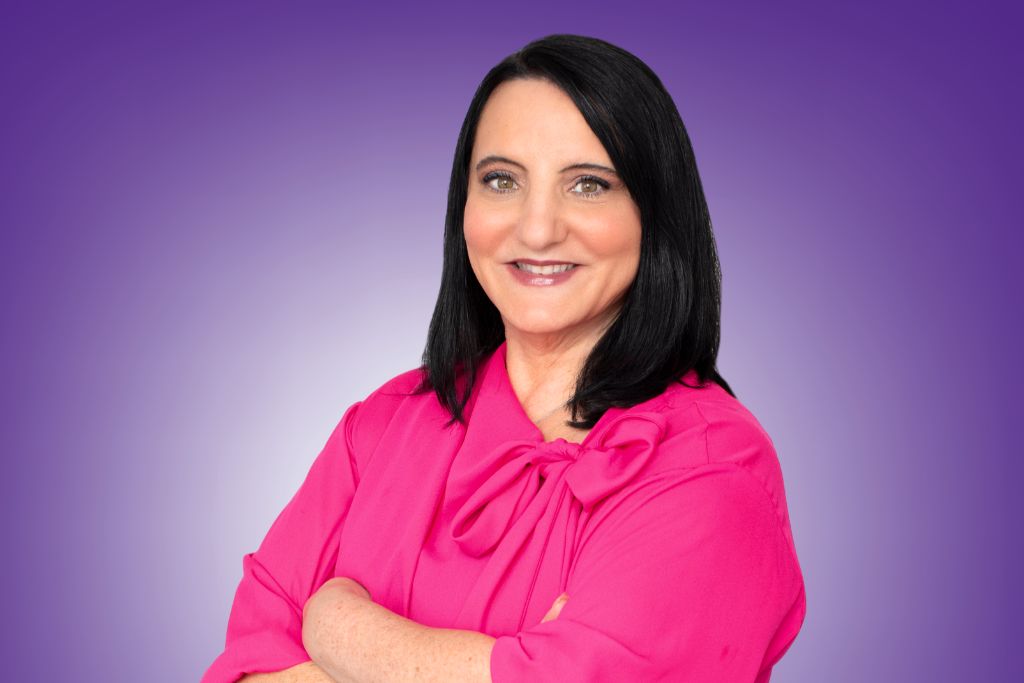
Dr. Roseann Capanna-Hodge is a licensed therapist, certified school psychologist, and leading expert in emotional dysregulation in children. With over 30 years of experience, she helps parents understand the root causes of meltdowns, anxiety, ADHD, and challenging behavior through the lens of nervous system regulation. Dr. Roseann teaches practical, science-backed strategies for co-regulation and how to calm a dysregulated child using her Regulation First Parenting™ approach. She is the host of the Dysregulated Kids Podcast and author of The Dysregulated Kid.
Dr. Roseann Capanna-Hodge
Emotional Dysregulation in Children & Nervous System Expert
Regulation First Parenting™ | CALMS Protocol™
Host of the Dysregulated Kids Podcast (Top 1% Globally)
Author of The Dysregulated Kid