Find Your Solution
In 3 minutes, you’ll know where to start ➤
%20.png)





Estimated Reading Time: 6 minutes
If your child suddenly avoids everyday tasks, becomes anxious, or reacts intensely to minor requests, you’re not imagining it. Pathological Demand Avoidance (PDA) is often misunderstood, and parents can feel lost navigating social, academic, and emotional challenges.
In this episode, I break down what PDA is, how it differs from autism, and practical ways to support your child’s emotional and nervous system regulation.
PDA is characterized by extreme resistance to everyday demands, anxiety-driven behaviors, and a need for control. While it often overlaps with Autism Spectrum Disorder (ASD), PDA has distinct features that make standard interventions less effective.
Key points:
Parent insight: Understanding PDA helps parents stop seeing the behavior as manipulation and start seeing it as communication from a dysregulated child.
While ASD involves social difficulties and rigid routines, PDA is marked by emotional dysregulation in children and extreme avoidance.
Distinguishing traits:
Parent story: One child with PDA would create elaborate distractions to avoid chores. Recognizing the anxiety behind the behavior allowed the family to approach it differently.
Become a Dysregulation Insider VIP and get the FREE Regulation Rescue Kit, your step-by-step guide to stop oppositional behaviors without yelling or giving in.
Go to www.drroseann.com/newsletter and grab your kit today.
Children with PDA may struggle to participate in group work, complete homework, or comply with classroom routines.
Behavioral manifestations:
Takeaway: These behaviors are not willful defiance, they are signs of a dysregulated nervous system.
Anxiety is central to PDA. When children feel a lack of control, their nervous system reacts strongly.
Common reactions:
Parent tip: Addressing anxiety through predictable routines, sensory supports, and calm modeling improves outcomes.
🗣️ “Children with PDA aren’t refusing for attention, they’re navigating a brain that feels unsafe. Calm the nervous system first, and everything else becomes possible.” — Dr. Roseann
Tailored interventions are essential because standard approaches like Applied Behavior Analysis may be less effective.
Supports that help:
Parent story: A child’s bedtime tantrums decreased significantly after predictable routines and brief movement breaks were implemented.
Children learn regulation by observing caregivers. Regulation First Parenting™ is essential in PDA.
Strategies:
Takeaway: Your calm becomes their calm, reinforcing nervous system regulation in children.
Structured routines reduce anxiety and help children feel in control, which is crucial for managing emotional dysregulation in children.
Practical steps:
Parent story: One family found that adding a simple visual schedule for morning tasks reduced morning tantrums and improved cooperation without confrontation.
Takeaway: Predictable routines help a dysregulated child anticipate what’s next and lower the intensity of PDA-driven behaviors.
Children with PDA often need a coordinated approach across home and school to succeed. Supporting them in multiple environments reinforces regulation and coping skills.
How parents and educators can work together:
Parent example: A child who previously refused group activities began participating when home and school routines aligned, and staff used the same calm, predictable cues.
PDA is complex, but understanding its anxiety-driven, demand-avoidant behaviors changes how parents respond. Calm the brain first, provide consistent routines, and build coping skills to support independence and emotional resilience.
For further guidance, explore tools and strategies in The Dysregulated Kid to support executive functioning, emotional regulation, and coping skills.
PDA involves extreme avoidance of everyday demands and heightened emotional reactions, whereas autism involves social communication differences and routine rigidity.
Triggers often involve perceived loss of control, sudden demands, or transitions that threaten autonomy.
Yes. Calming the nervous system, predictable routines, and supportive coping strategies are often more effective than punitive measures.
Not always. Approaches like ABA may need adaptation; anxiety reduction and co-regulation are key.
Model calm, provide sensory supports, teach coping scripts, and reinforce small regulated steps.
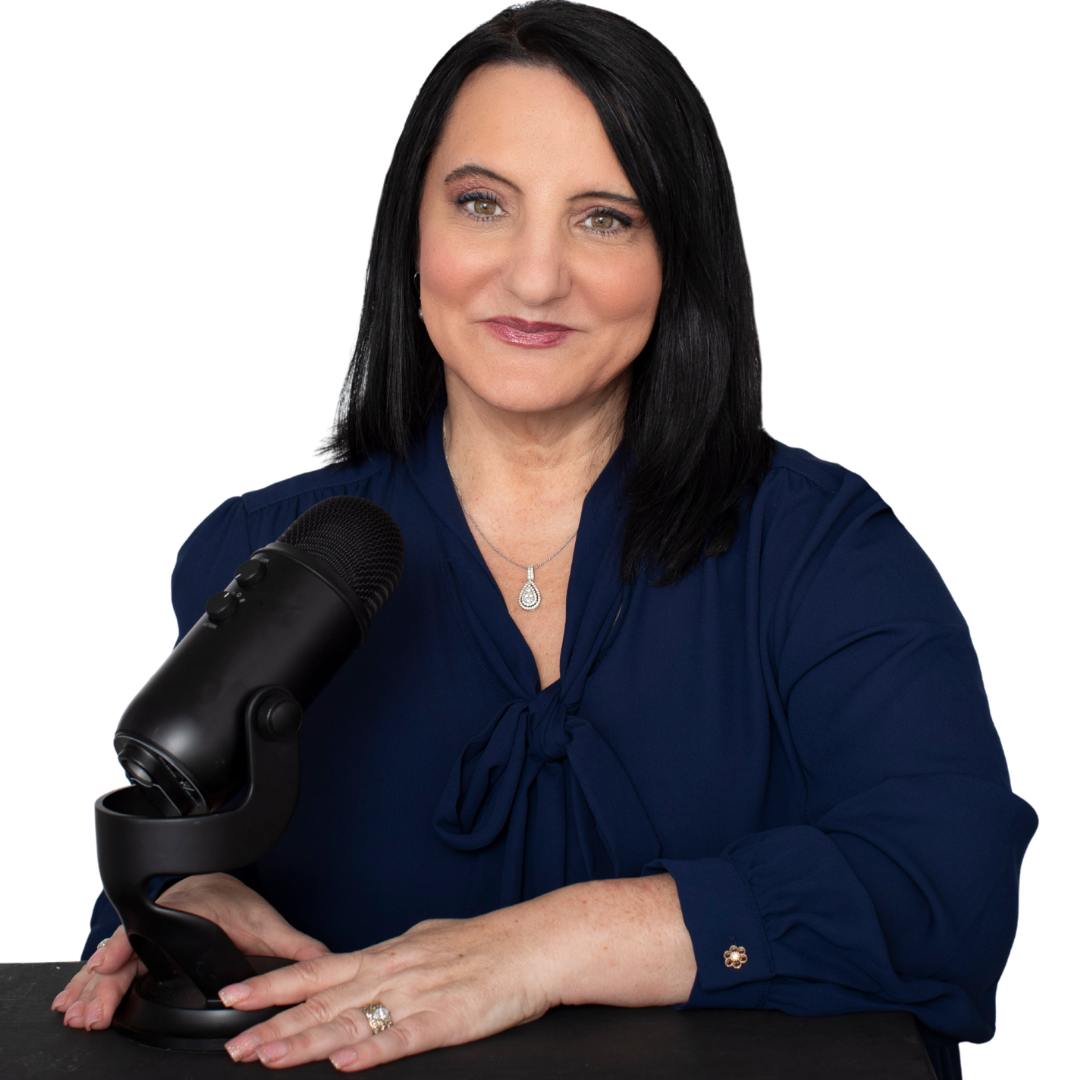
Dr. Roseann Capanna-Hodge is a licensed therapist, certified school psychologist, and leading expert in emotional dysregulation in children. With over 30 years of experience, she helps parents understand the root causes of meltdowns, anxiety, ADHD, and challenging behavior through the lens of nervous system regulation. Dr. Roseann teaches practical, science-backed strategies for co-regulation and how to calm a dysregulated child using her Regulation First Parenting™ approach. She is the host of the Dysregulated Kids Podcast and author of The Dysregulated Kid.
Dr. Roseann Capanna-Hodge
Emotional Dysregulation in Children & Nervous System Expert
Regulation First Parenting™ | CALMS Protocol™
Host of the Dysregulated Kids Podcast (Top 1% Globally)
Author of The Dysregulated Kid