Find Your Solution
In 3 minutes, you’ll know where to start ➤
%20.png)





Estimated Reading Time: 5 minutes
If you’re raising a neurodivergent child and feel like nothing is helping—therapy, school supports, or routines, you’re not alone. Providing support for neurodivergent kids can feel overwhelming, but with the right strategies, calm, consistent approaches, and brain-based interventions, progress is possible.
In this episode, I explain why looking at root causes, trusting your instincts, and calming the nervous system first makes all the difference. You’ll learn how to prioritize interventions, spot hidden stressors, and implement practical strategies that work for your child’s unique brain.
Many parents bounce from solution to solution because progress isn’t linear. A dysregulated nervous system can make children appear resistant or unresponsive, even when interventions are appropriate.
Key takeaways:
Parent story: A mom tried sensory tools, supplements, and therapy with limited success. Once predictable routines and targeted behavioral support were added, her child began showing measurable improvements.
Children rarely struggle for a single reason. Understanding the underlying factors is essential to providing effective support for neurodivergent kids.
Common contributors include:
Tip: Functional providers look at the whole picture, which allows families to stop guessing and start seeing results.
A personalized plan ensures that your approach aligns with your child’s nervous system and strengths.
Benefits of a tailored plan:
Parent insight: Once interventions match a child’s needs, behaviors stabilize, and learning becomes easier.
Natural supports can be powerful when paired consistently with calm, structured routines.
Effective strategies:
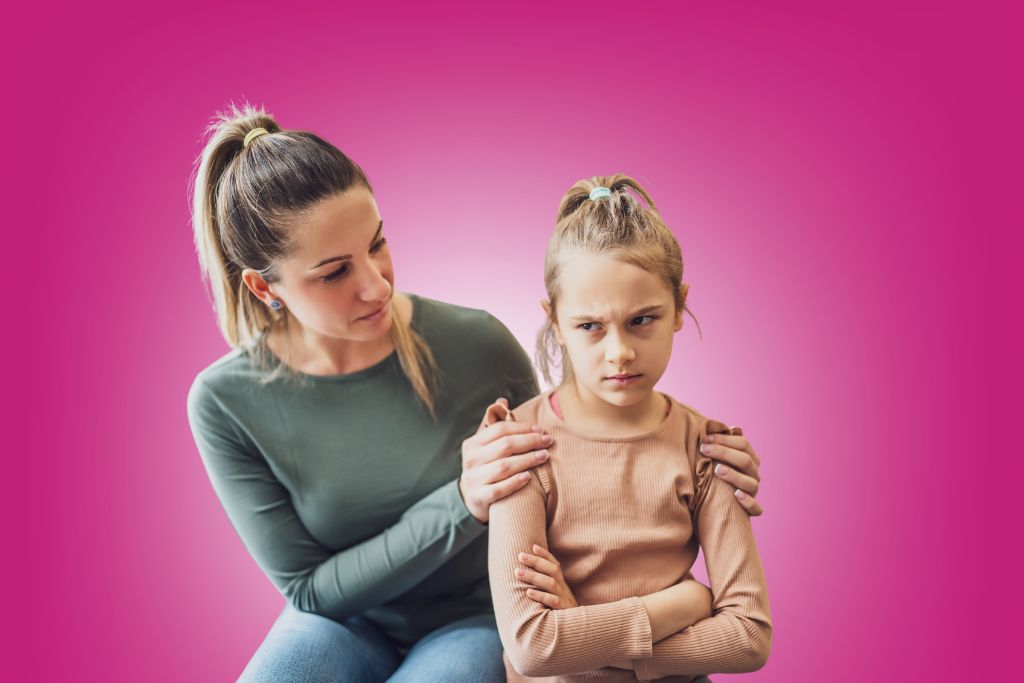
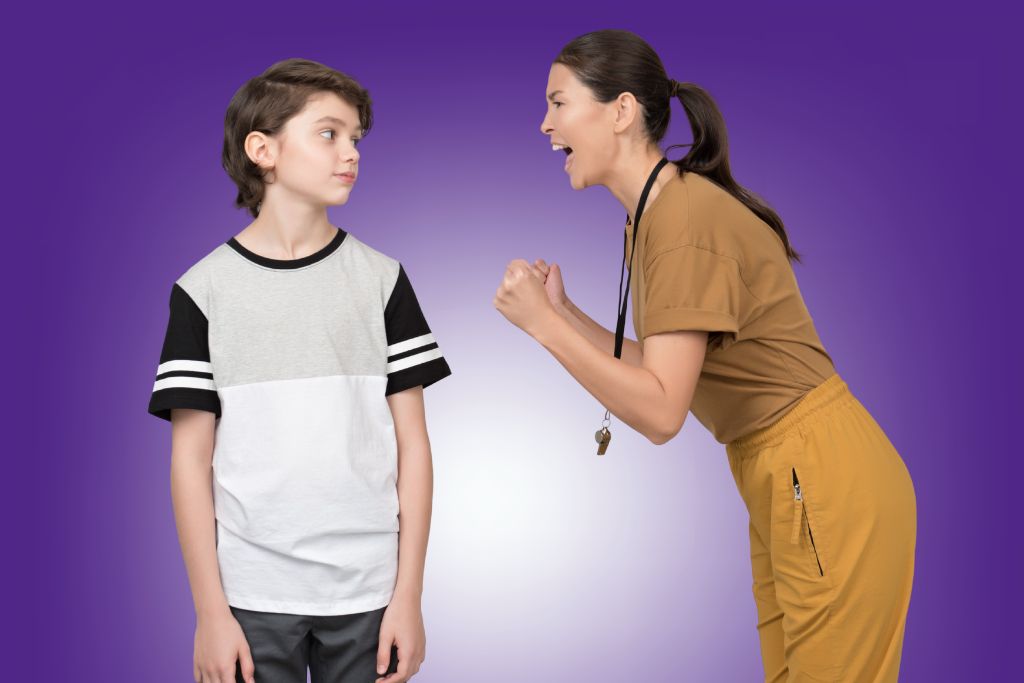
Key reminder: It’s not bad parenting, it’s a dysregulated brain. When parents regulate first, children follow.
Calming the nervous system provides the foundation for learning, coping, and emotional growth.
Parent tools:
Parent story: A child who struggled to transition from school to homework became calmer with co-regulation and a predictable after-school routine.
🗣️ “Setbacks aren’t failures, they’re feedback that guides you toward what your child really needs.” — Dr. Roseann
Children learn self-regulation by observing calm behavior in adults.
Strategies for modeling calm:
Tip: When parents model calm consistently, children mirror that state, reinforcing emotional dysregulation in children.
Providing support for neurodivergent kids requires understanding root causes, prioritizing nervous system regulation, and modeling calm. With consistent routines, sensory tools, and personalized interventions, children can develop emotional regulation, coping skills, and confidence.
Join tens of thousands of parents of dysregulated kids getting science-backed tools from Dr. Roseann Capanna-Hodge. Delivered Tuesdays. Quick read, easy to apply, 5 minutes or less:
Start by observing patterns, implementing co-regulation, and establishing predictable routines.
Therapy is most effective when the nervous system is regulated. Dysregulation can block skill acquisition.
Yes. A holistic approach addressing nutrition, supplements, and regulation supports the nervous system.
Improvements often appear in weeks, but full skill acquisition may take months with consistent practice.
Not entirely. Supplements, routines, and behavioral strategies support the nervous system and enhance therapy or medications.
Next Step: Every child’s journey is different. That’s why cookie cutter solutions don’t work.
Take the free Solution Matcher Quiz and get a customized path to support your child’s emotional and behavioral needs.
Start today at www.drroseann.com/help
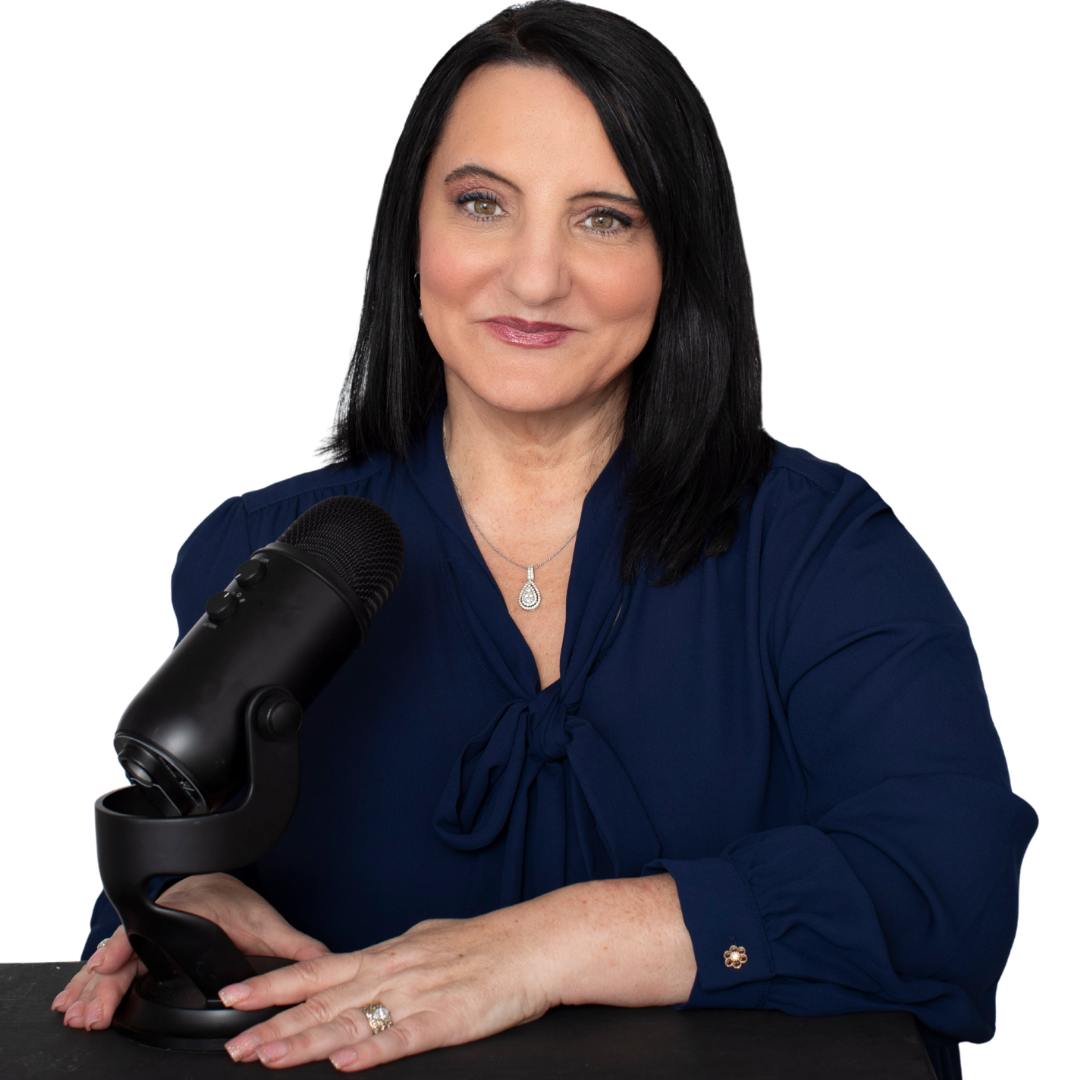
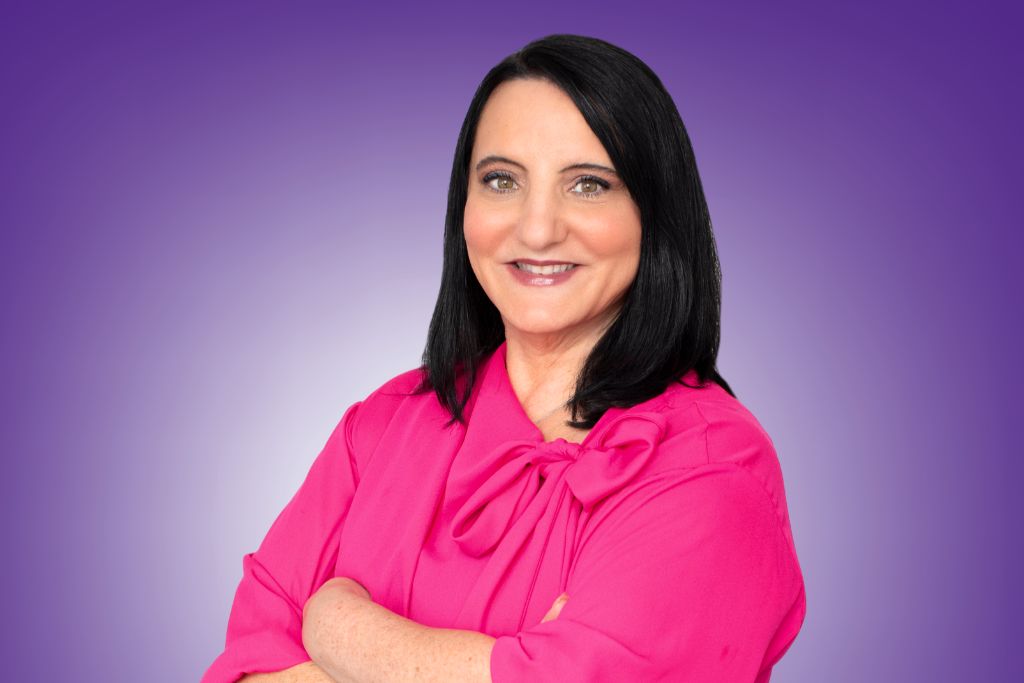
Dr. Roseann Capanna-Hodge is a licensed therapist, certified school psychologist, and leading expert in emotional dysregulation in children. With over 30 years of experience, she helps parents understand the root causes of meltdowns, anxiety, ADHD, and challenging behavior through the lens of nervous system regulation. Dr. Roseann teaches practical, science-backed strategies for co-regulation and how to calm a dysregulated child using her Regulation First Parenting™ approach. She is the host of the Dysregulated Kids Podcast and author of The Dysregulated Kid.
Dr. Roseann Capanna-Hodge
Emotional Dysregulation in Children & Nervous System Expert
Regulation First Parenting™ | CALMS Protocol™
Host of the Dysregulated Kids Podcast (Top 1% Globally)
Author of The Dysregulated Kid