Find Your Solution
In 3 minutes, you’ll know where to start ➤
%20.png)





Estimated reading time: 5 minutes
If your child is anxious, moody, wired at night, or emotionally reactive—and you feel like you’ve tried everything—you’re not alone. It’s not bad parenting—it’s often a dysregulated nervous system.
In this episode, Dr. Jaquel Patterson and I explain why magnesium for mood is essential for kids and teens, how nutrient deficiencies affect emotional regulation, and why calming the brain first supports mental health.
Magnesium supports the nervous system and brain chemistry involved in mood, sleep, and stress response. When levels are low, children often experience heightened anxiety, irritability, and emotional flooding.
Key benefits of magnesium:
Parent story: After adding magnesium consistently, bedtime battles eased and morning anxiety dramatically decreased.
Many parents feel unsure or dismissed when discussing supplements. Functional and integrative medicine research is changing that.
What’s changing:
Tip: Only about 11% of parents discuss supplements with pediatricians, but communication and collaboration are key.
Yes. Low levels of magnesium, zinc, iron, B-vitamins, or vitamin D can worsen:
Parent insight: Even kids who “eat well” may be deficient due to absorption issues or high neurological demands.
Not all magnesium is created equal—certain forms are more effective for nervous system support and cognitive function.
Brain-supportive forms:
Tips for kids:
Making supplementation part of routine self-care helps with compliance.
Strategies:
Parent story: One teen said, “Once I understood why it helped, I wanted to take it,” showing the importance of education and autonomy.
🗣️ “We always ask why. Supplements can help—but understanding the root cause is where real healing begins.” — Dr. Jaquel Patterson
Magnesium works best as part of a holistic approach:
Parent insight: Kids with ADHD or anxiety often respond more quickly to regulation strategies when magnesium deficiencies are addressed simultaneously.
Consistent daily routines enhance the benefits of magnesium and help stabilize the nervous system.
Tips from the episode:
Parent insight: Children who combined magnesium supplementation with consistent routines and movement breaks showed reduced meltdowns and improved focus within weeks.
Getting children to take supplements consistently can be a challenge, but involving them and making it routine increases success.
Recommended strategies:
Parent story: One teen said, “Once I understood why it helped, I wanted to take it,” showing the importance of education and involvement.
Magnesium for mood isn’t a magic fix, but it is a powerful tool for calming the brain, supporting emotional regulation, and improving focus and sleep. When paired with Regulation First Parenting™, structured routines, right support and behavioral strategies, children can thrive.
Start small, be consistent, and remember: It’s not bad parenting—it’s a dysregulated brain.
Check out the Neurotastic™ Multi-Mag Brain™ Formula to support attention, mood, and emotional regulation for the whole family.

Yes. Magnesium supports the nervous system and neurotransmitters, helping reduce worry and emotional reactivity.
Many parents notice improvements in 1–2 weeks with consistent use, though full regulation benefits develop over time.
Yes, especially magnesium glycinate or L-threonate under provider guidance.
Yes. Open communication ensures safety and helps integrate supplementation with other supports.
No. Magnesium supports regulation but works best alongside therapy, structured routines, and other brain-based strategies.
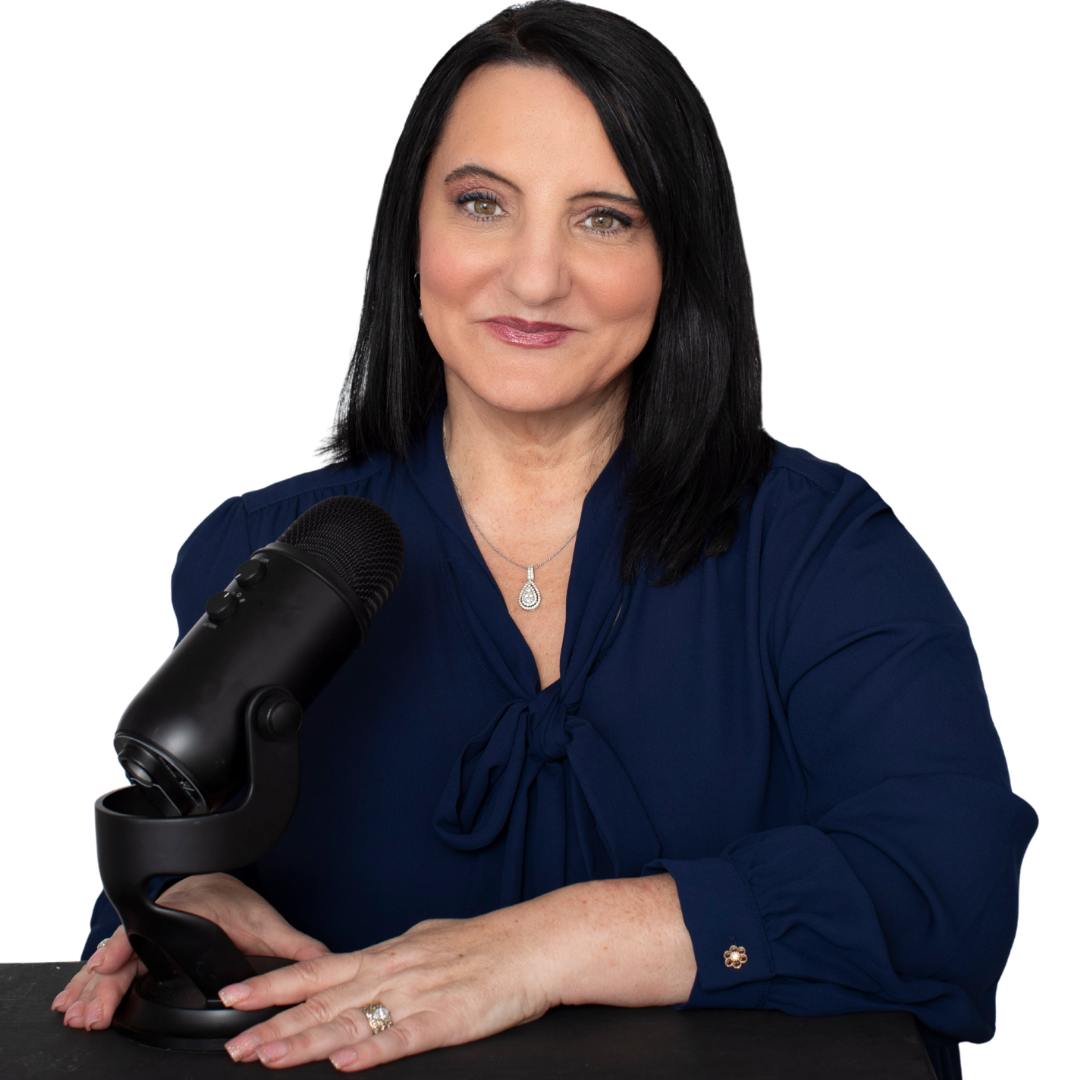
Dr. Roseann Capanna-Hodge is a licensed therapist, certified school psychologist, and leading expert in emotional dysregulation in children. With over 30 years of experience, she helps parents understand the root causes of meltdowns, anxiety, ADHD, and challenging behavior through the lens of nervous system regulation. Dr. Roseann teaches practical, science-backed strategies for co-regulation and how to calm a dysregulated child using her Regulation First Parenting™ approach. She is the host of the Dysregulated Kids Podcast and author of The Dysregulated Kid.
Dr. Roseann Capanna-Hodge
Emotional Dysregulation in Children & Nervous System Expert
Regulation First Parenting™ | CALMS Protocol™
Host of the Dysregulated Kids Podcast (Top 1% Globally)
Author of The Dysregulated Kid