Find Your Solution
In 3 minutes, you’ll know where to start ➤
%20.png)





Estimated Reading Time: 6 minutes
When your child is terrified of intrusive thoughts or feels compelled to perform rituals, it can be exhausting and overwhelming. OCD fears are often hidden, intense, and can disrupt daily life in ways parents never expect.
In this episode, I break down why these fears feel real, how anxious avoidance keeps the brain stuck, and what actually helps kids build confidence, resilience, and brain-based coping skills.
OCD fears aren’t just worries. They are fear-driven brain loops that feel urgent and threatening—even if they seem irrational to others.
Common manifestations:
Parent story: A child repeatedly asks, “Are you sure I didn’t hurt someone?” even when nothing happened. Reassurance only calms them temporarily.
Key insight: Behavior is communication. Rituals are the brain’s attempt to feel safe.
OCD is often hidden because children feel ashamed or confused about their fears.
Clues pointing toward OCD:
Parent example: A mom noticed her child’s “quirky habits” were actually compulsions once they interfered with homework and bedtime.
Remember: OCD is not misbehavior—it’s a dysregulated brain stuck in fear mode.
Most loving parents unknowingly reinforce OCD. Accommodation can make fears stronger.
Signs you may be accommodating:
Parent story: Families sometimes separate siblings in the car to prevent relational OCD triggers. Small accommodations can gradually take over if not managed.
Tip: Start by calming the nervous system and reducing accommodations gradually.
The best approach combines several evidence-based strategies:
Core interventions:
Goal: Teach the brain: “This fear feels real, but it won’t last forever.” ERP breaks the reinforcement loop and helps the brain respond instead of panicking.
Parents play a key role in reinforcing treatment.
At-home strategies:
Remember: OCD is not your child’s fault. With the right tools, it’s absolutely treatable.
🗣️ “Once kids understand their brain—and that OCD isn’t in charge—they feel empowered. That’s where the shift happens.” — Dr. Roseann
OCD fears in children may feel overwhelming, but there is a path forward. By calming the brain first, reducing accommodations, and teaching kids to tolerate small amounts of discomfort, real progress and resilience can be built.
Common triggers include uncertainty, stress, transitions, sensory input, or past experiences that create worry loops.
Yes. With guidance from a trained professional, ERP can safely help children face fears and reduce compulsive behavior.
Unlikely. Without structured intervention, OCD can become entrenched. Early support is critical.
Over-reassurance strengthens compulsions. Gradual, guided exposure with calm support is more effective.
Seek help if rituals dominate daily life, interfere with school or relationships, or create high anxiety.
Every child’s journey is different. That’s why cookie-cutter solutions don’t work.
Take the free Solution Matcher Quiz and get a customized path to support your child’s emotional and behavioral needs—no guessing, no fluff.
Start today at www.drroseann.com/help
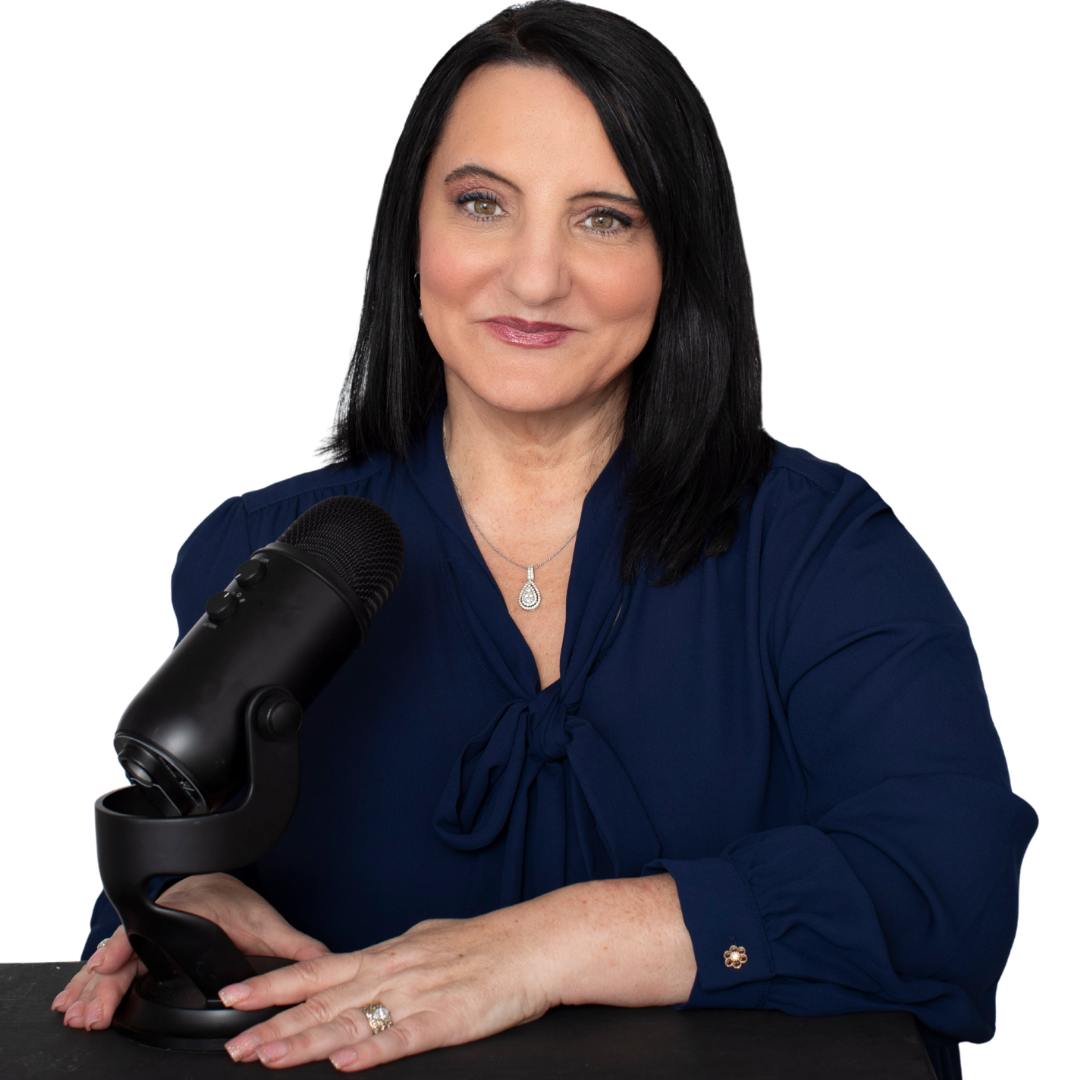
Dr. Roseann Capanna-Hodge is a licensed therapist, certified school psychologist, and leading expert in emotional dysregulation in children. With over 30 years of experience, she helps parents understand the root causes of meltdowns, anxiety, ADHD, and challenging behavior through the lens of nervous system regulation. Dr. Roseann teaches practical, science-backed strategies for co-regulation and how to calm a dysregulated child using her Regulation First Parenting™ approach. She is the host of the Dysregulated Kids Podcast and author of The Dysregulated Kid.
Dr. Roseann Capanna-Hodge
Emotional Dysregulation in Children & Nervous System Expert
Regulation First Parenting™ | CALMS Protocol™
Host of the Dysregulated Kids Podcast (Top 1% Globally)
Author of The Dysregulated Kid