Find Your Solution
In 3 minutes, you’ll know where to start ➤
%20.png)





Estimated Reading Time: 6 minutes
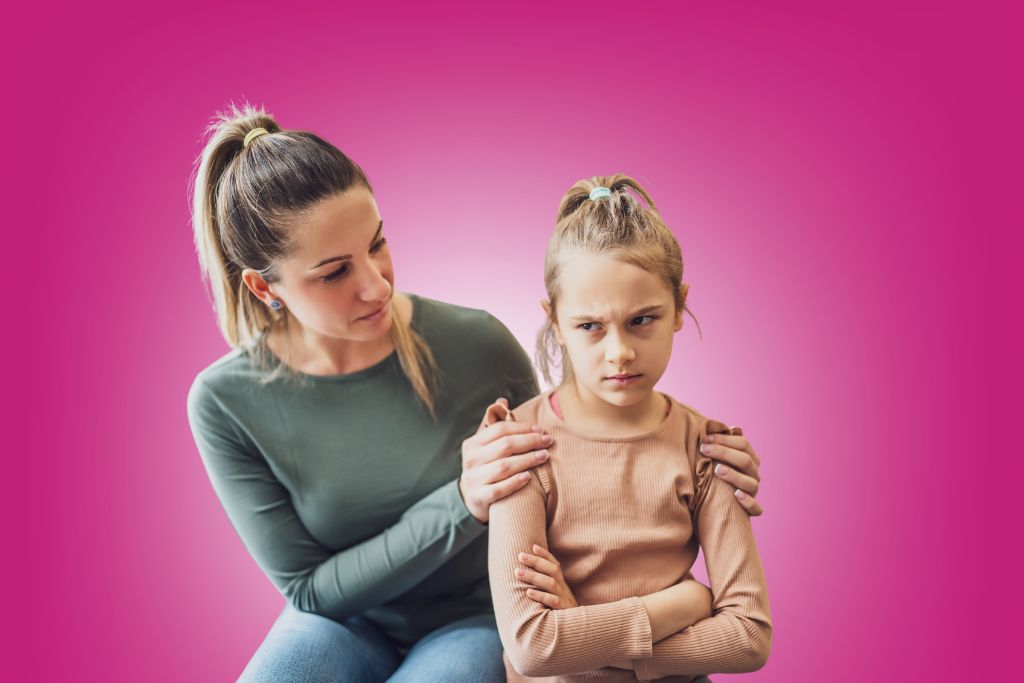
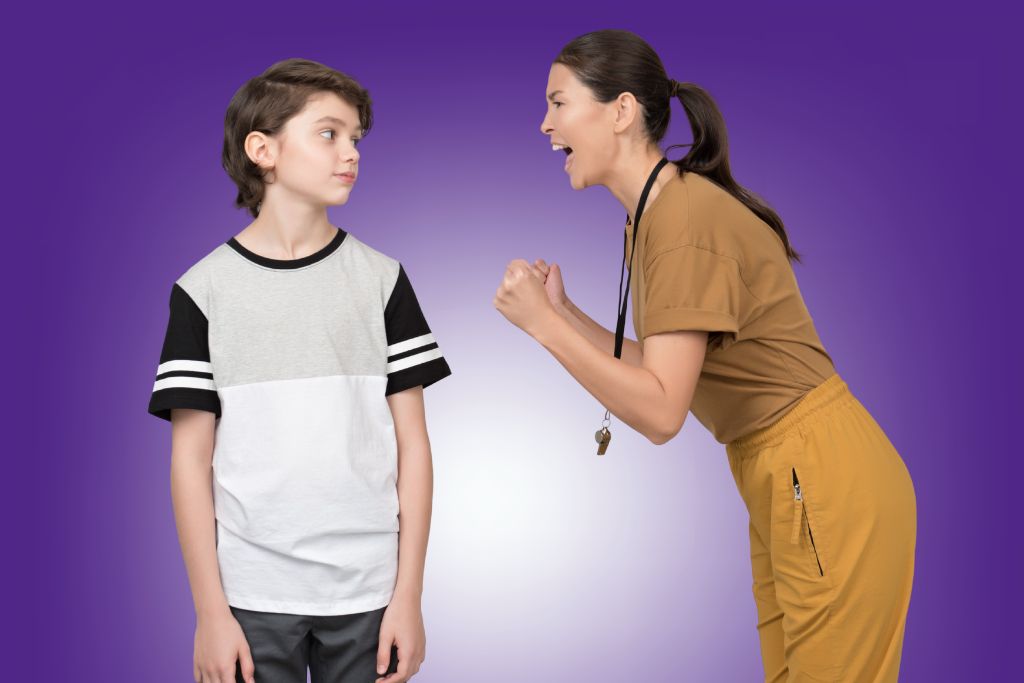
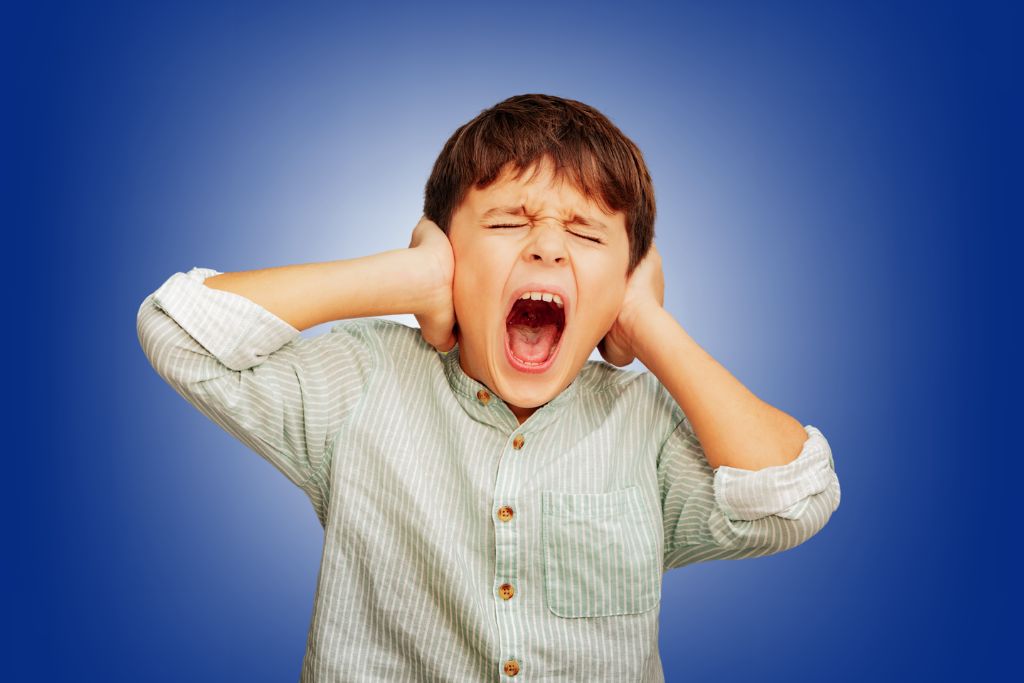
When your child is irritable, melts down over small frustrations, or reacts explosively, it can feel like walking on eggshells. You’re not alone and it’s not bad parenting. Often, behavior is communication from a dysregulated brain.
In this episode, I explain why kids get angry, how to calm the nervous system first, and practical strategies to reduce frustration and build coping skills.
Big mood swings are common, but when they interfere with school, friendships, or family life, they indicate a need for support, not shame.
Hidden drivers of irritability:
Parent example: After school, Mia would meltdown during homework. A protein snack, a 10-minute movement break, and a quiet corner reduced her meltdowns.
Takeaway: Your child is not trying to be negative—they may be stuck in a pattern they don’t yet know how to shift.
Low frustration tolerance and lagging coping skills are often behind emotional explosions. Clinical factors such as sensory processing differences or Rejection Sensitivity Dysphoria (RSD) can amplify reactions.
Try this:
When skills improve, flare-ups shrink naturally.
Sensory support helps modulate the nervous system quickly.
Strategies:
Parent tip: Track which strategies your child responds to and use them consistently.
Follow Regulate → Connect → Correct™: calm first, guide behavior second.
Practical tips:
Parent story: Catching a child pausing before yelling and praising them builds regulation and confidence.
Children with dysregulated nervous systems benefit greatly from sensory strategies that calm and organize their brain. Implementing sensory supports daily can reduce meltdowns and improve emotional regulation.
Try these tools:
Parent story: A child who was reactive during homework became calmer when sensory breaks were incorporated into the routine. Regular use improved attention and reduced irritability.
Executive functioning supports self-control, planning, and emotional regulation. Strengthening these skills helps children manage frustration and decreases angry outbursts.
Practical strategies:
Parent tip: Children who struggle with executive functioning often improve behavior when routines and clear expectations are paired with co-regulation strategies.
🗣️ “Kids aren’t intentionally acting out; they’re struggling with coping. When we calm the brain and model regulation, everything changes.” — Dr. Roseann
.png)
Anger isn’t a character flaw—it’s a sign of a stressed, dysregulated nervous system. By understanding triggers, providing co-regulation, and teaching coping skills, parents can reduce meltdowns and help their child thrive.
When parents say, "I don't know what to do," they mean, "Nothing I try helps." Understanding the nervous system changes everything. I walk you through exactly how to do it in The Dysregulated Kid. Get the book.
If anger impacts school, friendships, or daily life, add regulation tools and skill-building—not blame.
Co-regulate: slow your breath, drop your shoulders, and speak softly. Your calm cues the nervous system.
Only after regulation. First teach coping skills, then provide corrective feedback.
Yes. Magnesium supports calming the nervous system. Always check with your healthcare provider.
Implement predictable routines, sensory breaks, and co-regulation practices daily.
Every child’s journey is different. That’s why cookie-cutter solutions don’t work.
Take the free Solution Matcher Quiz and get a customized path to support your child’s emotional and behavioral needs—no guessing, no fluff.
Start today at www.drroseann.com/help
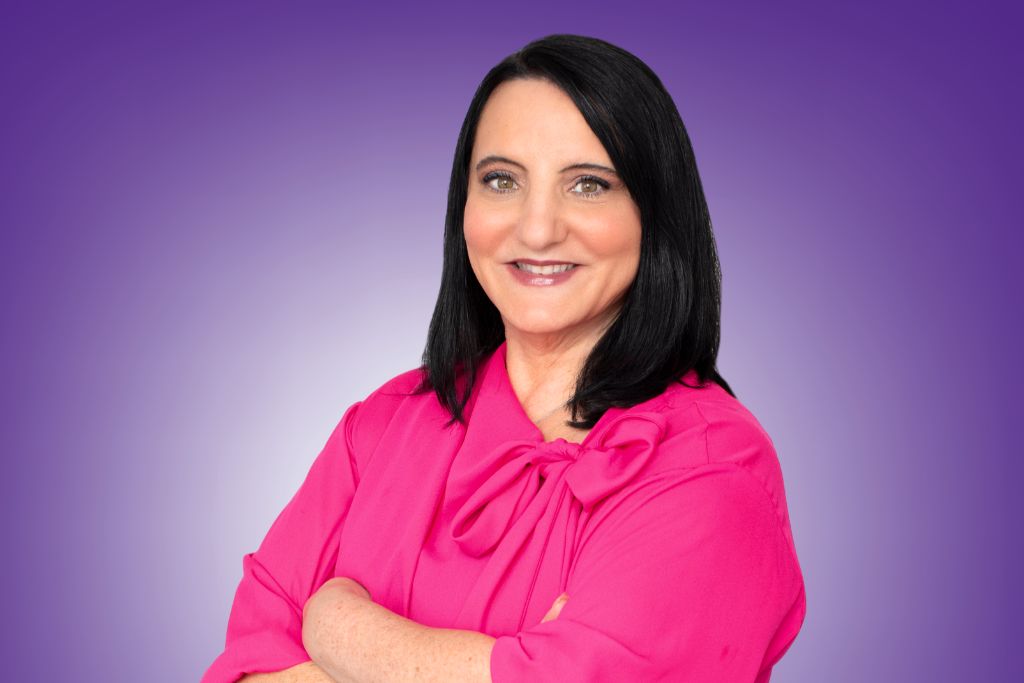
Dr. Roseann Capanna-Hodge is a licensed therapist, certified school psychologist, and leading expert in emotional dysregulation in children. With over 30 years of experience, she helps parents understand the root causes of meltdowns, anxiety, ADHD, and challenging behavior through the lens of nervous system regulation. Dr. Roseann teaches practical, science-backed strategies for co-regulation and how to calm a dysregulated child using her Regulation First Parenting™ approach. She is the host of the Dysregulated Kids Podcast and author of The Dysregulated Kid.
Dr. Roseann Capanna-Hodge
Emotional Dysregulation in Children & Nervous System Expert
Regulation First Parenting™ | CALMS Protocol™
Host of the Dysregulated Kids Podcast (Top 1% Globally)
Author of The Dysregulated Kid