%20.png)



You may have one child or three with ADHD and are puzzled by the vast differences in kids with this neurodivergent brain. The attention deficit disorder spectrum includes a range of symptoms like inattention, hyperactivity, and impulsivity, which can vary widely among individuals. Understanding this spectrum is key to accurate diagnosis and effective treatment.
Understanding the Attention Deficit Disorder Spectrum: Symptoms, Diagnosis, and Treatment
ADD, or Attention Deficit Disorder, is a complex condition that affects many aspects of daily life. It encompasses a variety of symptoms that can range from mild to severe, including issues related to attention, hyperactivity, and impulsivity. It’s important to note that these symptoms can differ significantly among individuals.For example, while one child might struggle with sitting still and constantly fidgeting, another might find it difficult to focus on a task for more than a few minutes. Some people might even be diagnosed with attention deficit hyperactivity disorder, which is a related but distinct condition.The severity of ADD may fluctuate throughout a person’s life, oscillating between mild, moderate, and severe stages. Consequently, healthcare professionals must precisely diagnose the symptom type and intensity to ensure that each individual receives the most effective treatment. The Diagnostic and Statistical Manual of Mental Disorders (DSM-5-TR) is often used to categorize the severity based on the number of symptoms and their impact on daily functioning.Treatment strategies for ADD can differ significantly, depending on symptom severity. Some might find simple lifestyle changes and dietary adjustments sufficient, while others may require a combination of therapy and medication. Understanding this spectrum allows parents, educators, and healthcare providers to personalize their approach to each individual’s unique needs.

The Spectrum of ADHD: Different Strengths and Needs
The autism spectrum disorder, just like the ADD spectrum, is not just a list of symptoms; it’s a continuum that illustrates how these symptoms can vary in intensity and impact across different age groups. The National Institute of Mental Health emphasizes the importance of recognizing this spectrum to provide accurate diagnoses and effective treatment plans for common mental disorders.Children often face significant challenges due to dysregulation, leading to feelings of shame, anxiety, and low self-esteem. Thus, early identification and support are critical.Parents play a pivotal role in managing their child’s ADHD. Understanding the disorder helps them create a supportive home environment and advocate for appropriate interventions at school, as well as help them to foster their strengths and interests. The impact of ADD is far-reaching, affecting not just the child but also their family and social circles. This ripple effect highlights the need for comprehensive awareness and education about the disorder.
What is the Attention Deficit Disorder Spectrum?
The ADD spectrum encompasses a range of symptoms that can vary significantly between individuals. At its core, ADD is characterized by impairments in attention, impulsivity, and sometimes hyperactivity. These symptoms exist on a continuum, meaning they can range from mild to severe, affecting various aspects of a person’s daily life.
The ADHD spectrum includes a range of symptoms and behaviors:
- Inattention, finding it hard to stay focused or organize tasks
- Hyperactive or impulsive behaviors like fidgeting or difficulty remaining still
- Emotional regulation issues
Types of Attention Deficit Disorder
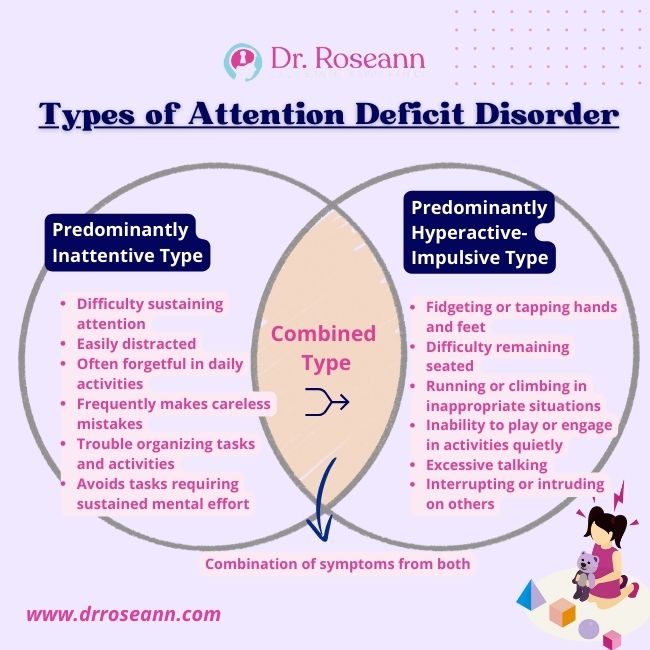
ADD is not a one-size-fits-all diagnosis; it is classified into three main types: predominantly inattentive, predominantly hyperactive-impulsive, and combined type. Each type presents distinct symptoms and challenges, requiring tailored approaches to treatment and management.
There are three types of ADHD:
- Predominantly inattentive type: characterized by difficulties in focusing, organizing, and sustaining attention.
- Predominantly hyperactive-impulsive type: involves excessive movement, impulsivity, and difficulty remaining still.
- Combined type: includes symptoms from both inattentive and hyperactive-impulsive categories, making it a more complex diagnosis.
Predominantly Inattentive Type
Predominantly inattentive ADHD, sometimes referred to as mild ADHD, is marked by problems regulating attention, making it difficult for individuals to focus on tasks or stay organized. Children with this type of ADD may often appear to be daydreaming or not listening when spoken to, which can be frustrating for both the child and their caregivers.Symptoms such as making careless mistakes, having difficulty organizing tasks, and forgetfulness are common. These symptoms can be a sign of trouble paying attention, a key characteristic of mild ADHD.These challenges can significantly impact a child’s academic performance and social interactions. For instance, a child with the inattentive type may struggle to follow multi-step instructions or keep track of their school assignments, leading to academic underperformance and potential conflicts with teachers and peers.
Predominantly Hyperactive-Impulsive Type
The predominantly hyperactive-impulsive type of ADD is characterized by behaviors such as constant fidgeting, excessive talking, and an inability to remain still. These symptoms can be particularly disruptive in a classroom setting, where the need to sit quietly and focus is paramount.Children with this type of ADD may frequently interrupt others, have difficulty waiting their turn, and act impulsively without considering the consequences. Starting and finishing tasks in low interest areas can be a struggle.This type of ADD can also affect social relationships, as impulsive actions and hyperactive behaviors may be perceived as disruptive or inconsiderate by peers. Those with this type of ADD might find themselves constantly restless, trying to juggle multiple tasks at once, often unsuccessfully.
Combined Type
The combined type of ADD includes symptoms from both the inattentive and hyperactive-impulsive categories. This means that individuals with combined type ADD exhibit a mix of inattention, hyperactivity, and impulsivity, making it a more complex diagnosis.For children up to age 16, a diagnosis of combined type ADD requires the presence of six inattention symptoms and six hyperactivity-impulsivity symptoms.Managing this type of ADD often involves a multifaceted approach to address the diverse challenges presented by both sets of symptoms.
The Role of Brain Development in ADD and ADHD
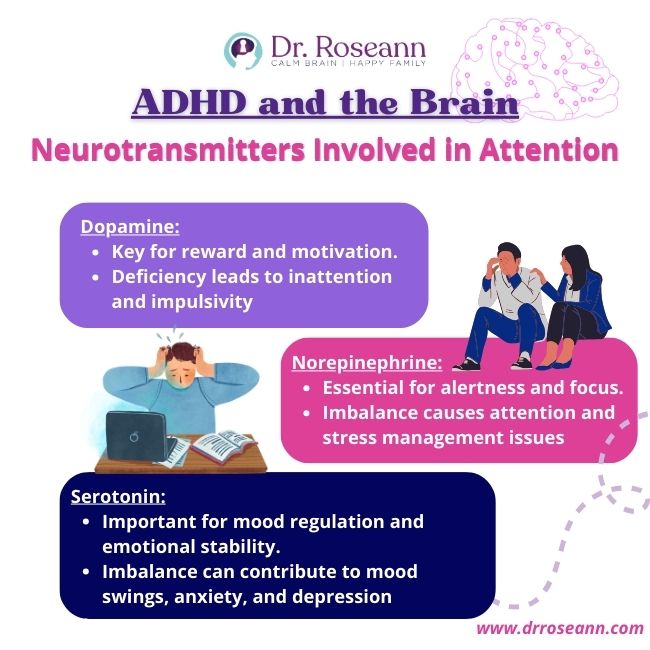
Brain development plays a crucial role in ADD, with differences in structure, function, and connectivity affecting attention and impulse control. Research has shown that the prefrontal cortex in children with ADD matures more slowly and is slightly smaller in size compared to typically developing children. Additionally, other brain regions such as the cerebellum, hippocampus, and amygdala are also smaller in volume, contributing to issues with motor response inhibition and emotional regulation.Chemical imbalances, particularly in dopamine pathways, are thought to play a significant role in ADD symptoms.These imbalances can affect brain networks related to:
- emotion
- attention
- behavior
- arousal
Differences in brain connectivity, such as irregular activity in the default mode network (DMN), have also been observed in children with ADD, further highlighting the complex neurological basis of the disorder.Comprehending these brain development differences is vital in formulating targeted treatment strategies. Interventions such as neurofeedback, which uses brain exercises to improve attention and reduce impulsivity, can be particularly effective.Continued research into the neurological underpinnings of ADD will help refine these treatments and improve outcomes for individuals with the disorder.
Diagnosing Attention Deficit Disorder
Diagnosing ADD involves evaluating the spectrum of symptoms and their impact on daily functioning. The DSM-5-TR criteria are widely used by healthcare professionals to diagnose ADHD, considering both the type and severity of symptoms. According to the DSM-5-TR, symptoms must be present for at least six months and should significantly impair functioning in two or more settings, such as home, school, or work.A thorough diagnosis often involves input from multiple sources, including parents, teachers, and the individual themselves. Rating scales and questionnaires, such as the Vanderbilt scale and the Conners CBRS, are commonly used tools that help assess the presence and severity of symptoms.These tools provide a picture of how ADHD impacts an individual’s daily life, guiding the development of effective treatment plans.
Diagnostic Tools
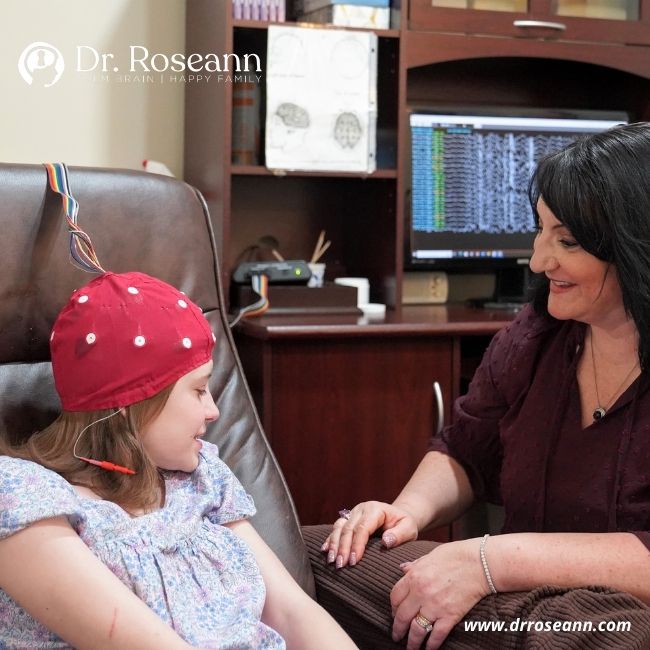
Diagnostic tools for ADD include various rating scales and questionnaires designed to evaluate the frequency and severity of ADHD symptoms. These tools are crucial for distinguishing between typical behavior and symptoms that significantly impact daily functioning. Some commonly used diagnostic tools for ADD are:
- The Conners CBRS, which is used to determine qualification for special education, find a treatment plan, and assess treatment effectiveness
- The ADHD Rating Scale, which assesses symptoms and impairment in children and adults
- The Vanderbilt Assessment Scale, which evaluates ADHD symptoms and related behaviors in children
These tools can help healthcare professionals accurately diagnose and develop appropriate treatment plans for individuals with ADD, including those who may require an ADHD diagnosis, an autism diagnosis, and the use of ADHD medication or stimulant medications.Another diagnostic tool is the QEEG brain map, which shows areas of the brain that are under or over-stimulated. These tools, combined with the DSM-5-TR criteria, help healthcare professionals develop a detailed understanding of the individual’s symptoms and how they affect their daily life. A thorough diagnostic approach ensures that the treatment plan is customized to address the unique needs of the individual.
Impact of ADD on Daily Life
ADD can significantly impact daily life, affecting everything from academic performance to social interactions. Children with undiagnosed ADHD often struggle with organization, remembering assignments, and transitioning between tasks. These challenges can make daily routines, such as getting up in the morning or completing homework, particularly difficult.Emotional regulation is another area where ADD can have a profound impact. Individuals with ADD may experience mood swings and heightened sensitivity to stress, making it difficult to manage emotions effectively. Social interactions are often strained due to impulsive behaviors and difficulty listening during conversations, leading to misunderstandings and conflicts. Understanding these impacts is crucial for developing effective support strategies.
Academic and Career Impact
ADD can lead to significant academic and career challenges due to difficulties in organization, focus, and time management. Research suggests that young adults with undiagnosed ADHD often face academic problems in college due to the intense concentration needed for coursework. Many individuals with ADD work harder than their peers to achieve academic success, which can be exhausting and demoralizing.ADHD can affect school and career success and self-esteem. Individuals with ADHD may frequently receive feedback about their inattentiveness or disruptive behavior, leading to feelings of inadequacy.
ADHD compensatory strategies:
- setting multiple alarms and reminders for important tasks
- breaking tasks into smaller, more manageable steps
- using visual aids and organizational tools
- seeking support from colleagues or mentors
- practicing mindfulness and stress-reducing techniques
Social Skills and Relationships
Social skills and relationships can be significantly strained by ADD symptoms. Communication challenges are common, with individuals often interrupting others or having difficulty sustaining attention during conversations. This can lead to misunderstandings and strained relationships with peers and family members.Impulsivity and forgetfulness can also impact social interactions, causing missed social engagements and overblown emotional responses. These behaviors can make it difficult to maintain healthy relationships and effectively use communication skills with others. Addressing these challenges through skills training and behavioral interventions can help improve social interactions and overall mental health.
Treatment Strategies for ADD
Treatment strategies for ADD are as varied as the symptoms themselves, often requiring a multi-pronged approach to be effective. These strategies can include behavioral therapy, lifestyle changes, and sometimes medication, depending on the severity of the symptoms.Parent training in behavior management is recommended as the first-line treatment for children under six. This approach has been shown to be effective in addressing challenging behaviors in young children. This training helps parents create structured routines and use positive reinforcement to encourage desired behaviors.In addition to behavioral therapy, other interventions such as yoga, mindfulness, and dietary changes have shown promise in managing ADD symptoms. These lifestyle changes can help stabilize mood, reduce anxiety, and improve overall functioning. It’s vital to personalize treatment plans to each individual’s unique needs, blending various strategies to achieve the optimal outcomes.
Behavioral Therapy
Behavioral therapy focuses on encouraging positive behaviors and reducing problem behaviors through structured routines and reward systems. Cognitive-behavioral therapy (CBT) is particularly effective for individuals with ADD, as it includes training in:
- time management
- prioritization
- organization
- problem-solving
- motivation
- emotional regulation
Neurofeedback is another promising therapy that uses brain exercises to reduce impulsivity and increase attentiveness.For young children, parent training in behavior management is crucial. This approach involves structuring time at home, establishing routines, and reinforcing good behavior with rewards. Music therapy can also bolster attention, reduce hyperactivity, and enhance social skills, making it a valuable addition to traditional behavioral therapies.
Lifestyle Changes
Lifestyle changes hold a significant role in managing ADD symptoms, providing non-pharmacological methods to enhance daily functioning. Regular physical exercise, for example, can aid in mood stabilization and reduce feelings of anxiety. Early interventions focusing on environmental enrichment and physical exercise have shown to improve neural development and potentially alter ADD’s trajectory.In addition to other lifestyle changes, the following interventions can be beneficial for individuals with ADD:
- Nutritional supplementation
- Cognitive retraining
- Brain gyms
- Brain stimulation interventions
- Psychotherapy
- Yoga
- Meditation
These interventions can help individuals with ADD manage their symptoms more effectively and improve their overall quality of life.
Coping Strategies for Individuals with ADD
Formulating efficient coping strategies is crucial for individuals with ADD to handle daily challenges. Creating a structured daily routine can help reduce stress and improve organization. Visual aids, such as color-coded calendars and sticky notes, can provide helpful reminders and keep tasks on track.Practical strategies that can make a significant difference for individuals with ADD include:
- Utilizing colorful or distinctive items to quickly locate important belongings
- Creating a ‘hot spot’ for time-sensitive documents
- Listening to audiobooks as a calming activity that helps with focus
Time Management Techniques
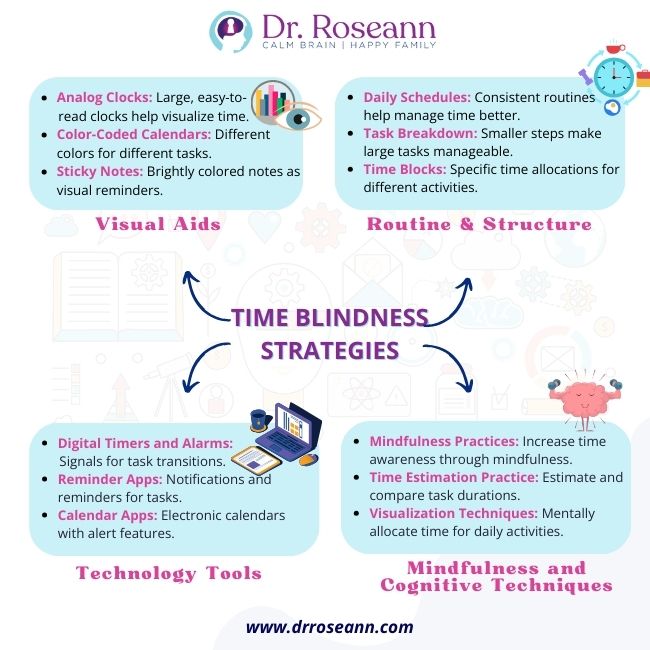
Time management techniques are crucial for individuals with ADD to stay organized and on track. Here are some effective strategies:
- Google Calendar: Utilize Google Calendar with reminder notifications and emails to organize schedules efficiently.
- Color-Coding: Color-code schedules in a calendar to make important tasks stand out, increasing the likelihood of noticing and remembering them.
- Brightly Colored Paper: Write down tasks on brightly colored paper to draw attention and aid memory.
- Analog Clocks: Use analog clocks to visualize the passage of time and manage it better.
- Include Travel and Prep Time: Ensure schedules include travel and prep time for a realistic approach to time management.
- Set Alarms: Set alarms for different stages of a task to break down larger tasks into manageable steps.
Emotional Regulation
Emotional regulation strategies are vital for managing impulsive decisions and emotional responses. Here are some effective techniques:
- Mindfulness Sessions: Start the day with a five-minute mindfulness session to set a calming tone. Practicing mindfulness helps individuals with ADD become more aware of their emotional states and respond more calmly.
- Delay Tactics: Use delay tactics, such as waiting a few days before acting on an impulse, to reduce impulsive decisions.
- Deep-Breathing Techniques: Practice deep-breathing techniques to manage immediate emotional responses and maintain emotional balance throughout the day.
Importance of Early Intervention
Early intervention is vital for individuals with ADD, as it can circumvent long-term negative outcomes and enhance treatment responsiveness. The brain shows higher plasticity in early childhood, making it more responsive to interventions during this period. Targeting preschool children for ADHD intervention can prevent long-term issues like academic failure and poor social relationships.Implementing ADHD interventions during preschool years can avoid many of the chronic and impairing outcomes associated with the disorder. Early ADHD intervention can also reduce the likelihood of developing comorbid psychiatric disorders, which often complicate treatment. By addressing ADD symptoms early, we can set the stage for a more positive developmental trajectory.
The ADD Spectrum and Your Child With ADHD
Understanding the ADHD spectrum is essential for accurate diagnosis and effective treatment. Early intervention is key to preventing long-term negative outcomes and improving overall quality of life. By staying informed and proactive, we can better support kids and teens with ADHD and help them thrive.If you are looking for more support, listen to my It’s Gonna Be OK! Podcast or you can contact us to learn more about our Focus Formula Parent Kit.
Key Takeaways
- ADHD encompasses a spectrum of symptoms that can vary from mild to severe, including attention issues, hyperactivity, and impulsivity. Diagnosis and treatment should be individualized based on symptom type and severity.
- There are three main types of ADHD: predominantly inattentive, predominantly hyperactive-impulsive, and combined type, each requiring tailored treatment strategies.
- Effective management of ADHD often involves a combination of treatments, including behavioral therapy, and lifestyle changes depending on the severity of symptoms. Early intervention is crucial for better outcomes.
What is the ADD spectrum?
The ADD spectrum encompasses a range of symptoms related to attention, hyperactivity, and impulsivity that can vary in severity and manifestation among individuals.
What us AuDHD and is that part of the ADD Spectrum?
AuDHD is part of the ADD spectrum. AuDHD is a combination of autism spectrum disorder and ADHD, which means one has both attention deficit hyperactivity disorder and ASD symptoms.
How is ADD diagnosed?
ADD is diagnosed using the DSM-5-TR criteria, which require symptoms to be present for at least six months and significantly impair functioning in two or more settings.
What are the main types of ADD?
The main types of ADD are predominantly inattentive, predominantly hyperactive-impulsive, and combined type, each presenting distinct symptoms and challenges.
What treatment strategies are effective for ADD?
A multi-pronged approach including behavioral therapy, lifestyle changes, and medication is often necessary to effectively treat ADD. It’s important to address the diverse symptoms of ADD.
Why is early intervention important for ADD?
Early intervention for ADD is crucial as it can prevent long-term negative outcomes, improve treatment effectiveness, and reduce the risk of developing other psychiatric disorders.Citations:Centers for Disease Control and Prevention. (2021, March 26). Data and Statistics About ADHD.https://www.cdc.gov/adhd/data/?CDC_AAref_Val=https://www.cdc.gov/ncbddd/adhd/data.html Rohner, H., Gaspar, N., Philipsen, A., & Schulze, M. (2023). Prevalence of Attention Deficit Hyperactivity Disorder (ADHD) among Substance Use Disorder (SUD) Populations: Meta-Analysis. International journal of environmental research and public health, 20(2), 1275. https://doi.org/10.3390/ijerph20021275Dr. Roseann is a mental health expert in ADHD who is frequently in the media:
- Parents Are Your Kid's Meltdowns a Sign of Rejection Sensitive Dysphoria?
- Scary Mommy What Is Self-Regulation In Children, And How Can You Help Improve It?
- Medicinal Media Different minds grow awareness: understanding the autism spectrum
Always remember... “Calm Brain, Happy Family™”
Disclaimer: This article is not intended to give health advice and it is recommended to consult with a physician before beginning any new wellness regime. *The effectiveness of diagnosis and treatment vary by patient and condition. Dr. Roseann Capanna-Hodge, LLC does not guarantee certain results.
Are you looking for SOLUTIONS for your struggling child or teen?
Dr. Roseann and her team are all about science-backed solutions, so you are in the right place!
Grab your complimentary copy of

Dr. Roseann is a Children’s Mental Health Expert and Licensed Therapist who has been featured in/on hundreds of media outlets including The Mel Robbins Show, CBS, NBC, PIX11 NYC, Today, FORBES, CNN, The New York Times, The Washington Post, Business Insider,Women’s Day, Healthline, CNET,Parade Magazine and PARENTS. FORBES called her, “A thought leader in children’s mental health.”

She coined the terms, “Re-entry panic syndrome” and “eco-anxiety” and is a frequent contributor to media on mental health.Dr. Roseann Capanna-Hodge has three decades of experience in working with children, teens and their families with attention-deficit hyperactivity disorder (ADHD), autism, concussion, dyslexia and learning disability, anxiety, Obsessive Compulsive Disorder (OCD), depression and mood disorder, Lyme Disease, and PANS/PANDAS using science-backed natural mental health solutions such as supplements, magnesium, nutrition, QEEG Brain maps, neurofeedback, PEMF, psychotherapy and other non-medication approaches.She is the author of three bestselling books, It’s Gonna Be OK!: Proven Ways to Improve Your Child's Mental Health, The Teletherapy Toolkit, and Brain Under Attack. Dr. Roseann is known for offering a message of hope through science-endorsed methods that promote a calm brain.Her trademarked BrainBehaviorResetⓇ Program and It’s Gonna be OK!Ⓡ Podcast has been a cornerstone for thousands of parents facing mental health, behavioral or neurodevelopmental challenges.She is the founder and director of The Global Institute of Children’s Mental Health, Neurotastic™Brain Formulas and Dr. Roseann Capanna-Hodge, LLC. Dr. Roseann is a Board Certified Neurofeedback (BCN) Practitioner, a Board Member of the Northeast Region Biofeedback Society (NRBS), Certified Integrative Mental Health Professional (CIMHP) and an Amen Clinic Certified Brain Health Coach. She is also a member of The International Lyme Disease and Associated Disease Society (ILADS), The American Psychological Association (APA), Anxiety and Depression Association of America (ADAA) National Association of School Psychologists (NASP), International OCD Foundation (IOCDF).© Roseann-Capanna-Hodge, LLC 2024