Logo

Find Your Solution

In 3 minutes, you’ll know where to start ➤


Dysregulated Kids Podcast


LISTEN NOW:
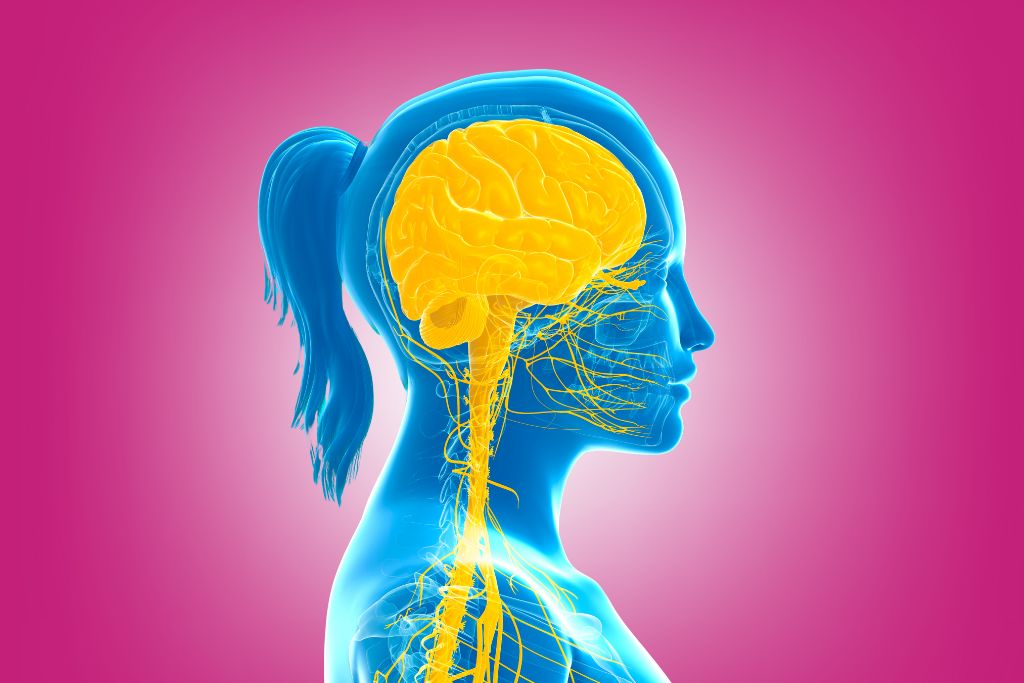
Calm the Nervous System.
Change Behavior.

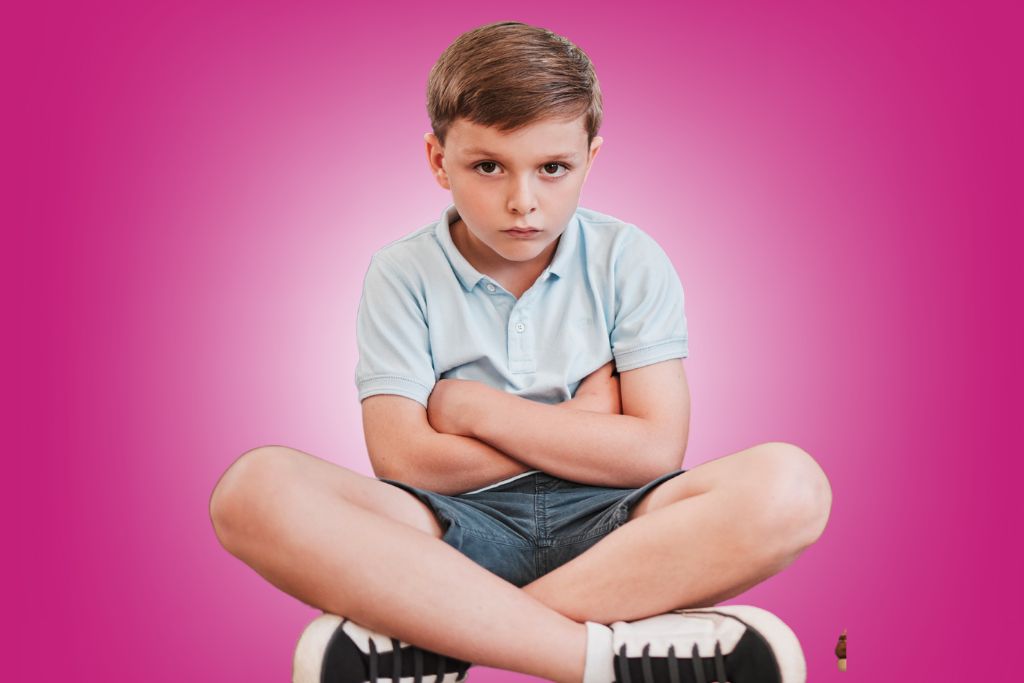
If your child melts down, won’t listen, or goes from calm to overwhelmed in seconds… you’re not alone.

Every kid gets dysregulated sometimes—but when it keeps happening, it’s a sign the nervous system needs support.

Get simple, clear ways to help your child calm down and feel in control.
dysregulated kids podcast
parent-child communication - available on apple podcasts
Spotify logo featuring a green circle with three curved black lines representing sound waves, symbolizing the popular music and podcast streaming platform.
Amazon Music logo featuring the word 'Amazon' with the signature smile arrow and 'Music' in bold text, representing the digital music streaming service by Amazon.
Castbox logo, featuring a sleek and modern design with the name 'Castbox' in bold lettering, representing the popular podcast platform known for streaming and discovering podcasts.

START HERE:

What Does Your Child Needs the Most?

Meltdowns & Big Emotions

→ How to Stop Meltdowns Before They Start

Not Listening & Defiance

→ Why Your Child Isn’t Listening (And What to Do Instead)

ADHD & Focus Struggles

→ Why Dysregulated Kids Can’t Use Executive Function

Graphic titled 'Anxiety Coping Skills for Teens,' featuring a diverse group of teenagers practicing coping techniques like deep breathing, journaling, exercising, and talking to a trusted adult, with calming colors and supportive text labels.

Anxiety & Overwhelm

→ Calm Words That Actually Work

Daily Stress & Sudden Blow-Ups

→ The Stress Cup: Why Kids Explode Over Small Things


Check Out the Dysregulated Kids Podcast Series:

Micro steps parents can take to calm their child’s emotional dysregulation and improve focus

Micro Steps to Calm Your Child's Dysregulation | Nervous System Strategies | E250

When your child spirals fast, the chaos feels endless, but tiny daily shifts can calm dysregulation and retrain the brain. In this episode, we explore the micro steps that make big change, guided by Dr. Roseann Capanna-Hodge, expert in emotional dysregulation and founder of Regulation First Parenting
Read More
Ten reasons meltdowns happen due to brain dysregulation in children at home environments

10 Reasons Why Meltdowns Happen: Brain Dysregulation at home | Nervous System Strategies | E249

When your child seems fine at school but unravels the minute you get home, that’s often brain dysregulation at home, not “bad behavior.” This episode unpacks why meltdowns happen and how to respond with calm, connection, and support instead of shame.
Read More
Why children manage behavior at school but struggle emotionally and behaviorally at home

Why does My Child only have Meltdowns at Home | Nervous System Strategies | E248

Wondering why your child only has meltdowns at home after holding it together at school? Many kids mask all day, then release the stress once they feel safe. This leaves parents to face big after-school emotions and confusion.
Read More
Understanding if behavioral problems in children are phases or persistent challenges to address

Behavioral Problems in Children: Is This Just a Phase | Co-Regulation | E247

Learning to identify the difference between typical phases and behaviors that require attention is key to helping children navigate challenges and ensuring they grow into their best selves. Join me in another episode as we dive into the root causes behind certain behaviors.
Read More
Teen showing signs of nervous system dysregulation with overstimulation and understimulation in children

246: Overstimulated vs. Understimulated: Identifying Nervous System Imbalances in Kids

In this episode, we talk about how crucial it is to remain attuned to children's behaviors and recognize that sudden changes can often indicate deeper emotional or sensory challenges.
Read More
Brain image illustrating nervous system dysregulation affecting child behavior and emotions

245: How Nervous System Dysregulation Affects Your Child's Behavior and Emotions

Understand nervous system dysregulation and learn co-regulation tools to calm meltdowns, boost coping, and change behavior—Dr. Roseann’s simple plan.
Read More
Child practicing calming techniques to manage hyperactivity at home and school

Calming Techniques for Hyperactivity in Kids | Nervous System Strategies | E244

When your child “can’t stop,” you need more than willpower. These calming techniques for hyperactivity help you reduce impulsivity, boost focus, and build real self-regulation—without constant conflict. Let’s calm the brain first and make daily life workable for everyone.
Read More
Neurofeedback session helping reduce emotional reactivity and improve attention in children

243: Reducing Emotional Reactivity with Neurofeedback: A Path to Better Attention and Calm

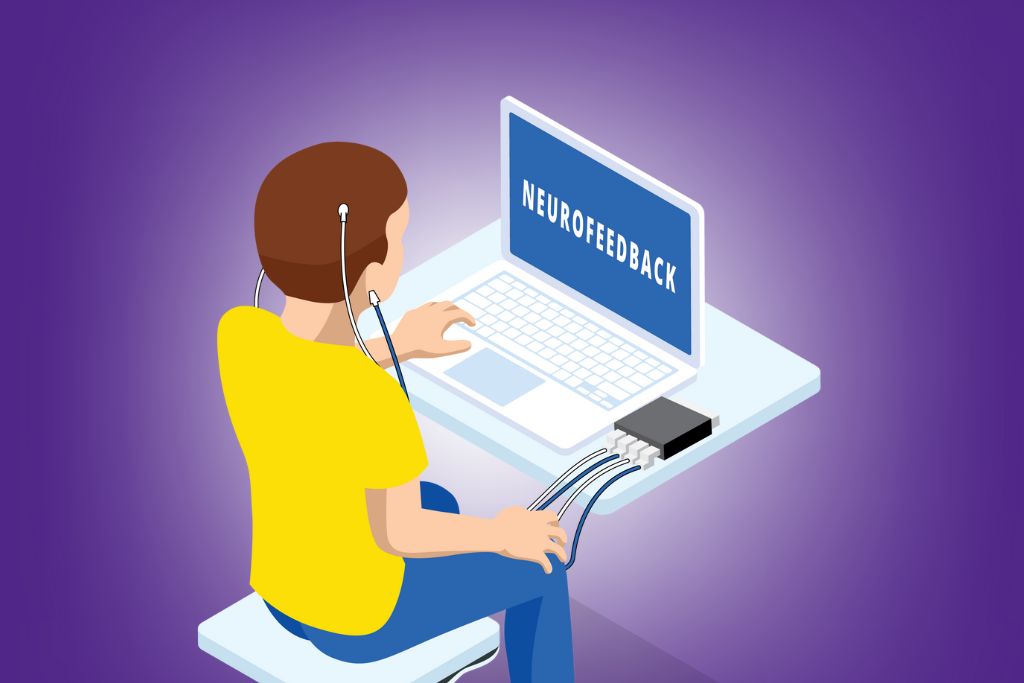
Reducing emotional reactivity in kids starts with calming the brain. In this episode, discover how neurofeedback supports focus and regulation with guidance from Dr. Roseann Capanna Hodge, a leader in Regulation First Parenting™ and child dysregulation.
Read More
Child with ADHD facing school challenges and strategies for academic success

ADHD and School Challenges | Emotional Dysregulation in Children | E242

Feel stuck navigating ADHD and school challenges? Learn why focus, organization, and behavior fall apart at school and how to support your child without burning out, guided by Dr. Roseann Capanna-Hodge’s Regulation First Parenting™ approach.
Read More
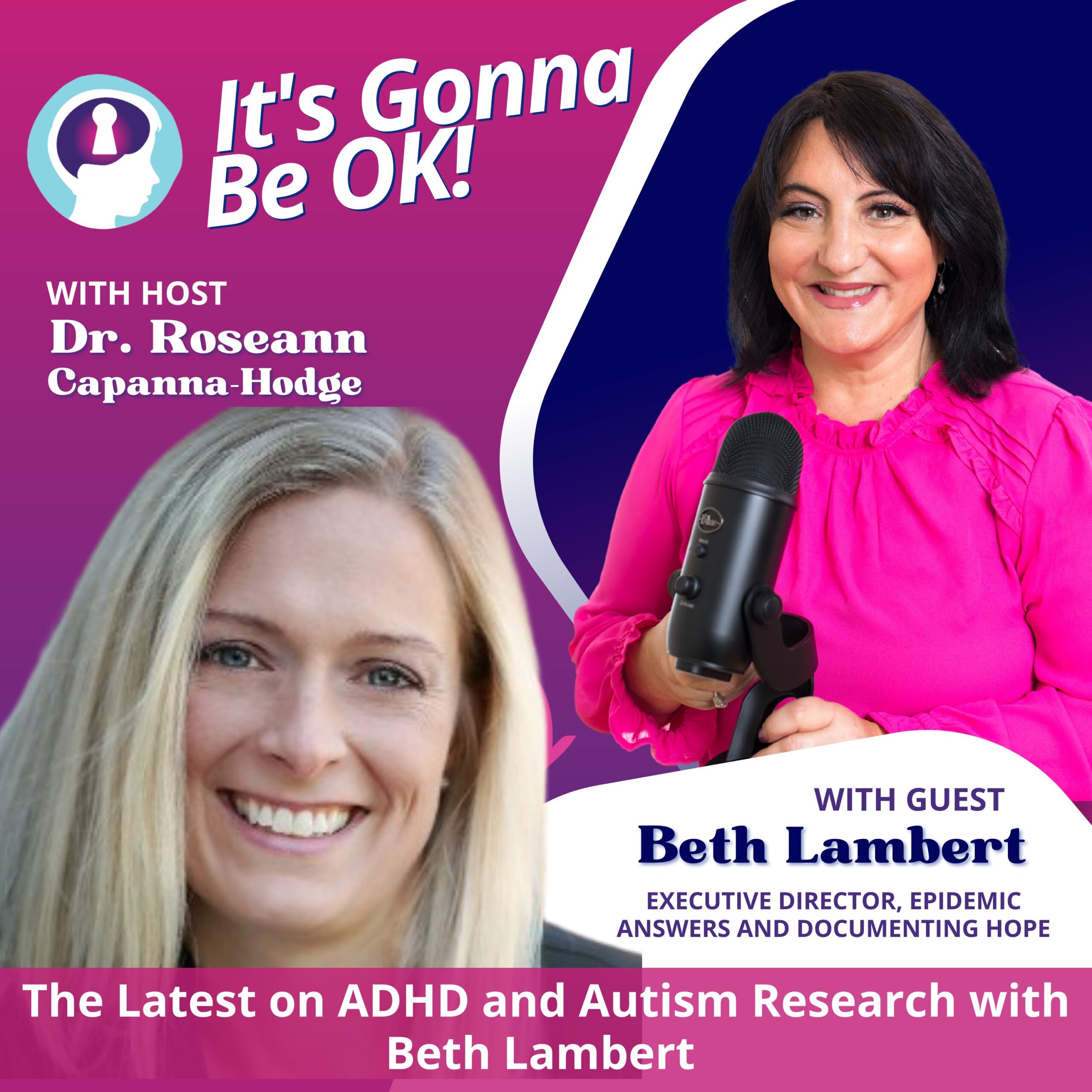
Beth Lambert discussing latest ADHD and autism research in podcast interview

Rising Autism and ADHD cases: with Beth Lambert | Emotional Dysregulation in Children | E240

Seeing more autism and ADHD diagnoses and feeling concerned? Discover why behavior is a signal, not the cause and what helps first. This episode with Dr. Roseann features Beth Lambert, Director of Documenting Hope, on reducing stress and supporting the nervous system.
Read More
Healthy and unhealthy foods impacting ADHD and autism symptoms in children

241: Diet for ADHD and Autism: Foods that Help and Hinder Symptoms

Discover the connection between diet and symptoms of ADHD and autism, and learn practical strategies to improve your child's well-being through informed food choices.
Read More
Parent guiding dysregulated child with positive behavior strategies for emotional regulation

Practical Strategies for Positive Behavior in Children | Regulation First Parenting™ | E239

Quick guide for overwhelmed parents: Here are science-backed strategies for positive behavior. They start with calming the brain, not correcting the child. In 5 minutes, you’ll learn how to spot under- vs. overstimulation, model calm, set clear boundaries, and coach your child toward self-regulation.
Read More

Dysregulated Kids Podcast

Emotional Dysregulation, Anxiety, and
Nervous System Solutions for Kids


If you feel like nothing is working and your child has constant meltdowns, big emotional reactions, or struggles to focus and follow through—you’re not imagining it.

And you’re not alone.

The Dysregulated Kids Podcast helps you understand what’s really driving your child’s behavior—through the lens of the nervous system.

Because behavior isn’t the problem. It’s the signal.

With over 30 years of clinical experience and insights from more than 10,000 brain maps, Dr. Roseann Capanna-Hodge teaches you how to:

● Support your child’s nervous system in real time
● Use co-regulation to reduce meltdowns and power struggles
● Build self-regulation skills that actually stick
● Improve focus, attention, and emotional control
● Every child gets dysregulated sometimes.

But when it’s frequent, intense, or hard to recover from, your child needs more than behavior strategies—they need nervous system support.

Each episode gives you clear, science-backed tools you can use immediately—so your child can be more regulated, and behavior, focus, and connection can finally improve.

What You’ll Find Inside the Podcast


If you’ve ever thought…“Why does my child go from calm to overwhelmed so fast?”
“Why won’t they listen—even when they know better?”
“Why do small things turn into big reactions?”

You’re in the right place.

Inside the Dysregulated Kids Podcast, we break down what’s really going on beneath the surface—and what actually helps.

You’ll learn how to support your child when they are:

● Melting down, shutting down, or having big emotional reactions
● Struggling to focus, stay organized, or follow through
● Feeling anxious, stuck in worries, or overwhelmed
● Reacting strongly to noise, transitions, or sensory input
● Pushing back, refusing, or getting easily frustrated
● Having a hard time at school—even when they’re smart
● Needing more connection, support, and co-regulation
● Stuck in patterns that feel exhausting for both of you

And most importantly…You’ll learn how to calm the nervous system first, so behavior, focus, and emotional control can finally improve.

Dysregulated Kids Podcast FAQ

How can I help my dysregulated child calm down?
Is this podcast right for my child’s behavior?
Where should I start if I’m new to dysregulation?
Is it normal for kids to be dysregulated sometimes?
How do I know if my child is dysregulated?
Is this podcast only for kids with ADHD or anxiety?
Will I get strategies I can use right away?
What topics do you cover?
How is this different from other parenting podcasts?

About Dr. Roseann

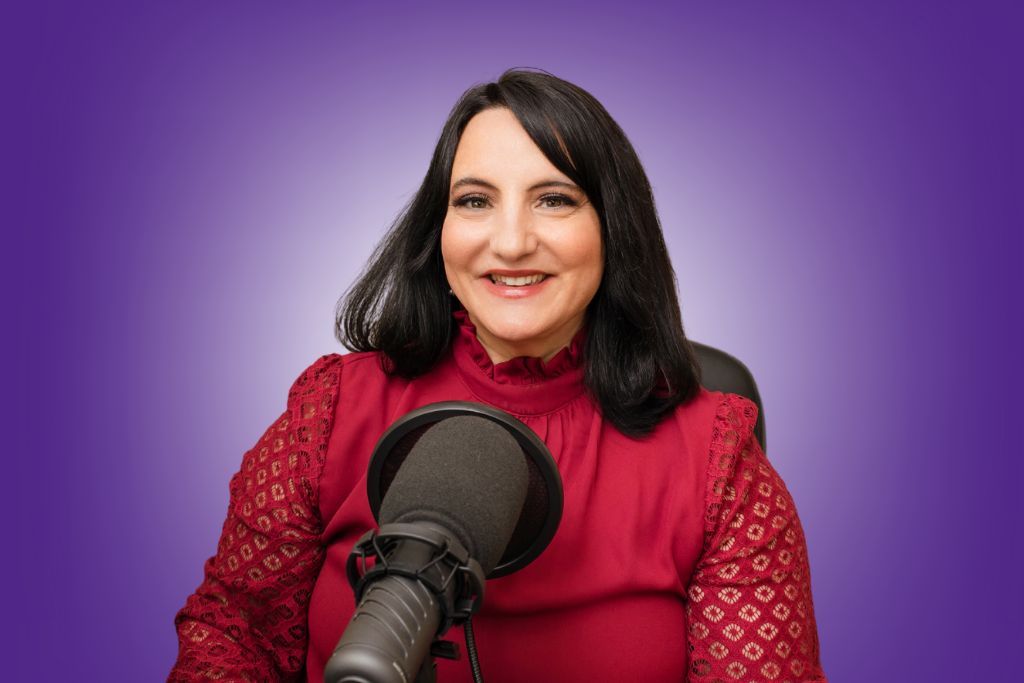
Dr. Roseann Capanna-Hodge is a licensed therapist, certified school psychologist, and parent of neurodivergent kids who has spent over 30 years helping families understand one powerful truth:

Behavior isn’t the problem—it’s a signal from the nervous system.When kids melt down, shut down, or struggle to focus, it’s not because they won’t do better.

It’s because, in that moment, they can’t.Through her work with thousands of families — and insights from more than 10,000 brain maps—Dr. Roseann teaches parents how to calm the brain first so real change can happen.

She is the creator of Regulation First Parenting®, a science-backed approach that helps you:
Stay calm and grounded—even in the hardest moments
Support your child’s nervous system in real time
Reduce meltdowns, anxiety, and power struggles
Build lasting self-regulation, focus, and resilience

Her approach is practical, compassionate, and designed for real life—because parenting a dysregulated kid isn’t about doing more…It’s about doing what actually works.Because kids don’t need to be fixed.

They need nervous systems that feel safe enough to regulate.

Not sure where to start?

Take the Solution Matcher Quiz and discover what your child’s nervous system actually needs. Finally understand what your child needs—and what to do next.

get your child's plan