Find Your Solution
In 3 minutes, you’ll know where to start ➤
%20.png)





[embed]https://player.captivate.fm/episode/ec0fa8fd-f311-4873-b7b5-35c08dcfde8c[/embed]
Estimated Reading Time: 5 minutes
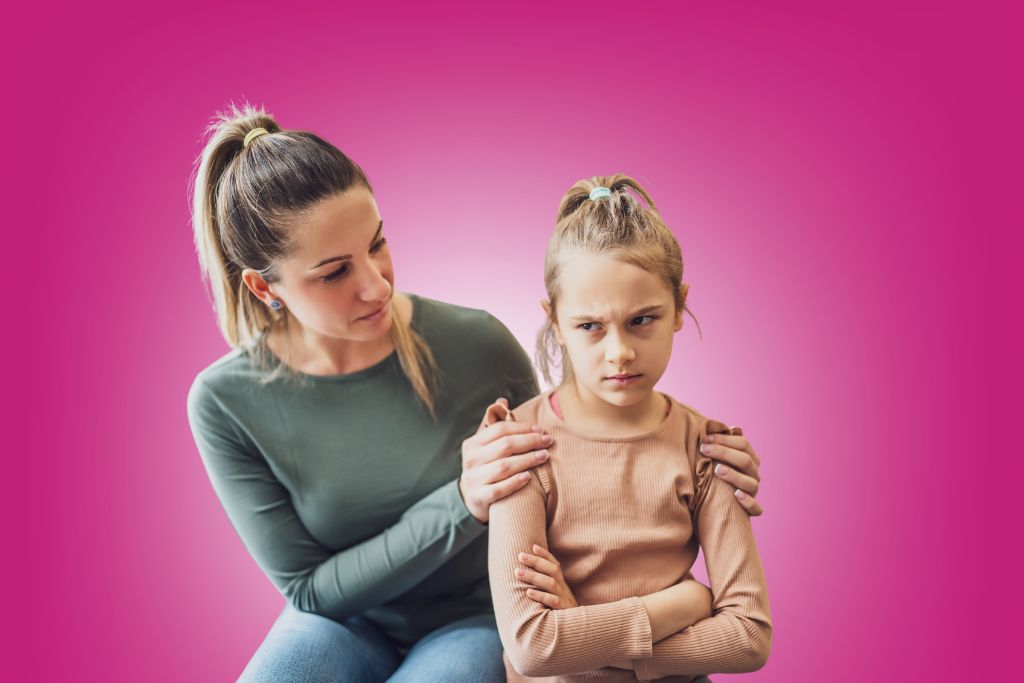
If homework time feels like a daily power struggle, you’re not imagining it—and you’re not failing as a parent. I see this constantly, whether a child is five or seventeen. Homework difficulties are one of the biggest reasons schools call me in, and the truth is simple: a dysregulated brain can’t produce focused work. Today, I’m decoding why kids resist homework and showing you practical, brain-based ways to help them self-regulate enough to get it done—without yelling, bribing, or melting down.
Many kids are done by the time they get home. They’ve been learning, masking, and holding it together all day.Common drivers of shutdown include:
I often tell parents: resistance to something hard is human—not defiance.
Absolutely. Kids with ADHD, LD, anxiety, or autism work harder just to get through the day.What that looks like:
By homework time, their nervous system is already maxed out—which is why Regulation First Parenting™ matters so much here.
Yes, and this surprises many families. ADHD medications can create rebound effects when they wear off.Watch for:
This is one of the most overlooked causes of homework difficulties. Kids may sit in class but still not know where to start.Try this instead of correcting:
Executive functioning breaks down under stress, even in very bright kids.
Routine is everything. Without it, homework becomes negotiable—and conflict explodes.Helpful structure includes:
When your child is dysregulated, it’s easy to feel helpless. The Regulation Rescue Kit gives you the scripts and strategies you need to stay grounded and in control. Become a Dysregulation Insider VIP at www.drroseann.com/newsletter and get your free kit today.

️ “Homework refusal isn’t about motivation—it’s about nervous system overload.” — Dr. Roseann
If homework struggles are constant, it’s time to loop in the team.Take action when:
Call a meeting. Use the IEP or 504. Don’t let this drag on.
Homework difficulties ease when you stop fighting behavior and start regulating the brain. With structure, clarity, and nervous system support, homework doesn’t have to define your evenings. For deeper insight into task initiation and follow-through, listen to Why ADHD Kids Can’t Get Anything Done. You’re not stuck—and calmer nights are possible.
School provides structure and external regulation; home requires self-regulation, which is harder for dysregulated kids.
No. It’s usually overwhelm, fatigue, or executive functioning breakdown.
Ideally no more than 30–60 minutes total, depending on age and needs.
Many kids need co-regulation first—gradually fading support as skills build.Not sure where to start? Take the guesswork out of helping your child.Use our free Solution Matcher to get a personalized plan based on your child’s unique needs—whether it’s ADHD, anxiety, mood issues, or emotional dysregulation. In just a few minutes, you'll know exactly what support is right for your family. Start here: www.drroseann.com/help
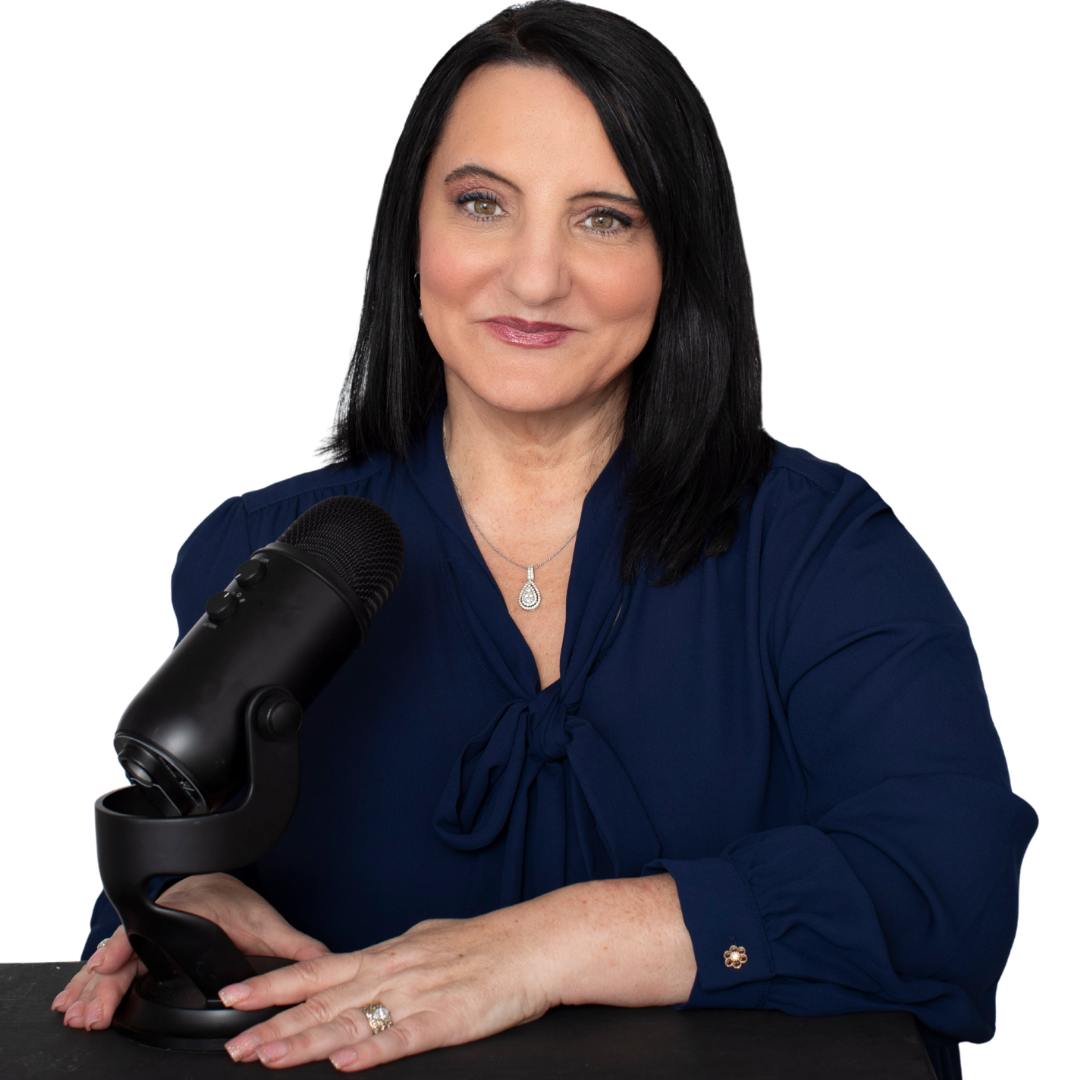
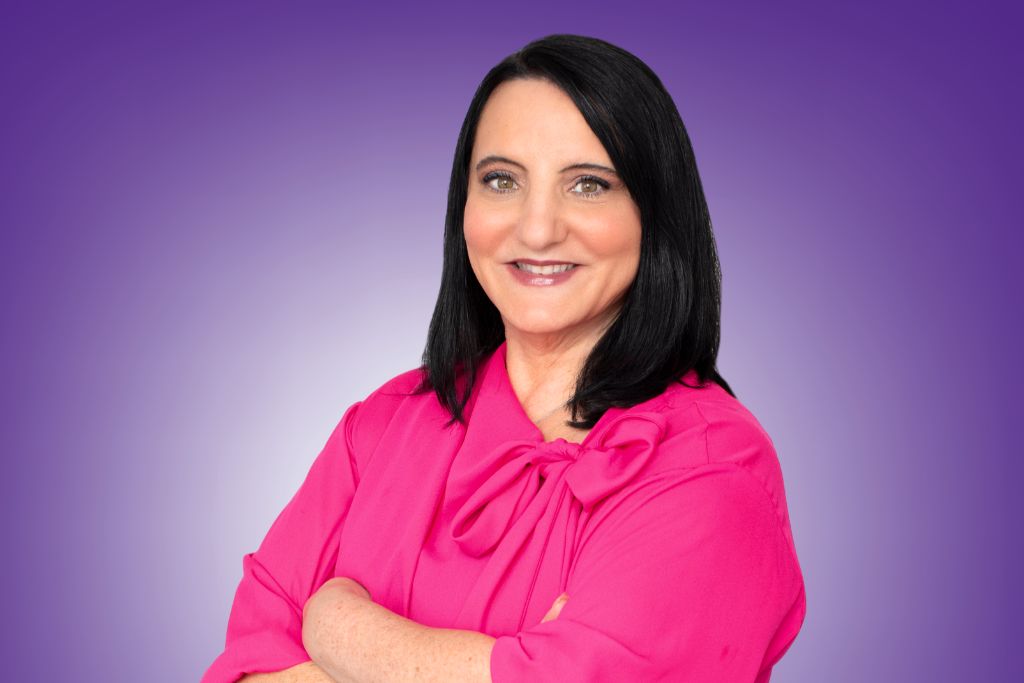
Dr. Roseann Capanna-Hodge is a licensed therapist, certified school psychologist, and leading expert in emotional dysregulation in children. With over 30 years of experience, she helps parents understand the root causes of meltdowns, anxiety, ADHD, and challenging behavior through the lens of nervous system regulation. Dr. Roseann teaches practical, science-backed strategies for co-regulation and how to calm a dysregulated child using her Regulation First Parenting™ approach. She is the host of the Dysregulated Kids Podcast and author of The Dysregulated Kid.
Dr. Roseann Capanna-Hodge
Emotional Dysregulation in Children & Nervous System Expert
Regulation First Parenting™ | CALMS Protocol™
Host of the Dysregulated Kids Podcast (Top 1% Globally)
Author of The Dysregulated Kid