Find Your Solution
In 3 minutes, you’ll know where to start ➤
%20.png)





Estimated Reading Time: 5 minutes
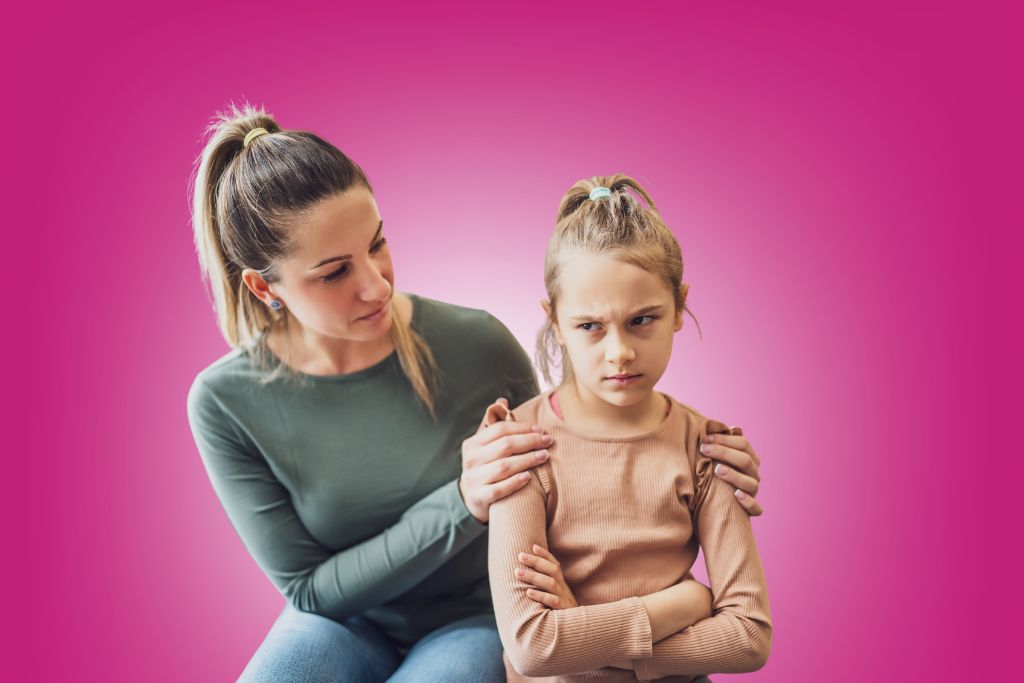
Parents are often told that medication is the only solution for ADHD. But few are warned about the potential consequences for a developing brain. Let's learn why medicating too quickly can cause more harm than good and how holistic, brain-based therapies can support nervous system regulation in children, reduce emotional dysregulation in children, and help a dysregulated child create lasting change.
Many children who take ADHD medication experience side effects. The most common are irritability, sleep disruption, and loss of appetite, a combination that prevents the brain from functioning at its best.
Because a dysregulated brain needs support, not suppression.
Key takeaways:
Example: One parent noticed her son became moody and sleepless after starting stimulants. Once they switched to Neurofeedback and nutrition support, his focus improved, without the crash.
Many children I see with “ADHD” have underlying issues that are often missed. Their attention issues stem from learning disabilities, trauma, or sensory overload. QEEG brain maps reveal that many so-called ADHD brains are simply dysregulated.
Key takeaways:
It’s not bad parenting, it’s a dysregulated brain. When we calm the brain, behavior changes naturally.
Stimulants may help short term but can cause structural brain changes linked to emotional and behavioral issues. Some kids even experience psychosis, cardiac problems, or seizures.
🗣️ “Medication shouldn’t be our first step with a developing brain, it should be our last.” — Dr. Roseann
Medication may reduce symptoms, but it doesn’t teach the brain how to regulate.
Key takeaways:
Holistic therapies calm the nervous system and teach the brain how to regulate itself—without side effects.
Effective options include:
When your child is dysregulated, it’s easy to feel helpless.
The Regulation Rescue Kit gives you the tools to stay calm and guide your child through tough moments.
Get your free kit at www.drroseann.com/newsletter.
Start with Regulation First Parenting™—Regulate, Connect, Correct.™
Calm your child’s brain first, build trust, then guide behavior.
Key takeaways:
The risk of ADHD medications isn’t just about side effects—it’s about missing the opportunity to help your child’s brain heal naturally. When we choose regulation over reaction, we give our children the tools to learn, focus, and feel better for life.
To learn more about how natural approaches work, listen to my episode, “Neurofeedback for ADHD.” You’re not alone. Let’s calm the brain first—it’s gonna be OK.
Yes. Stimulants can change brain structure and function over time.
Focus improves naturally once the brain is calm and regulated.
Yes. Neurofeedback, nutrition, and behavioral support work safely and sustainably.
Not always. A QEEG brain map can reveal if ADHD is truly the issue.
Never. The brain can change at any age with the right support.
Every child’s journey is different. That’s why cookie-cutter solutions don’t work.
Take the free Solution Matcher Quiz and get a customized path to support your child’s emotional and behavioral needs—no guessing, no fluff.
Start today at www.drroseann.com/help
Dr. Roseann Capanna-Hodge is a licensed therapist, certified school psychologist, and leading expert in emotional dysregulation in children. With over 30 years of experience, she helps parents understand the root causes of meltdowns, anxiety, ADHD, and challenging behavior through the lens of nervous system regulation. Dr. Roseann teaches practical, science-backed strategies for co-regulation and how to calm a dysregulated child using her Regulation First Parenting™ approach. She is the host of the Dysregulated Kids Podcast and author of The Dysregulated Kid.
Dr. Roseann Capanna-Hodge
Emotional Dysregulation in Children & Nervous System Expert
Regulation First Parenting™ | CALMS Protocol™
Host of the Dysregulated Kids Podcast (Top 1% Globally)
Author of The Dysregulated Kid