Find Your Solution
In 3 minutes, you’ll know where to start ➤
%20.png)





Estimated Reading Time: 8 Minutes
One of the most common questions parents ask is:
What's happening in my child's brain?
When children struggle with behavior, emotions, attention, learning, anxiety, or emotional outbursts, it can be difficult to understand why they're reacting the way they do.
Many parents assume their child is being oppositional, lazy, dramatic, or intentionally difficult.
But what if the behavior is actually a reflection of what's happening inside their nervous system?
The more we understand the brain, the more effective we become at helping children regulate, learn, and thrive.
In this episode, we explore how neuroscience helps explain behavior and why understanding what's happening in my child's brain is often the missing piece in helping struggling children.
Because behavior always has a reason.
Children don't wake up and decide to struggle.
Behavior is communication.
When children have difficulty regulating emotions, paying attention, following directions, managing stress, or controlling impulses, their brains are giving us important information.
The challenge is that most parents—and even many educators—aren't taught how behavior connects to brain function.
Understanding the brain helps explain:
When we understand the "why" behind the behavior, we can choose more effective interventions.
Instead of reacting, we begin responding.
Real-Life Example
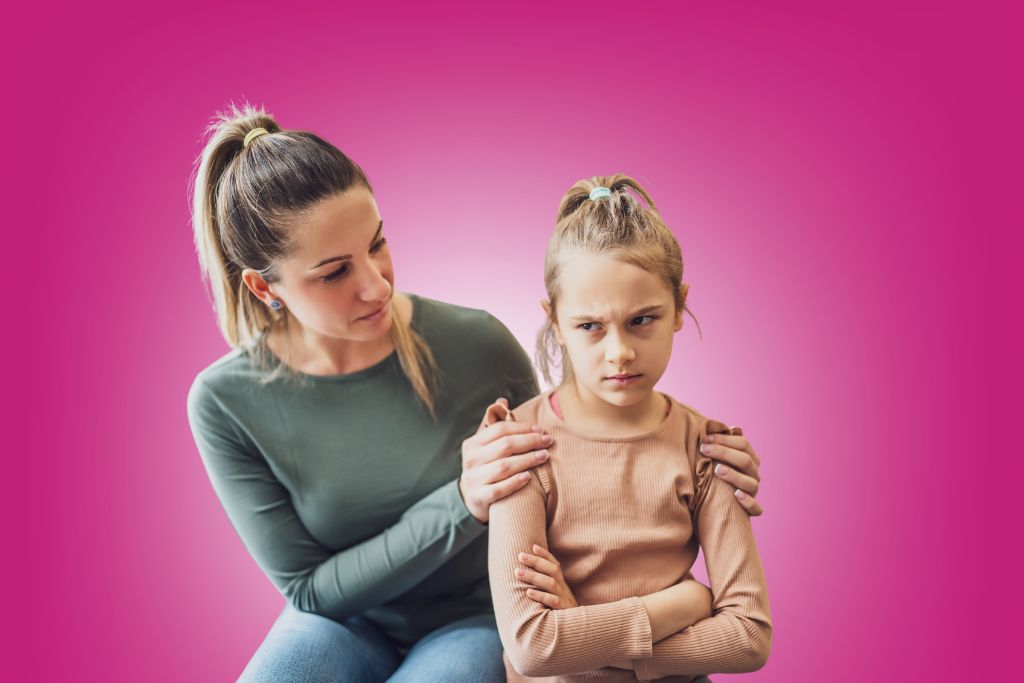
A child who refuses to complete homework may not be lazy. They may be overwhelmed, anxious, dysregulated, or struggling with executive functioning skills.
One of the most important concepts parents need to understand is the stress response.
When the brain perceives danger—whether real or imagined—it activates the sympathetic nervous system.
This is often called:
In survival mode, the brain shifts its focus from learning and problem-solving to protection.
Children may respond by:
The brain believes it is helping.
The problem is that learning, reasoning, and emotional regulation become much harder while the brain is activated.
As I often say, calm the brain first, everything else follows.
For some children, the brain becomes so accustomed to operating in survival mode that it starts treating stress as the default setting.
When this happens, the nervous system becomes stuck in a habitual pattern.
Children may begin showing:
The good news is that habits can be unlearned.
The brain has an incredible ability to change through neuroplasticity.
But first, we need to understand what's causing the pattern.
Real-Life Example
A child who repeatedly experiences stress may begin reacting strongly to even minor challenges because their nervous system has learned to stay on high alert.
Parents often become frustrated when children don't seem to learn from consequences, reminders, or repeated instruction.
The reason is simple.
A dysregulated brain struggles to learn.
When children are highly activated, they have difficulty accessing:
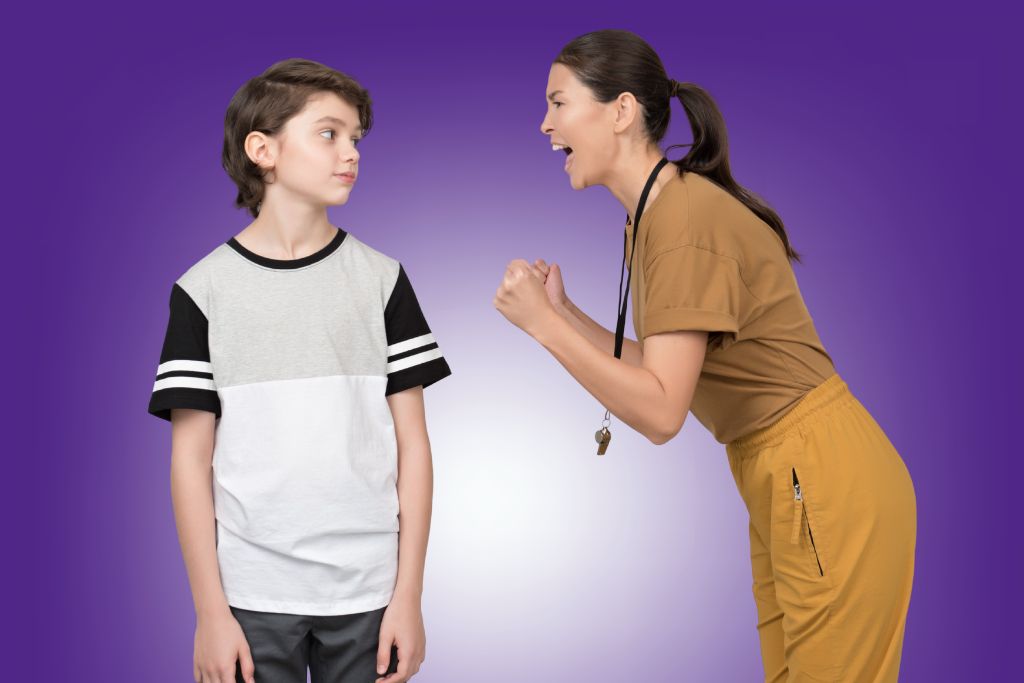
This is why lectures rarely work during meltdowns.
The brain is focused on survival—not learning.
Children need regulation before they can absorb information.
The calmer the brain becomes, the more available it is for growth and learning.
One of the most powerful things parents can do is become detectives.
Instead of focusing only on behavior, ask:
The goal is not to judge the behavior.
The goal is to understand it.
When parents become curious instead of reactive, they gain valuable insight into what is driving their child's struggles.
Real-Life Example
A child who always melts down after school may not have a behavior problem. They may be exhausted from managing stress, sensory input, learning demands, and social interactions throughout the day.
One of the hardest parts of parenting is staying regulated when your child isn't.
When children are struggling, parents often become activated too.
This makes it harder to:
That's why the first step is often regulating yourself.
As I often say, your calm is the catalyst.
Children co-regulate with the adults around them.
The calmer you become, the easier it becomes for your child to regulate too.
Helping a child regulate starts with understanding that change takes time.
Supportive strategies include:
The goal isn't perfection.
The goal is progress.
Small changes in regulation often create big changes in behavior.
The Regulation Rescue Kit provides practical Regulation First Parenting™ tools that help reduce stress, improve emotional regulation, and create more peace at home. Become a Dysregulation Insider VIP and get your FREE kit: www.drroseann.com/newsletter
🗣️ “When we understand the brain behind the behavior, we stop asking, 'What's wrong with my child?' and start asking, 'What does my child need?'” — Dr. Roseann
Understanding what's happening in my child's brain changes everything.
What looks like difficult behavior is often a child struggling with stress, dysregulation, or nervous system overload.
The more we understand the brain, the better we can support growth, learning, and emotional well-being.
Become a detective.
Look beneath the behavior.
Focus on regulation first.
And remember, your child isn't giving you a hard time.
They're having a hard time.
Children who are dysregulated often experience everyday stressors as much bigger threats because their nervous system is operating in a heightened state.
The sympathetic nervous system activates the body's stress response, often called fight, flight, or freeze mode.
A dysregulated brain struggles with learning, reasoning, and executive functioning. Regulation must happen before meaningful learning can occur.
Yes. Chronic stress can significantly impact emotional regulation, attention, learning, behavior, and coping abilities.
Focus on nervous system regulation, emotional safety, coping skills, routines, sleep, and addressing underlying stressors.
Not sure where to start? Use the Solution Matcher to get personalized recommendations based on your child's emotional and behavioral needs. Start here: www.drroseann.com/help
Dr. Roseann Capanna-Hodge is a licensed therapist, certified school psychologist, and leading expert in emotional dysregulation in children. With over 30 years of experience, she helps parents understand the root causes of meltdowns, anxiety, ADHD, autism, learning differences, and challenging behavior through the lens of nervous system regulation. She is the creator of Regulation First Parenting™, host of the Dysregulated Kids Podcast, and author of The Dysregulated Kid.
Dr. Roseann Capanna-Hodge
Emotional Dysregulation in Children & Nervous System Expert
Regulation First Parenting™ | CALMS Protocol™
Host of the Dysregulated Kids Podcast (Top 1% Globally)
Author of The Dysregulated Kid