Find Your Solution
In 3 minutes, you’ll know where to start ➤
%20.png)





Estimated Reading Time: 5 minutes
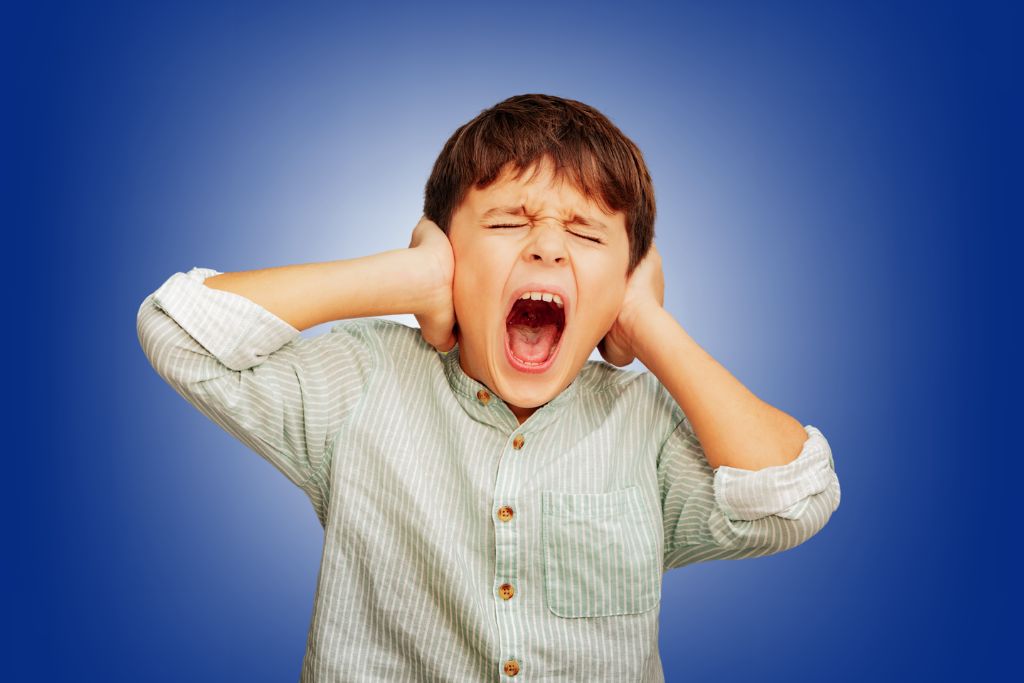
Feeling overwhelmed watching your child struggle with anxiety, focus, or sensory overload? You’re not alone. Many parents feel stuck when traditional approaches don’t seem to help.
In this episode, I break down what is PEMF therapy good for, how it works at a cellular level to calm the nervous system, restore balance, and support your child’s attention, mood, and overall well-being. You’ll learn how PEMF can complement other therapies, improve sleep, reduce stress, and even support learning.
Attention challenges often stem from an overstimulated nervous system, not a lack of effort. Brain dysregulation can make even simple tasks feel impossible.
PEMF therapy helps by:
Tips:
Parent Story: A mom shared that her 10-year-old went from constant distractions to completing reading assignments with fewer meltdowns after consistent use of calm PEMF protocols.
Yes. PEMF can reset the nervous system, moving kids out of fight, flight, or freeze states. By calming the overactive brain, it helps regulate cortisol and reduces physical symptoms of stress, like chest tightness or stomachaches.
Tips:
Parent Story: One dad noticed his daughter, prone to evening meltdowns, started relaxing within 10–15 minutes of PEMF use, making bedtime smoother.
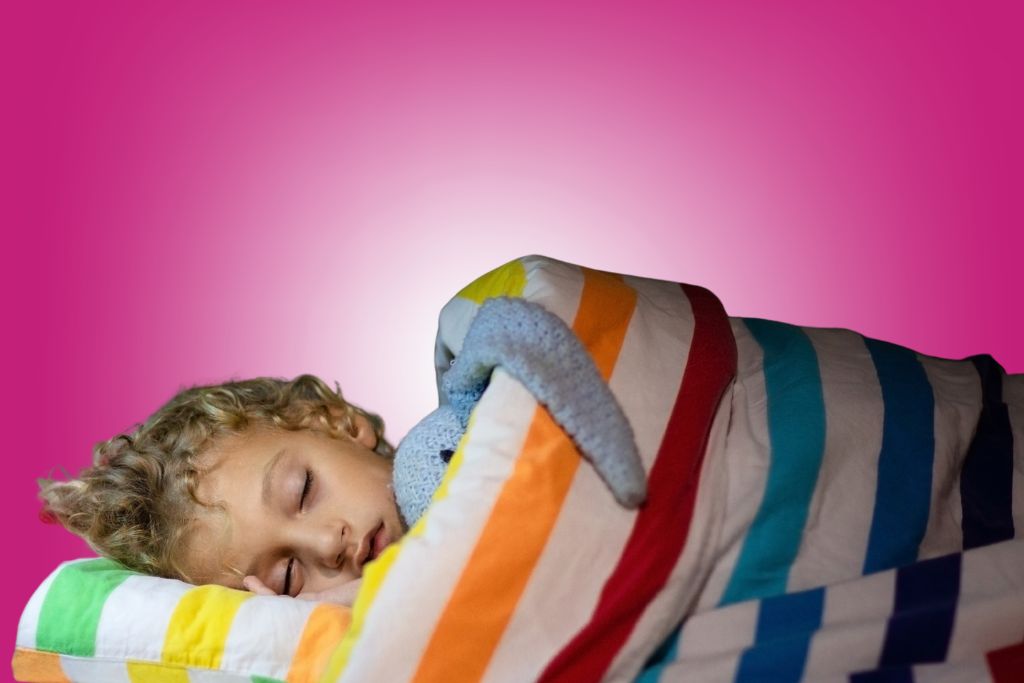
PEMF improves sleep quality by relaxing the body and supporting circadian rhythms. A well-rested nervous system means better emotional regulation in children and reduced sensory overload.
Tips:
Real-Life Scenario: Parents report reduced nighttime restlessness and improved morning mood when sleep-focused PEMF protocols are introduced.
Absolutely. PEMF increases circulation, boosts oxygen to tissues, and reduces the fear response that amplifies pain. This helps the body heal faster and reduces discomfort naturally.
Tips:
Consistency is key for a dysregulated child. Small daily sessions—paired with parental stress and dysregulation management—create a rhythm that helps the nervous system self-calm.
Try:
These examples show how PEMF supports nervous system regulation in children while complementing behavioral and emotional tools.

🗣️ “It’s not bad parenting, it’s a dysregulated brain. PEMF gives you a tool to calm the nervous system first, so attention, mood, and learning can follow.” — Dr. Roseann
PEMF therapy offers a natural, non-invasive approach to help your child regulate emotions, focus better, sleep deeper, and manage stress. It’s gonna be OK. By addressing the root causes of dysregulation, PEMF opens the door to lasting change.
Learn more and explore portable PEMF options designed for families here: https://drroseann.com/calmpemf/
Yes, for most kids it’s safe, but consult a doctor if your child has a pacemaker or other medical device.
Many families notice subtle improvements in focus or calm within days, but consistent use over weeks gives the best results.
PEMF complements therapies but should not replace prescribed medication without guidance from your child’s doctor.
Short daily sessions, tailored to your child’s needs, work best. Start small and adjust as you see progress.
Yes. By supporting attention, executive function, and brain wave balance, PEMF helps children engage and learn more effectively.
Not sure where to start? Take the guesswork out of helping your child.Use our free Solution Matcher to get a personalized plan based on your child’s unique needs—whether it’s ADHD, anxiety, mood issues, or emotional dysregulation. In just a few minutes, you'll know exactly what support is right for your family.
Start here: www.drroseann.com/help
Dr. Roseann Capanna-Hodge is a licensed therapist, certified school psychologist, and leading expert in emotional dysregulation in children. With over 30 years of experience, she helps parents understand the root causes of meltdowns, anxiety, ADHD, and challenging behavior through the lens of nervous system regulation. Dr. Roseann teaches practical, science-backed strategies for co-regulation and how to calm a dysregulated child using her Regulation First Parenting™ approach. She is the host of the Dysregulated Kids Podcast and author of The Dysregulated Kid.
Dr. Roseann Capanna-Hodge
Emotional Dysregulation in Children & Nervous System Expert
Regulation First Parenting™ | CALMS Protocol™
Host of the Dysregulated Kids Podcast (Top 1% Globally)
Author of The Dysregulated Kid