Find Your Solution
In 3 minutes, you’ll know where to start ➤
%20.png)





Estimated reading time: 4 minutes
When your child suddenly spirals, deep anxiety, rage, OCD rituals, tics, or school refusal, it can feel terrifying. You’re doing everything you can, yet nothing makes sense. So many parents miss early signs of pans pandas because they look exactly like ADHD, anxiety, or sensory issues.
This episode breaks down what these conditions really look like, why they’re so often misdiagnosed, and how recognizing symptoms early can help you get your child the right support. You’ll learn the top 10 signs, why these behaviors appear overnight, and what to do next.
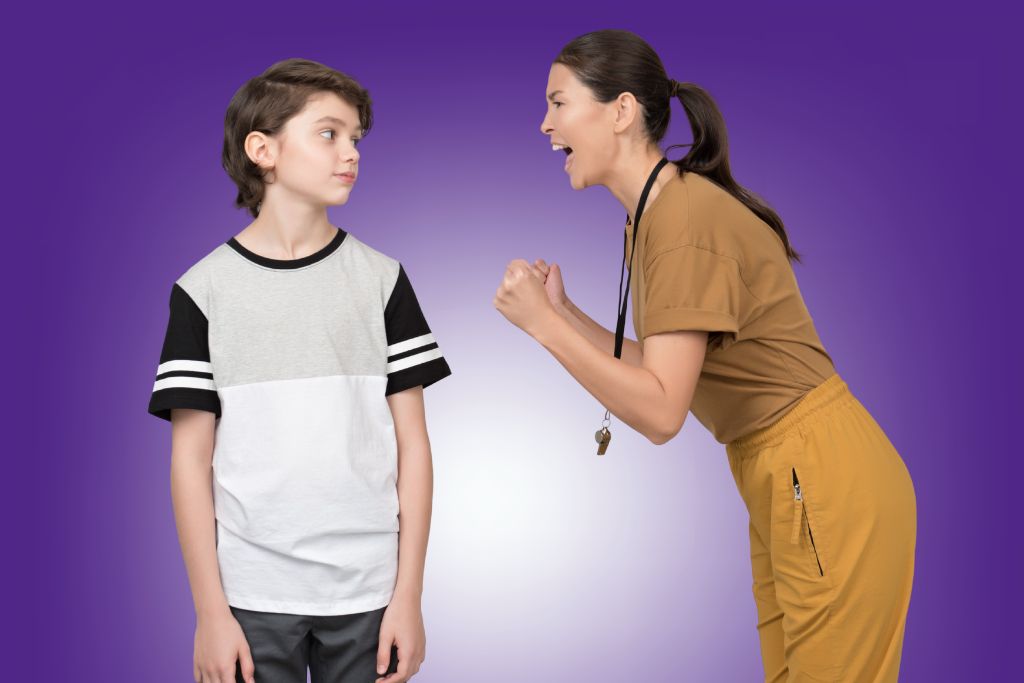
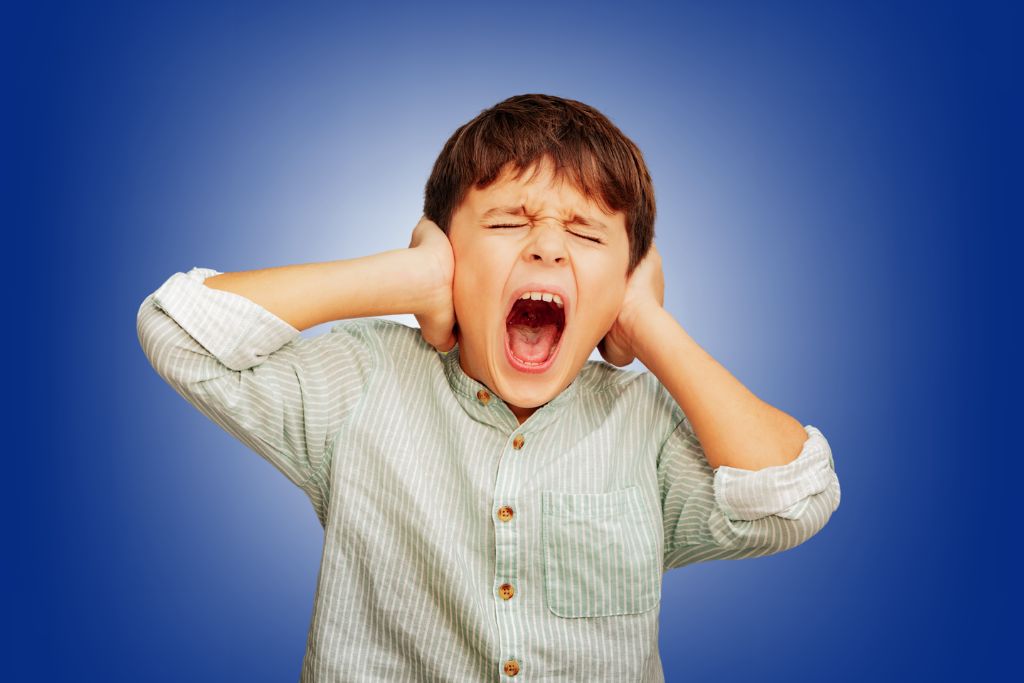
Sudden, dramatic behavioral shifts are one of the clearest signs of PANS/PANDAS. Kids who were functioning well can become almost unrecognizable in a single day.
This can look like:
Parent Story
A parent described their child as “fine on Friday, and a different kid by Monday”, panicked, tearful, unable to sleep. That kind of rapid shift is a hallmark of neuroinflammation.
Takeaway: Behavior is communication. When it changes this suddenly, the brain is under stress.
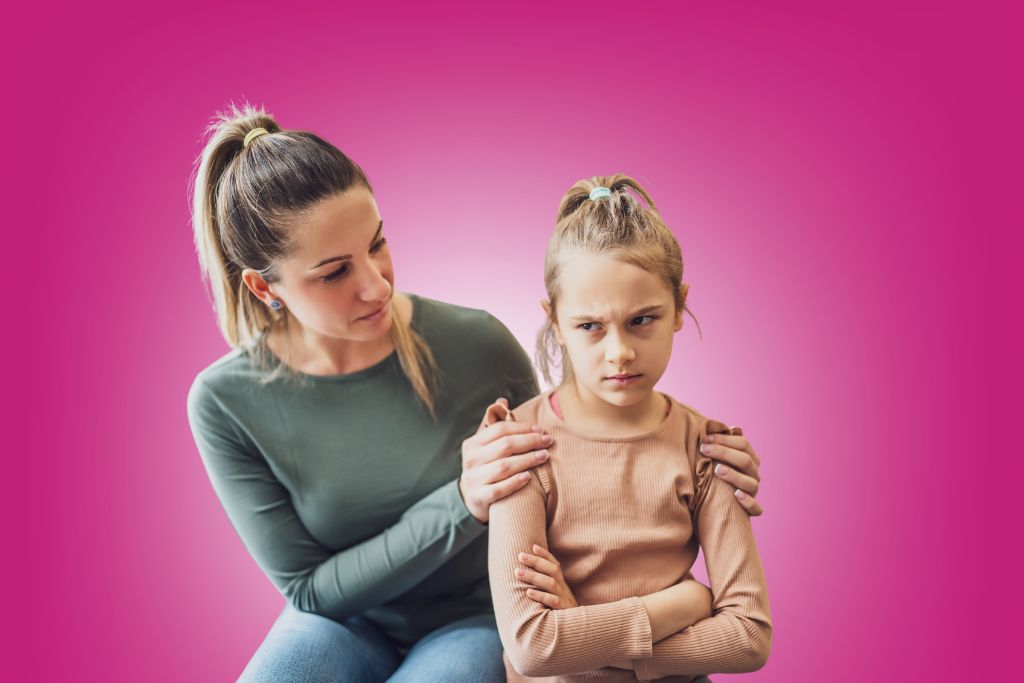
Yes, anxiety and OCD are among the most commonly overlooked symptoms. They often appear before tics or physical symptoms.
Signs include:
Why it matters:
Kids often can’t verbalize their distress, so anxiety becomes the first “clue” that inflammation is affecting the brain.
You don’t have to figure this out alone.
Become a Dysregulation Insider VIP and get your FREE Regulation Rescue Kit: How to Stay Calm When Your Child Pushes Your Buttons and Stop Oppositional Behaviors.
Head to www.drroseann.com/newsletter and start your calm parenting journey today.
Kids with PANS/PANDAS struggle to return to baseline. Their nervous system is stuck, even in safe situations.
Common signs:
Real-Life Example
A child who was usually easygoing suddenly can’t handle transitions, like stopping a game or getting dressed. Parents often assume it’s “behavioral,” but it’s really a dysregulated brain calling for help.
Tip: Calm the brain first using co-regulation, deep pressure, or rhythmic movement.
Absolutely. Neurological and developmental changes are red flags.
Look for:
These aren’t “quirky phases”—they’re neurological symptoms of inflammation.
Takeaway: Sudden regression is never typical.
When a child has PANS/PANDAS, dysregulation can feel intense, sudden, and overwhelming. In my podcast, I share the exact strategies I use to help parents calm the nervous system, reduce emotional storms, and support healing during challenging moments.
• Understand the root of PANS/PANDAS dysregulation
• Use co-regulation to create safety and calm
• Reduce triggers that fuel emotional and behavioral symptoms
• Support nervous system healing with practical tools
This is one of the strongest indicators of PANS/PANDAS.
Patterns parents notice:
Real-Life ExampleA teen shared that every cold sent her spiraling into panic and OCD, but she’d stabilize once the infection cleared.
🗣️ “Behavior is communication. When symptoms appear suddenly or intensify overnight, we must look at what’s inflaming the brain, not blame the child or the parenting.” — Dr. Roseann
If your child’s behavior, mood, or learning has suddenly shifted, it isn’t your fault and your child isn’t “broken.” These may be signs of PANS/PANDAS, and with the right help, it’s gonna be OK.
Early intervention calms the brain, stops the cycle, and gets kids back to themselves.
➡️ Give your child the right support with our Natural PANS/PANDAS Kit, crafted to calm the brain and jump-start healing without medication.

PANS can be triggered by any infection or toxin; PANDAS is specifically tied to strep. Both cause sudden neuropsychiatric symptoms.
Yes—dysregulation, impulsivity, and inattention often mimic ADHD, leading to misdiagnosis.
Illness, stress, allergies, mold exposure, or toxins can all spark worsening symptoms.
Often overnight. Dramatic, sudden onset is a hallmark of these conditions.
Yes. With early, targeted treatment, kids can fully heal and regain emotional and cognitive stability.
Every child’s journey is different. That’s why cookie-cutter solutions don’t work.
Take the free Solution Matcher Quiz and get a customized path to support your child’s emotional and behavioral needs—no guessing, no fluff.
Start today at www.drroseann.com/help
Dr. Roseann Capanna-Hodge is a licensed therapist, certified school psychologist, and leading expert in emotional dysregulation in children. With over 30 years of experience, she helps parents understand the root causes of meltdowns, anxiety, ADHD, and challenging behavior through the lens of nervous system regulation. Dr. Roseann teaches practical, science-backed strategies for co-regulation and how to calm a dysregulated child using her Regulation First Parenting™ approach. She is the host of the Dysregulated Kids Podcast and author of The Dysregulated Kid.
Dr. Roseann Capanna-Hodge
Emotional Dysregulation in Children & Nervous System Expert
Regulation First Parenting™ | CALMS Protocol™
Host of the Dysregulated Kids Podcast (Top 1% Globally)
Author of The Dysregulated Kid