Find Your Solution
In 3 minutes, you’ll know where to start ➤
%20.png)





Estimated Reading Time: 6 minutes
If your child is anxious, unfocused, wired at bedtime, or constantly melting down, you’re probably wondering what you’re missing. You’re not alone. In this episode, I break down why kids’ brains are under more stress than ever and why one simple, science-backed supplement can make a meaningful difference when we calm the brain first. You’ll learn how stress, lifestyle, and nervous system overload impact your child’s behavior, why supplements aren’t “extra” support and which nutrient I consistently see help kids with ADHD, anxiety, OCD, and emotional dysregulation.
Today’s kids are living in a world filled with stressors. Academic pressure, social media, sleep deprivation, sensory overload, and nutrient deficiencies all impact the nervous system. Over time, these stressors push kids into fight, flight, or freeze mode.
When the nervous system is stuck in survival mode, behavior changes fast.
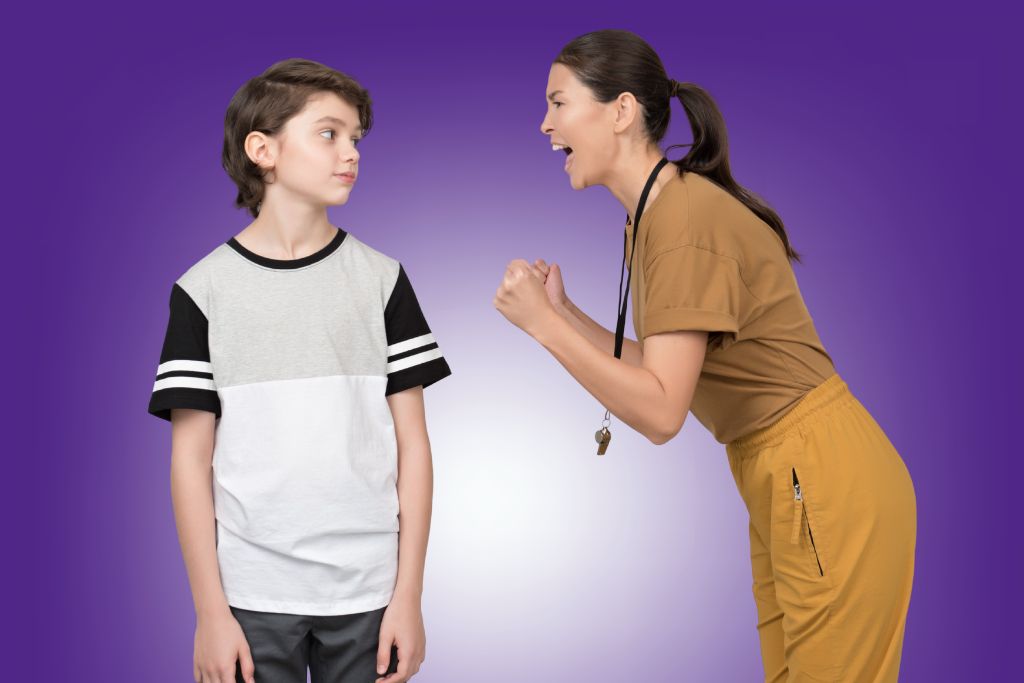
Behavior is communication. What many parents see as “bad behavior” is often a stressed nervous system asking for support.
One mom shared that her son melted down every evening after school. Homework became a battle, bedtime stretched for hours, and everyone in the house felt exhausted. Once she started focusing on calming his nervous system instead of correcting every behavior, things slowly shifted. Supporting his magnesium levels became one part of that regulation-first approach.
If I had to pick one, it’s magnesium. Hands down. Parents tell me all the time they wish they’d known about it sooner because of how quickly they saw changes.
Why magnesium matters:
Magnesium is truly the workhorse of the brain. When the nervous system is activated, the body diverts resources away from learning and regulation. Magnesium helps bring the system back into balance.

When the brain is stressed, resources shift away from learning, emotional control, and executive functioning. Magnesium helps support the nervous system so the brain can regulate more effectively.
This form is calming and gentle on the stomach. It is often helpful for:
This form crosses the blood-brain barrier and supports cognition and focus.
It may help with:
These forms are commonly used to support kids with ADHD, OCD, intrusive thoughts, and emotional dysregulation in children.
It’s not bad parenting. It’s a dysregulated brain.
Every child is different, and supplementation should always be individualized with guidance from a healthcare provider.
Magnesium works best when paired with healthy lifestyle habits and a nervous system reset for children.
Magnesium is powerful, but true healing happens when we support the entire nervous system.
Supplements should work alongside a Regulation First Parenting™ approach that focuses on calming before correcting.
Your child is borrowing your nervous system. When you regulate first, they feel safer.
A parent shared that once she focused on regulating herself before responding to her daughter’s anxiety, their entire evening dynamic changed. Magnesium helped support calmer sleep, but co-regulation helped the nervous system feel safe.
That combination changed everything.
When parents care for their own nervous systems, kids feel it. Your calm becomes their calm. It’s gonna be OK.
“Magnesium is the workhorse of the brain. When we calm the nervous system, the brain can finally do its job.” — Dr. Roseann
Your child isn’t broken—their brain is overloaded. When we support the nervous system with the right nutrients and habits, real change is possible.If you want to go deeper, check out our Neurotastic™ Multi-Mag Brain™ Formula and learn how to build a calmer brain from the inside out.
Yes, when used appropriately and with provider guidance. Choose well-studied forms like glycinate or L-threonate.
Absolutely. Magnesium supports relaxation and can improve sleep onset and quality.
Some families notice calming effects quickly, but consistency matters for lasting benefits.
No. It supports regulation so other therapies can work better.
Not sure where to start? Take the guesswork out of helping your child.
Use our free Solution Matcher to get a personalized plan based on your child’s unique needs—whether it’s ADHD, anxiety, mood issues, or emotional dysregulation. In just a few minutes, you'll know exactly what support is right for your family.
Start here: www.drroseann.com/help
Dr. Roseann Capanna-Hodge is a licensed therapist, certified school psychologist, and leading expert in emotional dysregulation in children. With over 30 years of experience, she helps parents understand the root causes of meltdowns, anxiety, ADHD, and challenging behavior through the lens of nervous system regulation. Dr. Roseann teaches practical, science-backed strategies for co-regulation and how to calm a dysregulated child using her Regulation First Parenting™ approach. She is the host of the Dysregulated Kids Podcast and author of The Dysregulated Kid.
Dr. Roseann Capanna-Hodge
Emotional Dysregulation in Children & Nervous System Expert
Regulation First Parenting™ | CALMS Protocol™
Host of the Dysregulated Kids Podcast (Top 1% Globally)
Author of The Dysregulated Kid