Find Your Solution
In 3 minutes, you’ll know where to start ➤
%20.png)





Parents often blame behavior, attention issues, or anxiety for their child’s hard days, but sleep is one of the biggest regulation anchors. When a child isn’t getting the deep, restorative sleep they need, their nervous system can’t reset, the same pattern we often see in kids with everyday dysregulation. In this episode, you’ll learn why sleep plays such a powerful role in emotional balance and what you can do tonight to help your child rest easier.
Even one night of poor sleep can dysregulate a child’s nervous system. Their brain misses the chance to detox, reorganize, and reset, leading to irritability, impulsivity, and trouble managing emotions.Key takeaways:
Real-life example: A parent notices their teen exploding over small frustrations on school mornings, only to realize bedtime has slipped later and later.
Screens are the biggest bedtime disruptor. Even 20 minutes of evening screen time can overstimulate the nervous system and suppress melatonin. Tips that help:
Kids with sensory needs often struggle to settle down. A calming, sensory-informed bedtime routine helps signal the brain that it’s time to rest, especially for children who show sensory-driven behaviors throughout the day. Try adding:
Yes, magnesium alone supports over 300 processes in the body, including relaxation and focus. Most helpful option
Check out the Neurotastic Multi-Mag Brain® Formula, the magnesium blend I specifically created for dysregulated kids to support calmer nights and more restful sleep.
You don’t have to figure this out alone.Become a Dysregulation Insider VIP and get your FREE Regulation Rescue Kit: How to Stay Calm When Your Child Pushes Your Buttons and Stop Oppositional Behaviors.
Start your calm parenting journey at www.drroseann.com/newsletter
Kids need a simple, consistent comfort plan so they know exactly what to do before calling for you.Teach them to:
Practice these steps daily for 30 days to create real change.
🗣️ “Sleep is the time when the brain resets, detoxes, and reorganizes, without it, kids can’t regulate, learn, or behave the way we expect.”— Dr. Roseann
Structured routines aren’t just for behavior, they help stabilize the nervous system regulation in children. Predictable sequences give the brain cues that it’s safe to shift out of stress mode, making self-regulation more accessible.
Practical Tips for Parents:
Parent Story:
A family implemented a short, predictable after-school routine with a snack and 10-minute movement reset. Within two weeks, the child’s irritability and meltdowns decreased significantly.
Takeaway: Routine is a scaffold that allows a dysregulated child to practice skills without triggering fight-or-flight responses.
Sleep is a cornerstone for cognitive function, attention, and emotional regulation. A calm, sensory-friendly environment promotes restorative sleep and reduces emotional dysregulation in children.
Tips for a Calm Bedroom:
Parent Example:
One teen struggled with evening hyperactivity and frequent meltdowns. Introducing a weighted blanket, dim lighting, and a 15-minute guided breathing routine helped her fall asleep faster and improved focus the next day.
Takeaway: Supporting sleep is essential for a Dysregulated Child. When the brain can rest and detox, daytime behaviors, focus, and learning improve naturally.
Sleep isn’t just a nighttime issue, it shapes your child’s emotional regulation all day long. With consistent routines, sensory support, and better sleep habits, your child’s brain can finally catch up and calm down. You’re not alone, and with small steps, things can get better.
Want more tools? Explore our related resource on how dysregulation affects sleep to support calmer evenings and smoother mornings.
You don’t need to be a perfect parent; you just need a roadmap that actually works for a dysregulated nervous system. Grab your copy of The Dysregulated Kid and bring peace back to your home tonight
.png)
Most children need 9–12 hours, depending on age. Teens often need more than parents realize.
Yes. Snoring can indicate airway or breathing issues that disrupt sleep and regulation.
Short naps are fine for younger children, but long or late naps can disrupt nighttime sleep.Not sure where to start?Take the guesswork out of helping your child.Use our free Solution Matcher to get a personalized plan based on your child’s unique needs—whether it’s ADHD, anxiety, mood issues, or emotional dysregulation.In just a few minutes, you'll know exactly what support is right for your family.Start here: www.drroseann.com/help
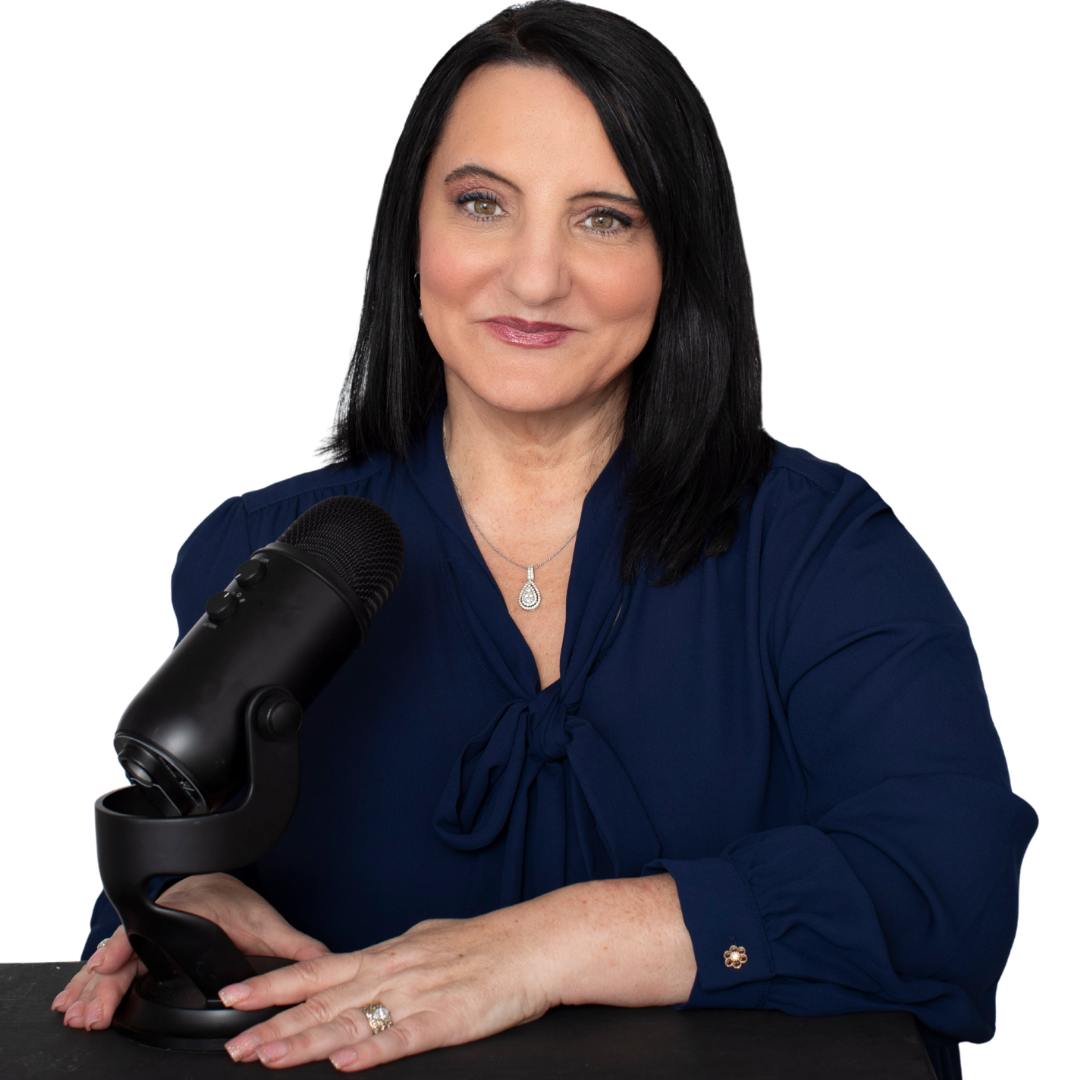
Dr. Roseann Capanna-Hodge is a licensed therapist, certified school psychologist, and leading expert in emotional dysregulation in children. With over 30 years of experience, she helps parents understand the root causes of meltdowns, anxiety, ADHD, and challenging behavior through the lens of nervous system regulation. Dr. Roseann teaches practical, science-backed strategies for co-regulation and how to calm a dysregulated child using her Regulation First Parenting™ approach. She is the host of the Dysregulated Kids Podcast and author of The Dysregulated Kid.
Dr. Roseann Capanna-Hodge
Emotional Dysregulation in Children & Nervous System Expert
Regulation First Parenting™ | CALMS Protocol™
Host of the Dysregulated Kids Podcast (Top 1% Globally)
Author of The Dysregulated Kid