Find Your Solution
In 3 minutes, you’ll know where to start ➤
%20.png)





Estimated Reading Time: 5 minutes
If your child is anxious, reactive, or struggles to focus despite therapy, routines, and school supports, you’re not alone. These behaviors often stem from a dysregulated nervous system, and supporting the brain nutritionally can make a big difference. In this episode, I explain how supplements like magnesium and other natural supports help kids regulate, focus, and learn.
The brain is energy-hungry, and when it lacks key nutrients, emotional and behavioral regulation suffers. Many neurodivergent children have deficiencies that affect mood, attention, and stress tolerance.
Key takeaways:
Parent story: After addressing magnesium deficiency, a child’s bedtime battles eased and mornings became calmer, supporting smoother regulation throughout the day.
Supplements don’t replace therapy—they make self-regulation possible. The right nutrients allow the brain to calm and learning tools to work.
Supports include:
Parent insight: Children who use magnesium alongside structured routines and co-regulation strategies often show quicker improvements in focus and emotional stability.
Magnesium is a research-backed mineral essential for calming the nervous system, when taken at the best time.
Benefits for children:
Tip: High stress, poor absorption, or neurodivergence can make dietary intake insufficient. Supplementation is often necessary.
There’s no one-size-fits-all approach. Each child’s needs differ based on genetics, stress, and nervous system activation.
Factors to consider:
Parent note: Combining supplements with Regulation First Parenting™, behavioral strategies, and structured routines maximizes results.
Many signs of deficiency are subtle but impact behavior.
Common red flags:
Parent example: A child showed improved emotional flexibility after addressing vitamin D, zinc, and magnesium deficiencies.
🗣️ “No learning or emotional growth can happen when the nervous system is under stress. We have to calm the brain first.” — Dr. Roseann
Supplements are most effective when paired with daily regulation tools.
Tips for home routines:
Parent insight: These habits reinforce supplementation benefits and help children stay calm, focused, and engaged.
Integrating supplements with neurofeedback, PEMF, or mindfulness enhances nervous system regulation and emotional control.
Strategies:
Consistency in daily routines helps maximize the effect of supplements and calm a dysregulated nervous system.
Strategies:
Parent story: A child with ADHD and low magnesium showed fewer meltdowns when meals, movement, and sleep were paired with magnesium supplementation.
Parents can actively model calm and regulation, amplifying the effect of supplements.
Try these exercises:
Parent insight: Children who practice self-regulation with consistent guidance and nutritional support learn to manage emotional responses faster and with less resistance.
Supplements aren’t a quick fix, but they provide foundational support for emotional regulation, focus, and sleep. When paired with consistent routines and co-regulation, children learn to calm their nervous system and access their full potential.
Exhausted families do not need more shame. They need understanding, they need practical tools, and they need hope. Find your relief today. Order The Dysregulated Kid and finally make sense of your child's behavior.
Check out the Neurotastic™ Multi-Mag Brain™ Formula to support your child’s emotional and behavioral health.

Anxiety, irritability, poor sleep, low stress tolerance, and attention issues may indicate deficiencies in magnesium, vitamin D, or zinc.
Yes. It supports neurotransmitter balance, stress regulation, and emotional control when paired with co-regulation strategies.
Many parents notice improvements in mood, focus, or sleep within 1–2 weeks, though results vary by child.
No. Supplements enhance regulation and learning but work best alongside behavioral strategies, routines, and brain-based interventions.
Leafy greens, nuts, seeds, avocado, and whole grains support brain and nervous system function.
When your child is struggling, time matters.
Don’t wait and wonder—use the Solution Matcher to get clear next steps, based on what’s actually going on with your child’s brain and behavior.
Take the quiz at www.drroseann.com/help
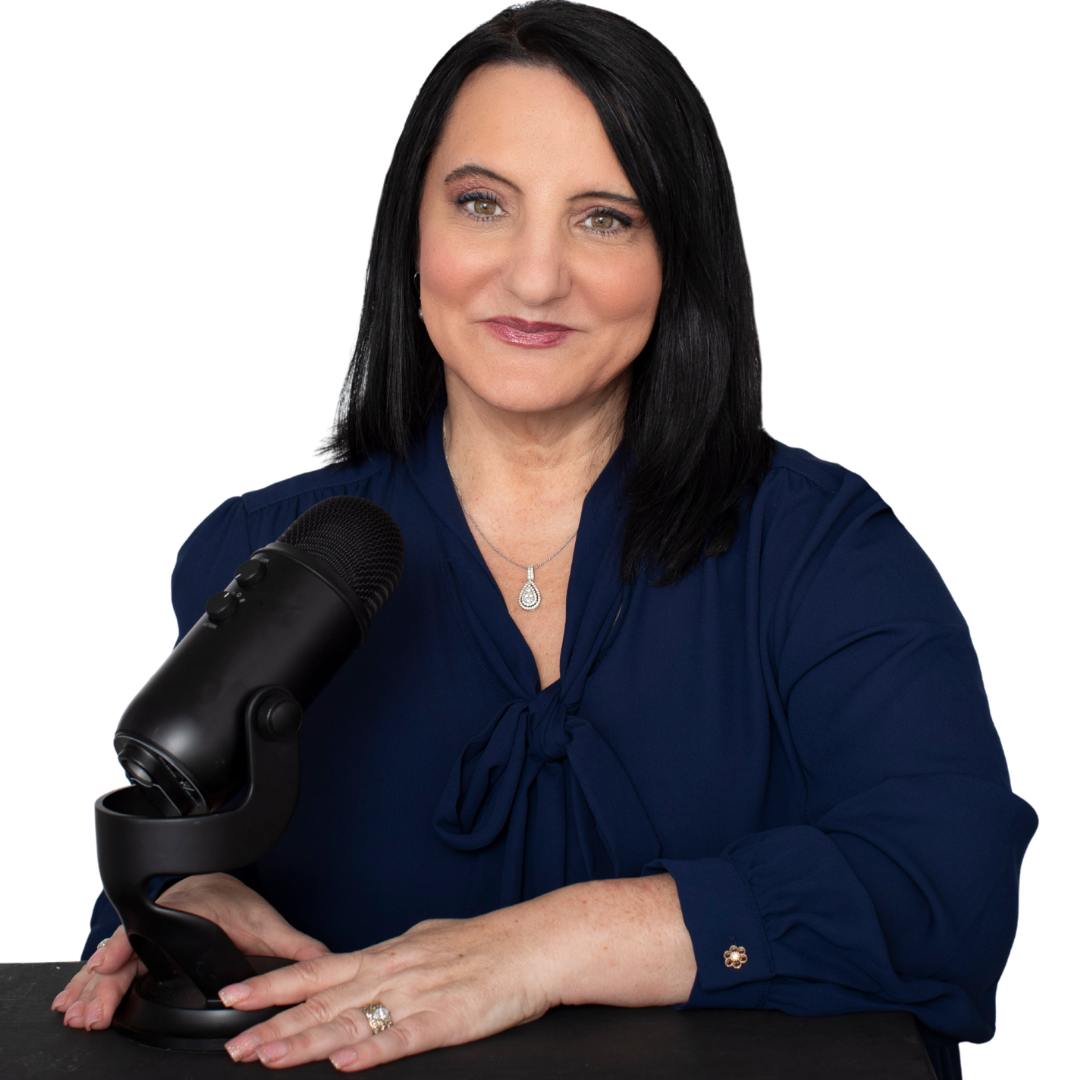
Dr. Roseann Capanna-Hodge is a licensed therapist, certified school psychologist, and leading expert in emotional dysregulation in children. With over 30 years of experience, she helps parents understand the root causes of meltdowns, anxiety, ADHD, and challenging behavior through the lens of nervous system regulation. Dr. Roseann teaches practical, science-backed strategies for co-regulation and how to calm a dysregulated child using her Regulation First Parenting™ approach. She is the host of the Dysregulated Kids Podcast and author of The Dysregulated Kid.
Dr. Roseann Capanna-Hodge
Emotional Dysregulation in Children & Nervous System Expert
Regulation First Parenting™ | CALMS Protocol™
Host of the Dysregulated Kids Podcast (Top 1% Globally)
Author of The Dysregulated Kid