Find Your Solution
In 3 minutes, you’ll know where to start ➤
%20.png)





Estimated Reading Time: 5 minutes
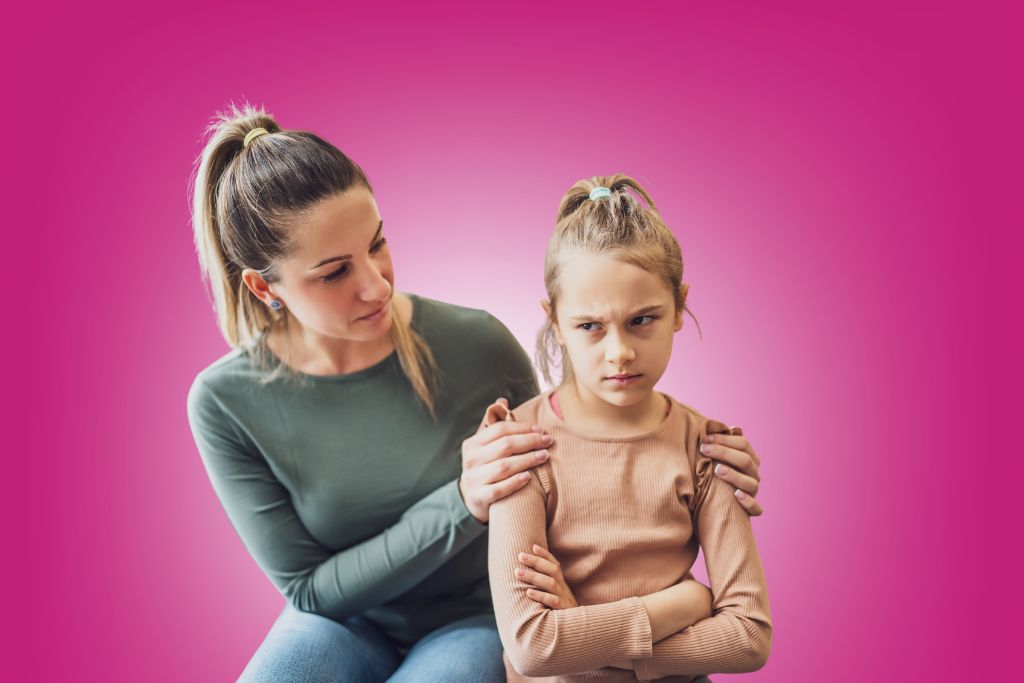
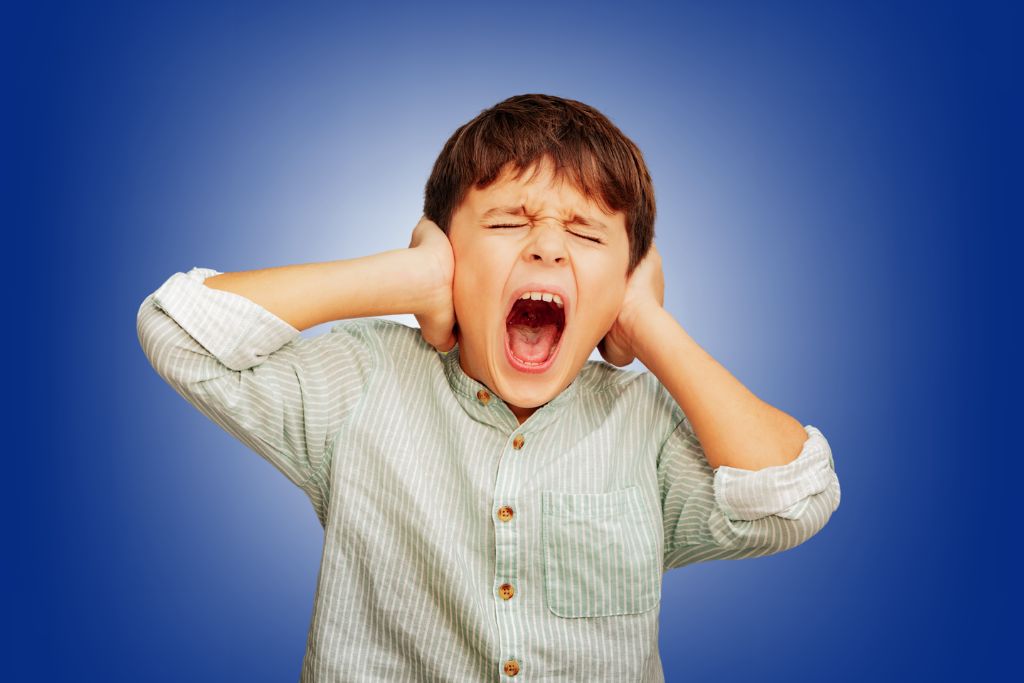
If every morning feels like a battle, it’s not bad parenting—it’s a dysregulated child. Kids with emotional dysregulation struggle with anticipation, transitions, and overstimulation. The goal is to calm the nervous system first, then support skill-building and cooperation.
Morning school resistance is exhausting and it’s not bad parenting. It’s a dysregulated brain asking for support. In this episode, Dr. Roseann walks parents through five practical, nervous-system-friendly ways to make mornings calmer and more predictable.
School anxiety and refusal are common when the brain is already dysregulated.
Key takeaways:
Example: A parent notices their child explodes when choosing clothes. The fix? Clothes are laid out the night before, removing decision fatigue and morning tension.
Tips to try:
Nervous system regulation in children is easier when transitions are predictable.
What helps:
Example: Instead of rushing, a parent adds five minutes of stretching and calming music, helping their child shift from sleep to movement without words.
Tools that work
Predictability equals safety for dysregulated kids. When children know what’s coming next, their anxiety drops.
Try this:
Example: A child rates mornings as an “8” every day, signaling a deeper stressor that needs attention, not discipline.
Why it matters: Behavior is communication. Patterns tell us when support, not pushing is needed.
Kids need autonomy, but too many choices backfire. The goal is small, structured control.Helpful strategies:
Example: A child brings a small sensory item in their pocket, easing separation anxiety without disrupting the day. Language shift: Instead of correcting, say: “That was hard and you still tried.” This builds intrinsic motivation and emotional resilience.
Many parents, especially primary caregivers, carry the bulk of emotional and logistical responsibility. This can amplify stress and affect responses to morning meltdowns:
The nervous system mirrors the parent. Your calm is their calm:
Parent example: When a teen screams over stopping a game, calmly suggest, “Let’s pause and take a breath together,” which quickly reduces tension.
When your child is dysregulated, it’s easy to feel helpless.The Regulation Rescue Kit gives you the scripts and strategies you need to stay grounded and in control.
Become a Dysregulation Insider VIP at www.drroseann.com/newsletter and get your free kit today.

🗣️ “When we calm the brain first, behavior changes naturally.” — Dr. Roseann
If resistance continues, loop in the school. Boredom, learning challenges, social stress, or sensory overload often play a role.Support ideas:
If nothing shifts, focus on regulation first, yours and your child’s. It’s gonna be OK. Help exists, and progress takes time.
Sudden school refusal often signals anxiety, overwhelm, or unmet support needs—not manipulation.
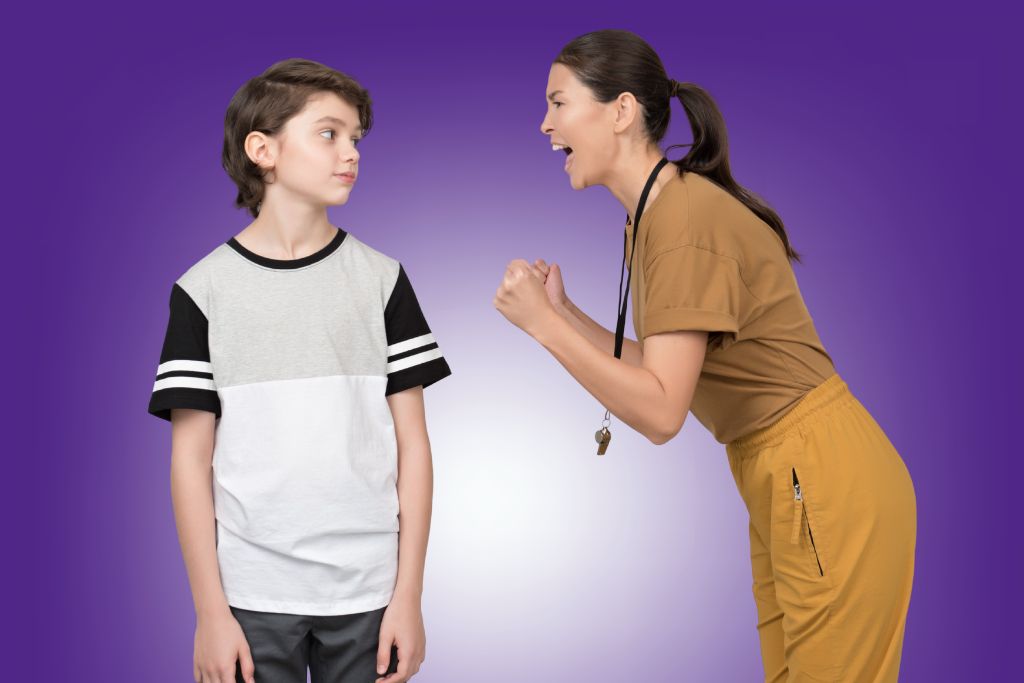
Forcing increases dysregulation. Focus on calming first, then problem-solving.
Yes. Predictable routines lower nervous system stress and reduce resistance.
It may be time for professional support to uncover deeper triggers.
Next Step:Not sure where to start? Take the guesswork out of helping your child. Use the free Solution Matcher to get a personalized plan based on your child’s unique needs.
Start here: www.drroseann.com/help
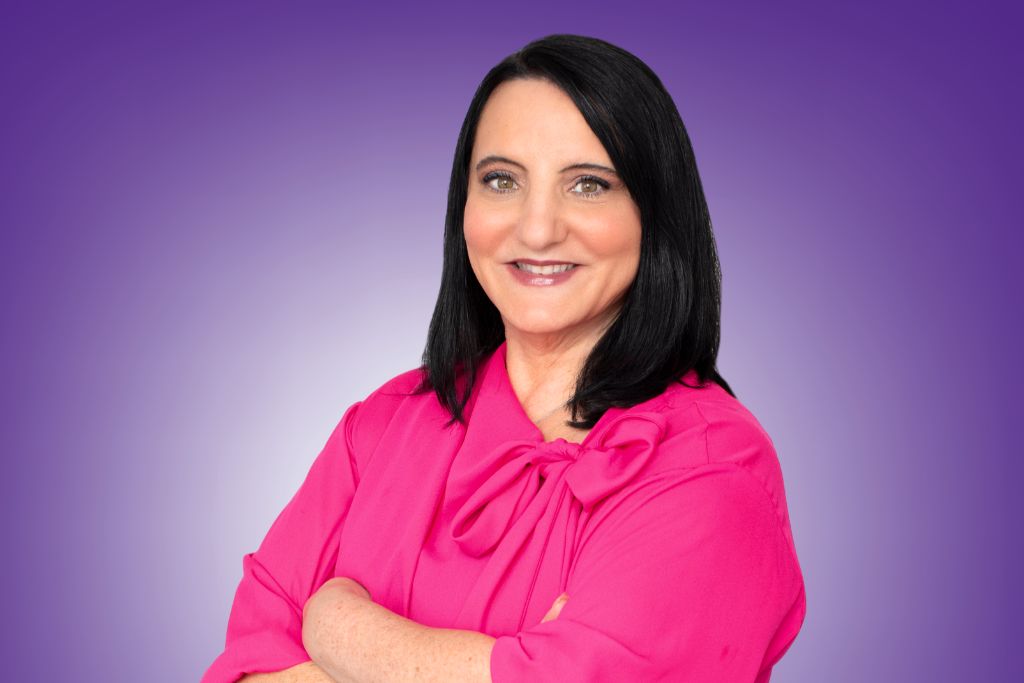
Dr. Roseann Capanna-Hodge is a licensed therapist, certified school psychologist, and leading expert in emotional dysregulation in children. With over 30 years of experience, she helps parents understand the root causes of meltdowns, anxiety, ADHD, and challenging behavior through the lens of nervous system regulation. Dr. Roseann teaches practical, science-backed strategies for co-regulation and how to calm a dysregulated child using her Regulation First Parenting™ approach. She is the host of the Dysregulated Kids Podcast and author of The Dysregulated Kid.
Dr. Roseann Capanna-Hodge
Emotional Dysregulation in Children & Nervous System Expert
Regulation First Parenting™ | CALMS Protocol™
Host of the Dysregulated Kids Podcast (Top 1% Globally)
Author of The Dysregulated Kid