Find Your Solution
In 3 minutes, you’ll know where to start ➤
%20.png)





Estimated Reading Time: 6 minutes
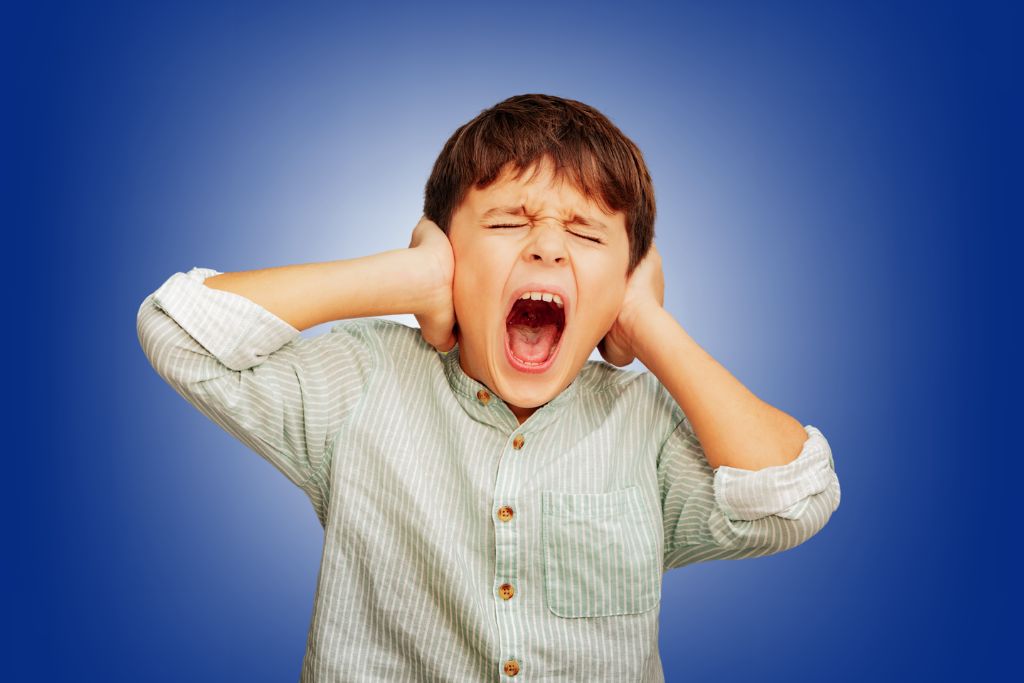
When your child melts down every morning before school, it’s not just resistance—it’s distress. If you’re battling tears, stomachaches, or "I can’t do it" mornings, you’re not alone.
School refusal and anxiety are rising at an alarming rate, leaving parents exhausted and unsure what to do. In this episode, Dr. Roseann Capanna-Hodge explains what school refusal really is and shares practical, science-backed strategies to help your child return to school, calmly and confidently.
School refusal doesn’t typically appear overnight—it creeps up. What may start as mild worry or morning resistance can quickly turn into full-blown avoidance.
This pattern often signals a dysregulated nervous system, not willful behavior.
The key is to look beneath the behavior. A child who was an A student can suddenly struggle when their stress "bucket" overflows.
When school refusal begins, the instinct is to get your child back into the classroom, but forcing attendance often makes things worse if the nervous system is still in a stressed state.
When the brain is stuck in "fight, flight, or freeze" mode, logic shuts down. Helping your child regulate first can make all the difference.
When your child’s nervous system calms, the school day no longer feels like an insurmountable obstacle.
You don’t have to do this alone. Schools play a crucial role in helping children with school refusal return to learning successfully.
One parent fought to keep her child home temporarily while treating an underlying PANS condition. Once the brain calmed, the child was able to reintegrate smoothly with the right plan and support.
School refusal is not a behavior problem—it’s a sign of emotional dysregulation in children. With the right support and tools, your child can return to school with confidence, resilience, and safety.
What Dr. Roseann Says: “Mental health is the foundation of physical health. We wouldn’t ignore cancer—so we can’t ignore anxiety or depression either.” — Dr. Roseann
Studies show that about 5% of children experience school refusal, a number that has increased over the past decade.
Yes. Even children who excel academically can experience school refusal due to emotional, social, or neurological stressors.
Recovery from school refusal varies, but it often requires ongoing support for emotional regulation and consistency in routines.
Forcing attendance can make school refusal worse. Focus on calming the brain first and addressing the underlying causes before returning to school.
If school refusal lasts more than two weeks, or if your child shows signs of severe distress (such as panic attacks, stomach pain, or depression), seek help from a licensed mental-health professional.
Next Step:
Become a Dysregulation Insider VIP and get the FREE Regulation Rescue Kit—your step-by-step guide to stop oppositional behaviors without yelling or giving in.
👉 Go to www.drroseann.com/newsletter and grab your kit today.
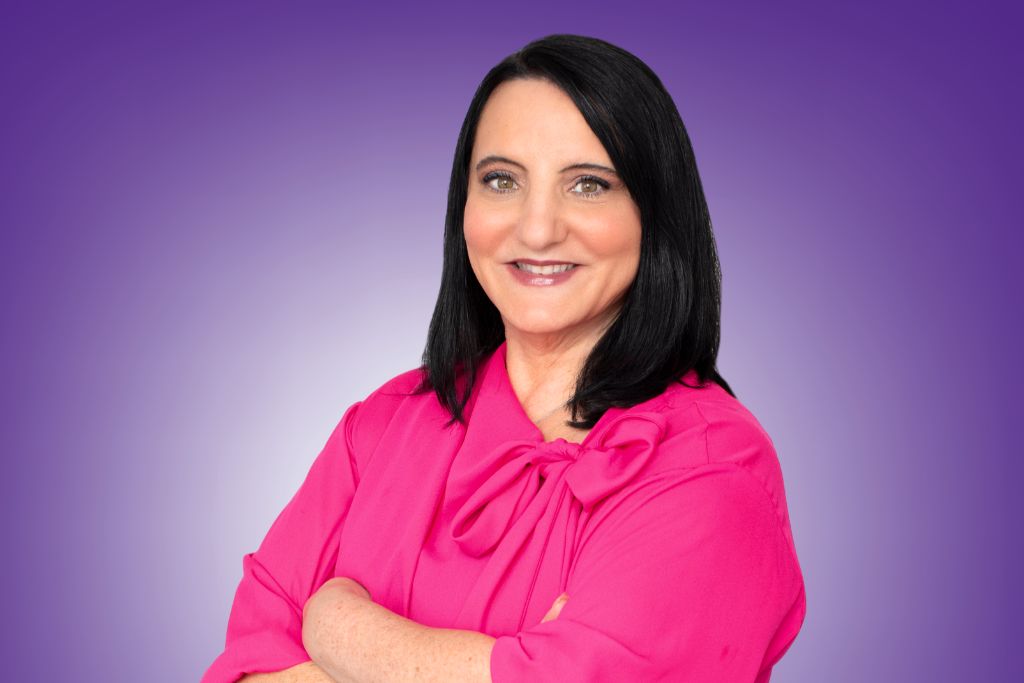
Dr. Roseann Capanna-Hodge is a licensed therapist, certified school psychologist, and leading expert in emotional dysregulation in children. With over 30 years of experience, she helps parents understand the root causes of meltdowns, anxiety, ADHD, and challenging behavior through the lens of nervous system regulation. Dr. Roseann teaches practical, science-backed strategies for co-regulation and how to calm a dysregulated child using her Regulation First Parenting™ approach. She is the host of the Dysregulated Kids Podcast and author of The Dysregulated Kid.
Dr. Roseann Capanna-Hodge
Emotional Dysregulation in Children & Nervous System Expert
Regulation First Parenting™ | CALMS Protocol™
Host of the Dysregulated Kids Podcast (Top 1% Globally)
Author of The Dysregulated Kid