Find Your Solution
In 3 minutes, you’ll know where to start ➤
%20.png)





Estimated Reading Time: 6 Minutes
Have you tried sticker charts, time-outs, rewards, consequences, and every parenting strategy you can think of—only to watch the same meltdowns, arguments, and behavioral challenges continue? If so, you're not alone. Understanding why rewards and consequences often fail dysregulated kids can completely change how you approach behavior and help you create more calm at home.
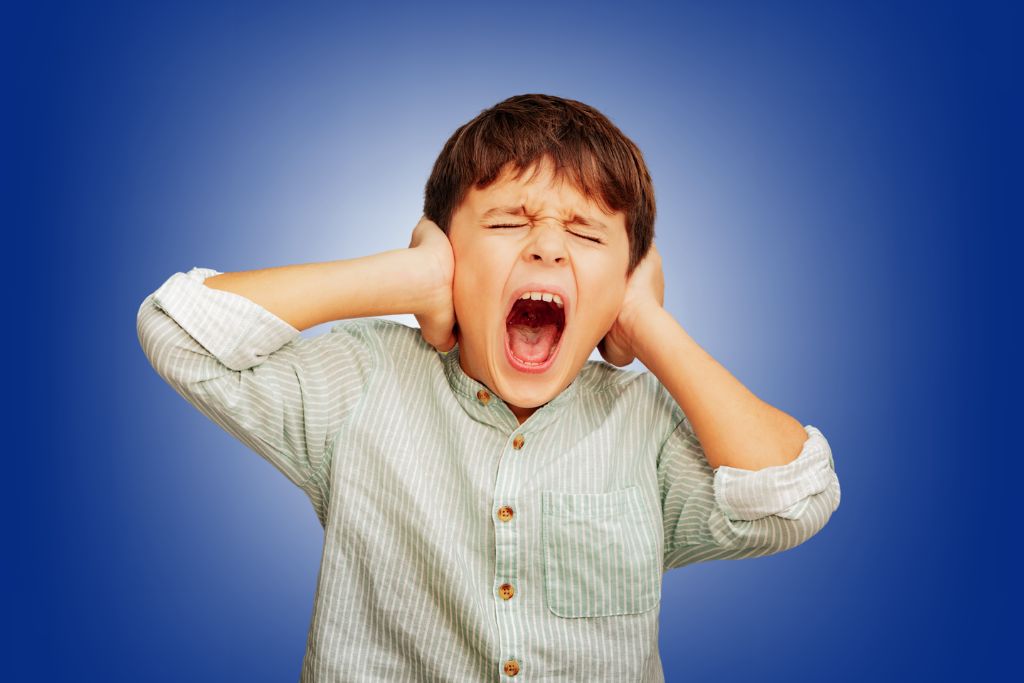
Many parenting systems are built on the assumption that children can connect actions to outcomes in the moment. But when a child's nervous system is overwhelmed, stressed, or dysregulated, the brain simply isn't in a state where learning can happen.
In this episode, I explain why traditional rewards and consequences often miss the mark, what behavior is really communicating, and how Regulation First Parenting™ helps children build lasting self-regulation skills and positive behaviors.
One of the most common questions parents ask is:
"Why doesn't anything work with my child?"
The answer often comes down to nervous system regulation.
When children are dysregulated, the emotional brain takes over and the thinking brain becomes less accessible.
That means:
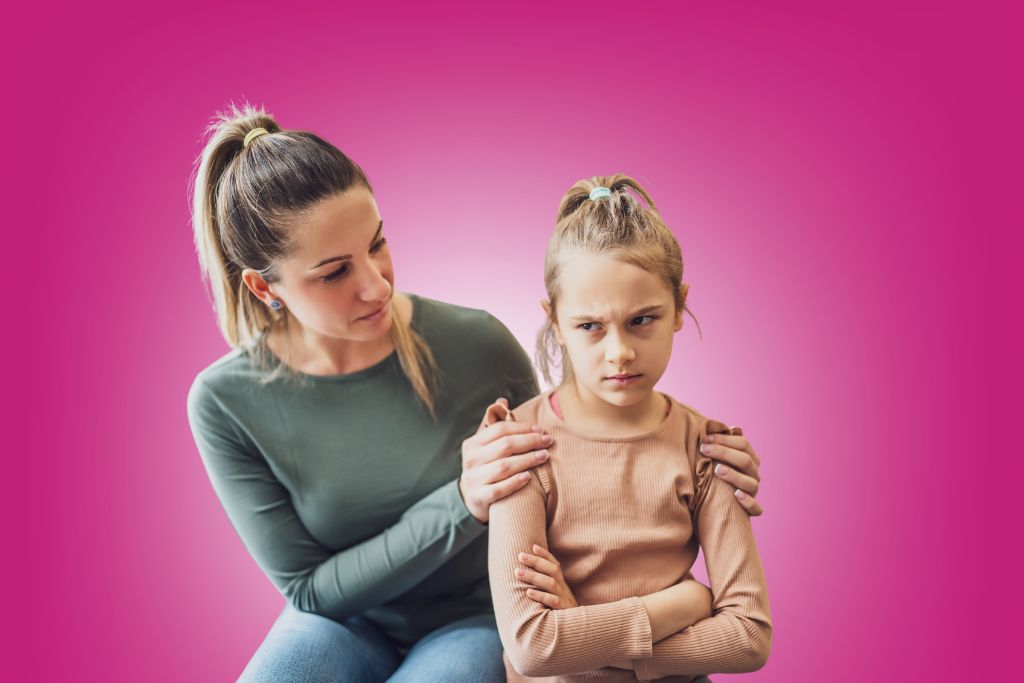
A child in fight, flight, or freeze isn't choosing to ignore consequences.
They're operating from survival mode.
When the nervous system feels overwhelmed:
This is why taking away privileges during a meltdown often makes things worse instead of better.
It isn't bad parenting.
It's a dysregulated brain.
Many behavior programs rely heavily on external rewards.
Sticker charts.
Candy.
Extra screen time.
Toys.
Special privileges.
While rewards can sometimes create short-term compliance, they don't always build the internal skills children need for lasting change.
Children need more than rewards.
They need:
When rewards become the primary focus, children may become more dependent on external validation rather than developing internal motivation.
A child earns stickers every time they complete homework.
The system works for a few weeks, but eventually the child loses interest and homework battles return.
The underlying issue wasn't motivation.
The underlying issue was regulation.
Without addressing the nervous system, behavior systems often become temporary fixes.
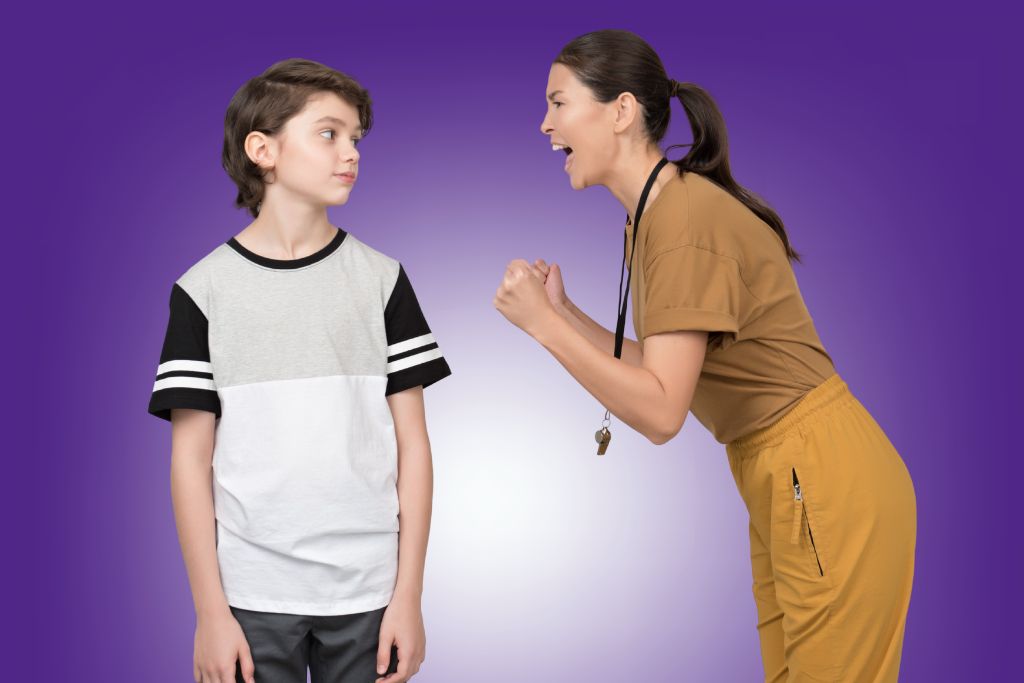
When behavior escalates, most parents naturally want to increase consequences.
But behavior is communication.
What looks like defiance is often stress.
What looks like disrespect is often dysregulation.
Before responding, ask yourself: "Is my child regulated enough for this lesson to land?"
Instead of leading with consequences:
When children feel safe, they become more capable of learning from their mistakes.
Connection before correction.
That's where lasting change happens.
A child throws a backpack after school and refuses to start homework.
Instead of immediately taking away electronics, the parent offers a snack, movement break, and decompression time.
Thirty minutes later, the child is able to complete the assignment with far less resistance.
The nervous system needed support before the lesson could stick.
Children learn best when they are calm enough to process information.
This is why teaching should happen during regulated moments—not during emotional storms.
Children learn more from what we do than what we say.
Show them:
Skills that support regulation include:
Natural consequences often work better than arbitrary punishments because they connect directly to the behavior.
For example:
If homework is forgotten, the child may need to explain that situation to the teacher.
That's a meaningful consequence.
Taking away screen time often has little connection to the actual problem.
Focus on:
This helps build confidence and intrinsic motivation.
🗣️ "When parents regulate first, kids feel safe enough to learn, grow, and practice desirable behaviors in everyday life." — Dr. Roseann
Want to stay calm when your child pushes every button?
Become a Dysregulation Insider VIP and get the FREE Regulation Rescue Kit, designed to help you reduce oppositional behavior, improve cooperation, and respond with confidence. Download it here: www.drroseann.com/newsletter
Many parents spend so much energy trying to control behavior that they accidentally overlook the nervous system.
The truth is that cooperation grows when children feel safe.
Children thrive when they know what to expect.
Predictability reduces stress.
Reduced stress improves regulation.
Improved regulation supports better behavior.
The goal isn't perfect behavior.
The goal is helping your child develop the skills needed to manage emotions, solve problems, and navigate challenges successfully.
When you focus on regulation first:
Rewards and consequences only work when the brain is calm.
For dysregulated children, regulation isn't optional.
It's foundational.
If rewards and consequences aren't working, it doesn't mean you've failed.
It doesn't mean your child is manipulative.
And it doesn't mean you need harsher discipline.
Your child isn't giving you a hard time—they're having a hard time.
Behavior is communication.
When we calm the brain first, everything else becomes easier.
That's the heart of Regulation First Parenting™.
Focus on connection.
Focus on regulation.
Focus on progress.
It's gonna be OK.
Instead of focusing on rewards, focus on understanding what the behavior is communicating. Teach skills during calm moments and use connection before correction.
Consequences can increase stress and dysregulation. When children are overwhelmed, they often become less capable of learning from the consequence rather than more capable.
Praise effort, persistence, problem-solving, and growth. Self-esteem develops through competence, connection, and meaningful experiences—not prizes alone.
Keep it simple. Try phrases like, "I'm here," "You're safe," or "We'll get through this together." Less talking and more regulation often works best.
Often, yes. Natural consequences help children understand the relationship between actions and outcomes in a meaningful way without damaging connection.
Every child's journey is different.
Take the free Solution Matcher Quiz and get a customized path to support your child's emotional and behavioral needs. Start today: www.drroseann.com/help
Dr. Roseann Capanna-Hodge is a licensed therapist, certified school psychologist, and leading expert in emotional dysregulation in children. With over 30 years of experience, she helps parents understand the root causes of meltdowns, anxiety, ADHD, and challenging behavior through the lens of nervous system regulation. Dr. Roseann teaches practical, science-backed strategies for co-regulation and how to calm a dysregulated child using her Regulation First Parenting™ approach. She is the host of the Dysregulated Kids Podcast and author of The Dysregulated Kid.
Dr. Roseann Capanna-Hodge
Emotional Dysregulation in Children & Nervous System Expert
Regulation First Parenting™ | CALMS Protocol™
Host of the Dysregulated Kids Podcast (Top 1% Globally)
Author of The Dysregulated Kid