Find Your Solution
In 3 minutes, you’ll know where to start ➤
%20.png)





Estimated Reading Time: 8 Minutes
One of the biggest misconceptions about anger in children and teens is that it's simply bad behavior.
It isn't.
Anger is often a signal that something deeper is happening beneath the surface.
When we understand the real reasons behind angry behavior, we can stop reacting to the symptom and start addressing the cause.
In this episode, I explain why children become angry, how anxiety and nervous system dysregulation often fuel anger, and what parents can do to support emotional regulation.
Many parents assume anger is the problem.
Often, anger is actually the result of another problem.
Underneath anger, children may be experiencing:
When children lack the skills to communicate these feelings, anger becomes the easiest way to express them.
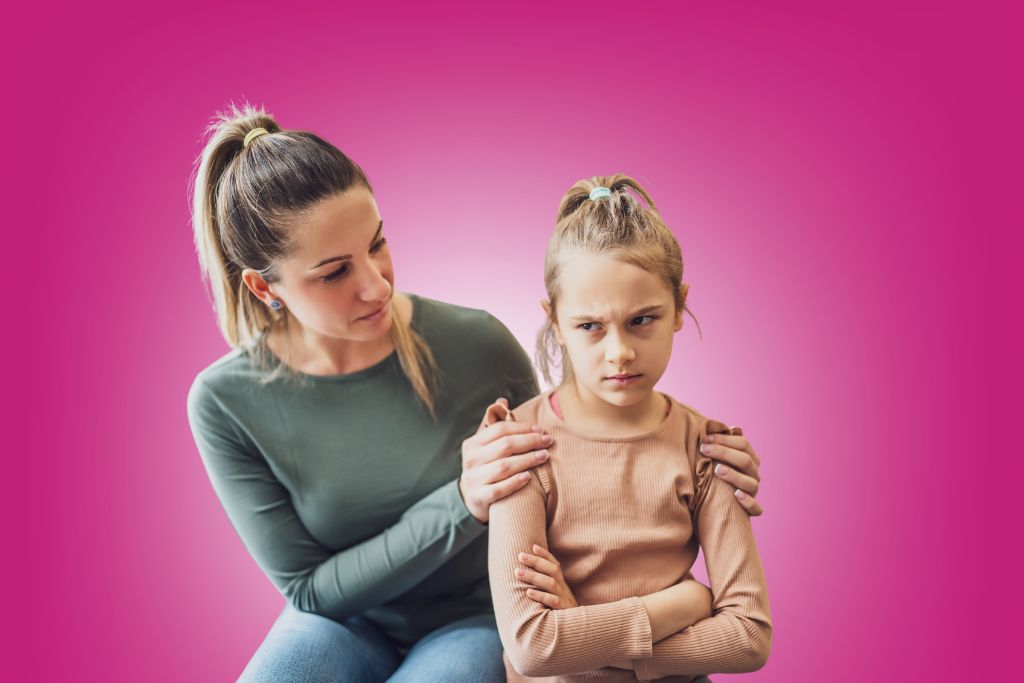
A child explodes over a small request.
The parent sees defiance.
The child is actually overwhelmed, anxious, and struggling to cope.
The anger is the visible symptom.
Not the root cause.
One of the most common hidden causes of anger is anxiety.
When the nervous system feels threatened, it shifts into survival mode.
This activates:
Many children enter the "fight" response.
That fight response often looks like:
A child becomes angry every morning before school.
Parents assume oppositional behavior.
The real issue is anxiety about school.
An anxious child is not always a worried-looking child.
Sometimes anxiety wears the mask of anger.
A dysregulated nervous system makes emotional regulation much harder.
Children may:
When the nervous system remains activated, anger becomes more frequent.
One of the hardest truths for parents is that our own reactions matter.
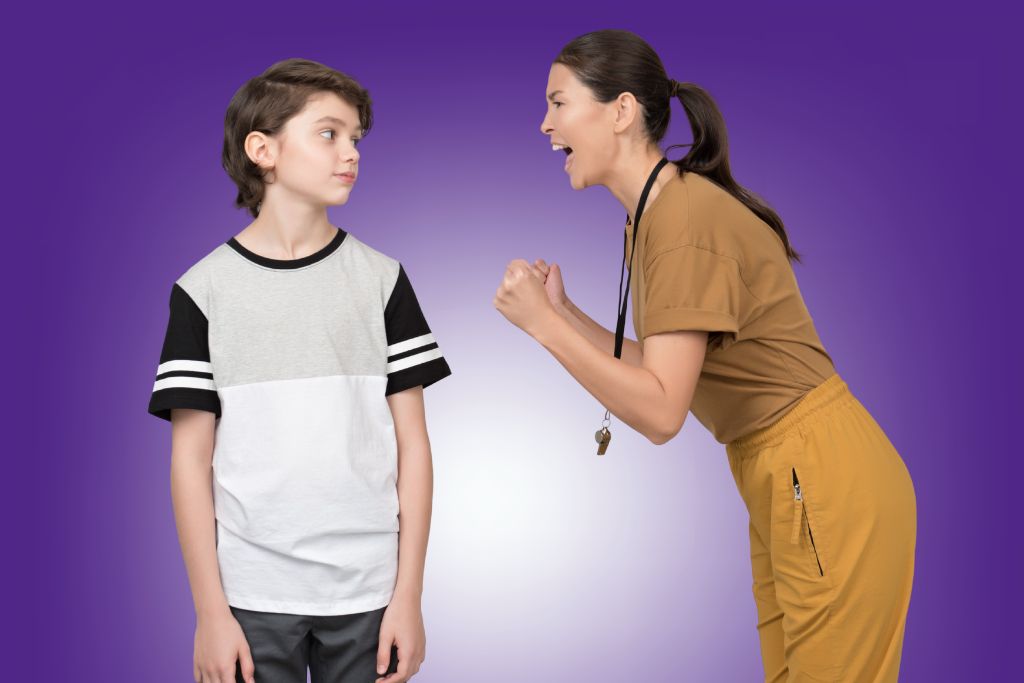
When a child becomes angry, parents often become angry too.
The result?
Two dysregulated nervous systems.
The child escalates.
The parent escalates.
The cycle continues.
The most effective response is calm.
Not passive.
Not permissive.
Calm.
A child begins yelling.
Instead of matching the intensity, a parent slows their breathing and lowers their voice.
The nervous system begins receiving signals of safety.
That's co-regulation.
🗣️ "Clinical psychologists and mental health experts emphasize that anger frequently functions as a response to uncomfortable sensations triggered by anxiety." — Dr. Roseann
Need help calming your child's nervous system?
The Regulation Rescue Kit provides practical Regulation First Parenting™ tools that help reduce emotional outbursts, improve emotional regulation, and create more peace at home. Become a Dysregulation Insider VIP and get your FREE kit: www.drroseann.com/newsletter
Many children become angry because their nervous systems are overwhelmed by sensory input.
Children often don't recognize sensory discomfort consciously.
They simply feel overwhelmed.
The result may look like:
A child becomes angry every afternoon.
The real issue?
Hours of sensory overload at school.
Children who cannot identify emotions often default to anger.
They learn words like:
But not:
The more emotional language children have, the more accurately they can express themselves.
Help children label emotions.
Ask:
Emotional awareness reduces emotional reactivity.
Anger management begins long before an angry moment.
Helpful skills include:
Children learn more from what we do than what we say.
When parents model:
children gradually learn those skills too.
A parent says:
"I'm feeling frustrated, so I'm going to take a deep breath."
That simple moment teaches emotional regulation.
Become a detective.
Ask:
Patterns often reveal root causes.
Root causes lead to solutions.
When we focus only on anger, progress is limited.
When we address:
everything changes.
The goal isn't eliminating emotions.
The goal is helping children manage them effectively.
Anger is rarely the whole story.
Your child isn't giving you a hard time.
They're having a hard time.
When we understand the nervous system, anxiety, sensory processing, and emotional development, angry behavior begins to make sense.
Remember:
It's gonna be OK.
Chronic anger is often connected to anxiety, sensory issues, emotional dysregulation, nervous system stress, or unresolved emotional challenges.
Yes. Anxiety often activates the fight-or-flight response, and many children express anxiety through irritability, defiance, or anger.
Focus on regulating your own nervous system first. Calm parents help create calm children through co-regulation.
Frequent irritability around noises, textures, transitions, crowded environments, or specific sensory experiences can indicate sensory-related dysregulation.
Absolutely. Through modeling, co-regulation, emotional language, mindfulness, and consistent practice, children can develop stronger emotional regulation skills.
Not sure where to start? Use the Solution Matcher to get personalized recommendations based on your child's emotional and behavioral needs. Start here: www.drroseann.com/help
Dr. Roseann Capanna-Hodge is a licensed therapist, certified school psychologist, and leading expert in emotional dysregulation in children. With over 30 years of experience, she helps parents understand the root causes of meltdowns, anxiety, ADHD, autism, sensory challenges, and challenging behavior through the lens of nervous system regulation. She is the creator of Regulation First Parenting™, host of the Dysregulated Kids Podcast, and author of The Dysregulated Kid.
Dr. Roseann Capanna-Hodge
Emotional Dysregulation in Children & Nervous System Expert
Regulation First Parenting™ | CALMS Protocol™
Host of the Dysregulated Kids Podcast (Top 1% Globally)
Author of The Dysregulated Kid