Find Your Solution
In 3 minutes, you’ll know where to start ➤
%20.png)





Estimated Reading Time: 6 minutes
If your child is anxious, overstimulated, or struggling to focus, it can feel like nothing you try makes a difference. You’re not alone. PEMF therapy is a gentle, science-backed tool that helps calm a dysregulated nervous system.
In this episode, I explain how PEMF works, why it benefits kids with ADHD, anxiety, PANS/PANDAS, OCD, and emotional dysregulation, and how you can use it safely at home to support calm, focus, and regulation.
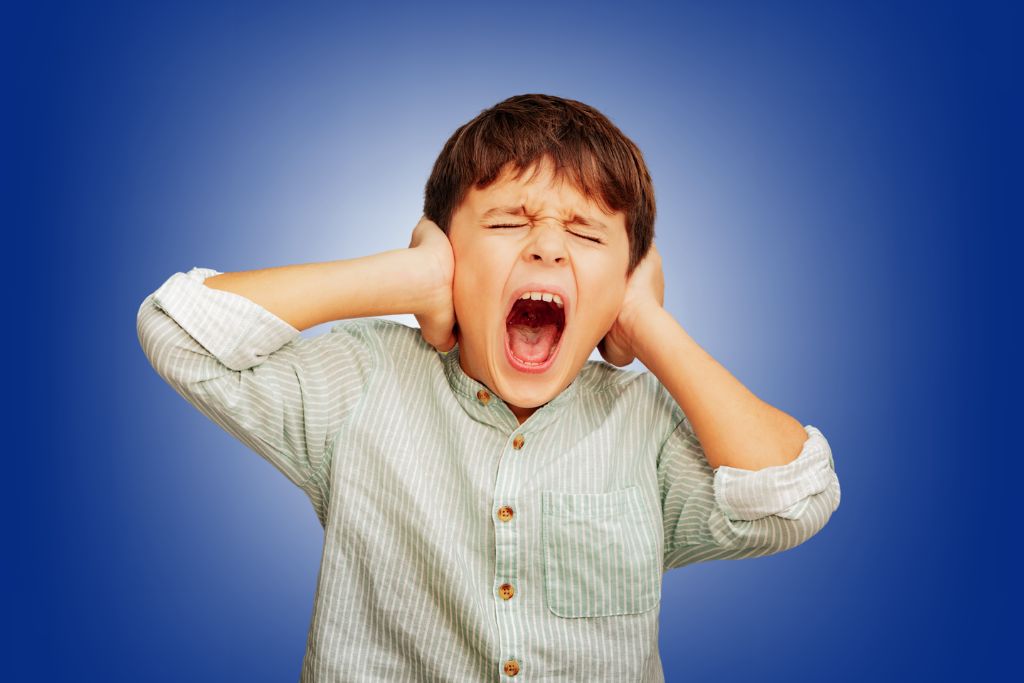
Many children live in a constant stress response—meltdowns, snapping, fixations, or shutdowns. This isn’t “bad behavior.” It’s a dysregulated nervous system.
PEMF helps by:
Parent Story: Maria’s 10-year-old with PANS went from daily mood swings and brain fog to more stable mornings after PEMF was added to his routine.
Yes. Anxiety often stems from nervous system dysregulation, not intentional misbehavior. PEMF communicates with cells, improving signal flow and reducing reactivity.
PEMF benefits:
Imagine mornings without jitteriness or tension—that’s the effect of calming the nervous system first.
These conditions involve inflammation, impaired detox, and nervous system dysregulation. PEMF addresses these root contributors rather than just masking symptoms.
PEMF helps:
Real-Life Scenario: Michael’s intrusive thoughts decreased, and his focus improved once PEMF regulated his nervous system alongside neurofeedback.
Consistency is key when using PEMF therapy. Short, regular sessions integrate best with your child’s daily routine to reduce stress and improve focus.
Tips for daily use:
Parent example: A child with ADHD and anxiety began 10-minute PEMF sessions daily. Within a week, parents noticed calmer transitions and fewer meltdowns before homework.
PEMF works best as part of a holistic nervous system approach. Pairing it with other regulation techniques enhances results.
Effective combinations:
Parent story: A teen using PEMF plus daily neurofeedback and structured morning routines was able to complete homework without frustration or emotional outbursts.
Yes. One of the biggest benefits is practicality.
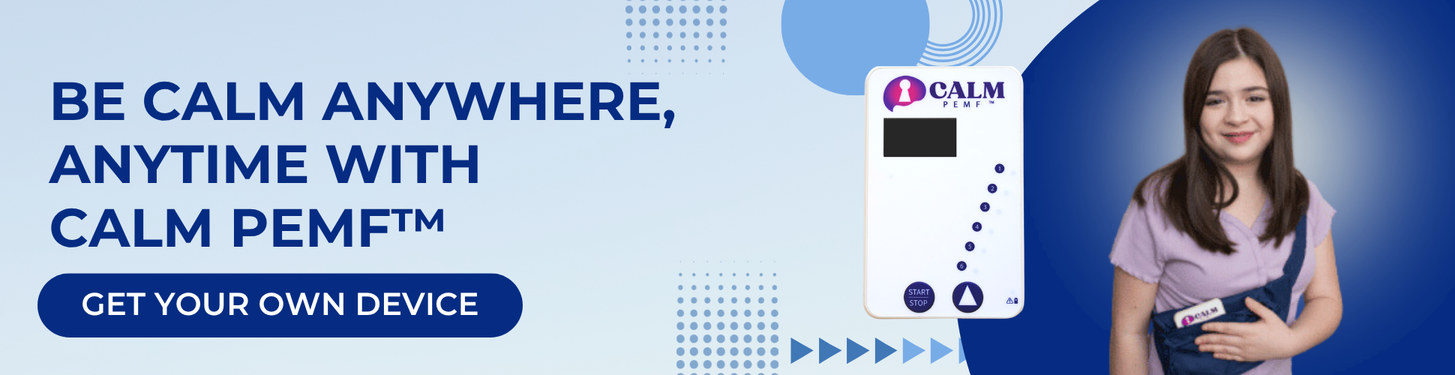
Calm PEMF device features:
Parents love it because it fits into everyday life and routines.
🗣️ “When we calm the brain, we open the door for healing. PEMF is one of the simplest, most powerful ways to help the nervous system shift out of stress and into regulation.” — Dr. Roseann
PEMF amplifies the effects of behavioral and brain-based interventions:
This combination helps dysregulated kids access attention, emotional control, and learning more effectively.
PEMF therapy is a gentle, science-backed tool that supports the nervous system and emotional regulation. It helps kids with ADHD, anxiety, PANS/PANDAS, OCD, and dysregulation by calming the brain rather than masking symptoms.
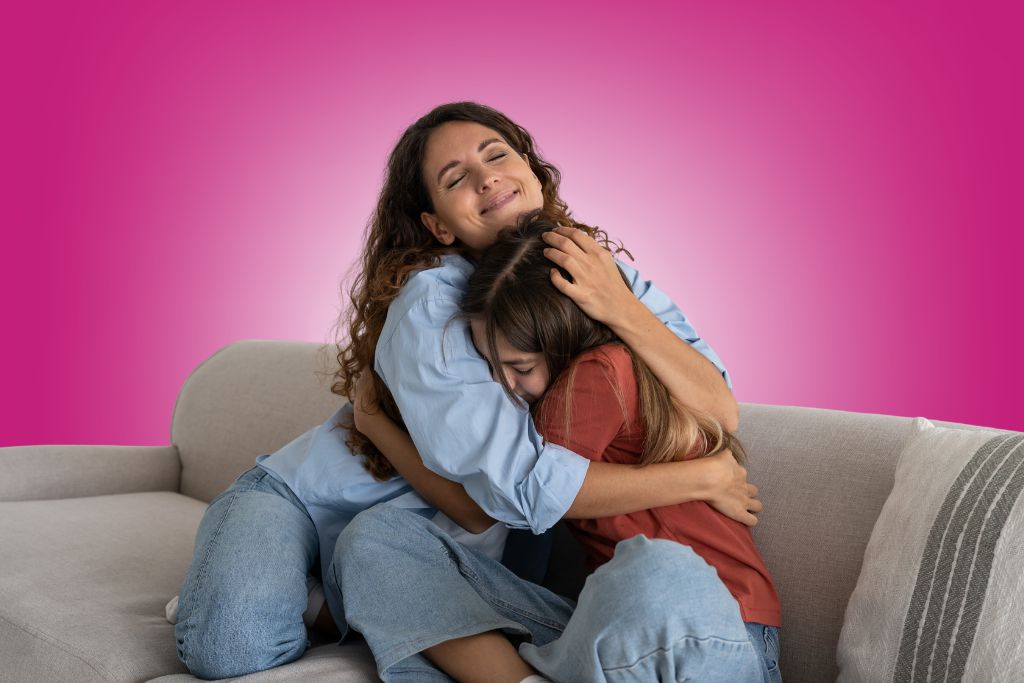
For more support, parents can explore PEMF along with structured routines and Regulation First Parenting™ strategies for long-term results.
Yes. PEMF helps calm the nervous system, reducing racing thoughts, irritability, and emotional reactivity.
Yes. The device is noninvasive, gentle, and clinically supported for regular use.
Many parents notice improvements in sleep, focus, and mood within days to a few weeks of consistent use.
Absolutely. PEMF complements neurofeedback, movement routines, and behavioral interventions for stronger outcomes.
Yes. By calming the nervous system, it improves sleep onset, duration, and quality.
That’s why cookie-cutter solutions don’t work.
Take the free Solution Matcher Quiz and get a customized path to support your child’s emotional and behavioral needs—no guessing, no fluff.
Start today at www.drroseann.com/help
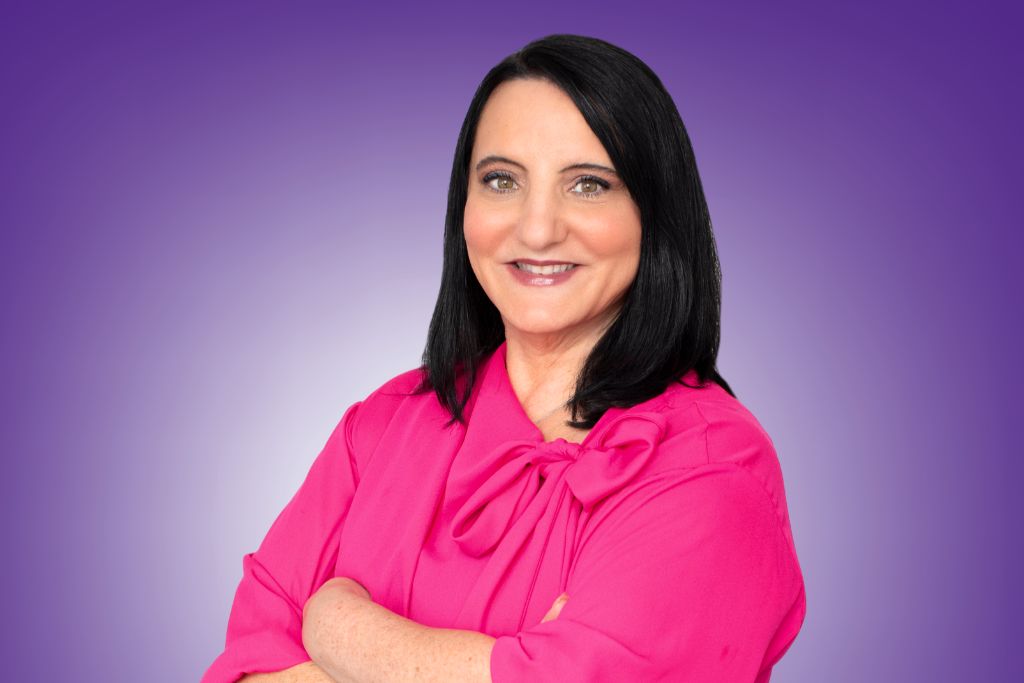
Dr. Roseann Capanna-Hodge is a licensed therapist, certified school psychologist, and leading expert in emotional dysregulation in children. With over 30 years of experience, she helps parents understand the root causes of meltdowns, anxiety, ADHD, and challenging behavior through the lens of nervous system regulation. Dr. Roseann teaches practical, science-backed strategies for co-regulation and how to calm a dysregulated child using her Regulation First Parenting™ approach. She is the host of the Dysregulated Kids Podcast and author of The Dysregulated Kid.
Dr. Roseann Capanna-Hodge
Emotional Dysregulation in Children & Nervous System Expert
Regulation First Parenting™ | CALMS Protocol™
Host of the Dysregulated Kids Podcast (Top 1% Globally)
Author of The Dysregulated Kid