Find Your Solution
In 3 minutes, you’ll know where to start ➤
%20.png)





Estimated Reading Time: 5 minutes
Feeling overwhelmed trying to help your child or yourself, calm stress, improve sleep, or manage focus? You’re not alone. Many families assume therapies like PEMF (Pulsed Electromagnetic Field) require a clinic, but what if the solution could fit right into your home routine?
In this episode, I break down pemf therapy at home, how portable devices make it safe, simple, and practical to support nervous system regulation in children, reduce inflammation, and foster calm, without leaving your living room.
Using PEMF at home is both safe and effective as long as you follow a few precautions:
Parent Story: One mom started with 15-minute evening sessions for herself and gradually increased the duration for her son with anxiety. Within weeks, sleep improved and mornings became calmer.
Portable PEMF devices are convenient for daily use and offer several brain and nervous system benefits:
Parent Story: Families report calmer mornings, better focus during homework, and less conflict when PEMF is used consistently.
If you’re tired of walking on eggshells or feeling like nothing works…
Get the FREE Regulation Rescue Kit and finally learn what to say and do in the heat of the moment.
Become a Dysregulation Insider VIP at www.drroseann.com/newsletter and take the first step to a calmer home.
Yes! Portable PEMF devices like Calm PEMF® are clinically tested and deliver comparable benefits to clinic-based machines:
Parent Story: One family shared that regular home PEMF sessions helped their child with PANS sleep through the night, something clinic visits hadn’t fully achieved.
Incorporating PEMF into everyday life is simple:
PEMF sends low-frequency electromagnetic pulses to cells, supporting:
These pulses help children shift from a hyper-aroused state into a calm, regulated nervous system, making learning, behavior, and emotional coping more achievable.
Parents report success when PEMF is combined with:
Parent Story: One father noticed calmer homework sessions and reduced irritability when his child used PEMF before starting tasks.
🗣️ “Behavior is communication. PEMF doesn’t fix everything overnight, but it gives the nervous system a chance to calm—so families can finally breathe a little easier.” — Dr. Roseann
Home PEMF therapy offers a safe, convenient, and powerful way to support nervous system regulation, sleep, focus, and stress management for your whole family. With daily use, you can create a calmer, more balanced household. It’s not magic—but it’s life-changing.
✅ Learn more and get started with our portable Calm PEMF™.

Yes, most children can use PEMF safely, but avoid use if they have pacemakers or implants. Start with short cycles and monitor responses.
Sessions can range from 15 minutes to 8 hours depending on goals. Begin short and gradually extend duration.
Many families notice better sleep and calmer nights with regular use, especially when paired with a consistent bedtime routine.
Yes—PEMF supports nervous system regulation, which helps lower cortisol and promote relaxation.
With consistent use, portable PEMF devices are equally effective, offering convenience without sacrificing results.
Every child’s journey is different. That’s why cookie-cutter solutions don’t work.
Take the free Solution Matcher Quiz and get a customized path to support your child’s emotional and behavioral needs—no guessing, no fluff.
Start today at www.drroseann.com/help
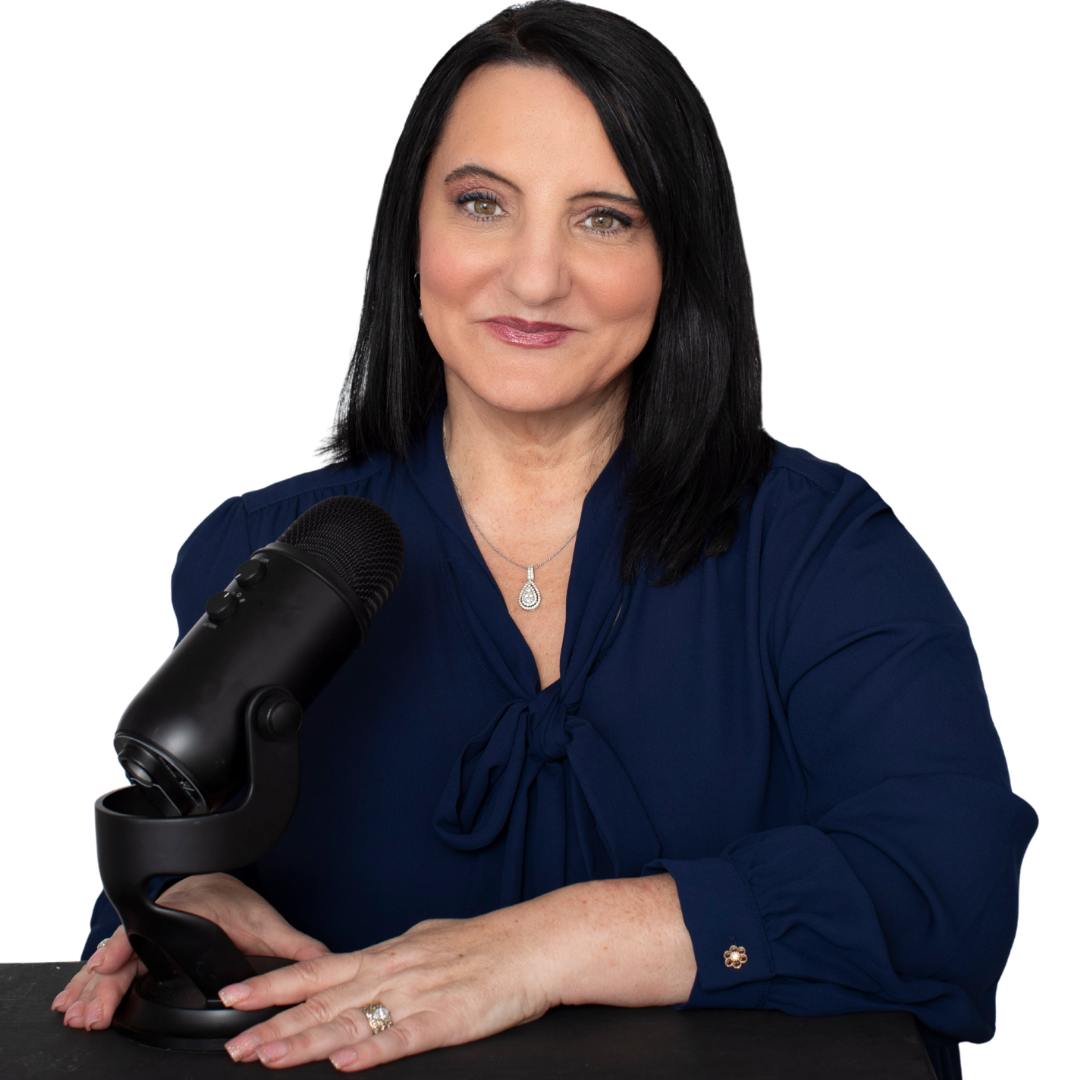
Dr. Roseann Capanna-Hodge is a licensed therapist, certified school psychologist, and leading expert in emotional dysregulation in children. With over 30 years of experience, she helps parents understand the root causes of meltdowns, anxiety, ADHD, and challenging behavior through the lens of nervous system regulation. Dr. Roseann teaches practical, science-backed strategies for co-regulation and how to calm a dysregulated child using her Regulation First Parenting™ approach. She is the host of the Dysregulated Kids Podcast and author of The Dysregulated Kid.
Dr. Roseann Capanna-Hodge
Emotional Dysregulation in Children & Nervous System Expert
Regulation First Parenting™ | CALMS Protocol™
Host of the Dysregulated Kids Podcast (Top 1% Globally)
Author of The Dysregulated Kid