Find Your Solution
In 3 minutes, you’ll know where to start ➤
%20.png)





Estimated Reading Time: 6 minutes
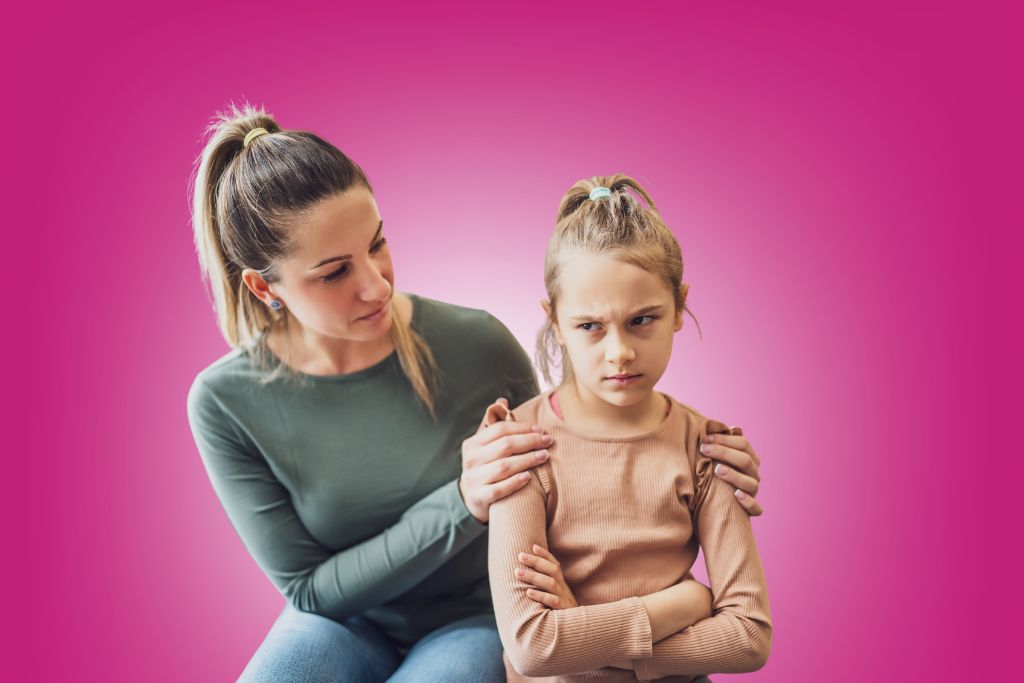
If your child is anxious, stuck in intrusive thoughts, or overwhelmed by stress, it can feel exhausting and isolating. You’re not alone and it’s not bad parenting. Anxiety and OCD often manifest because the nervous system is dysregulated, making even simple tasks feel impossible.
In this episode, I explain how PEMF therapy helps calm the nervous system, reduce anxiety and OCD symptoms, and support better sleep and emotional regulation. You’ll learn practical ways to integrate PEMF into your child’s daily routine for real, lasting relief.
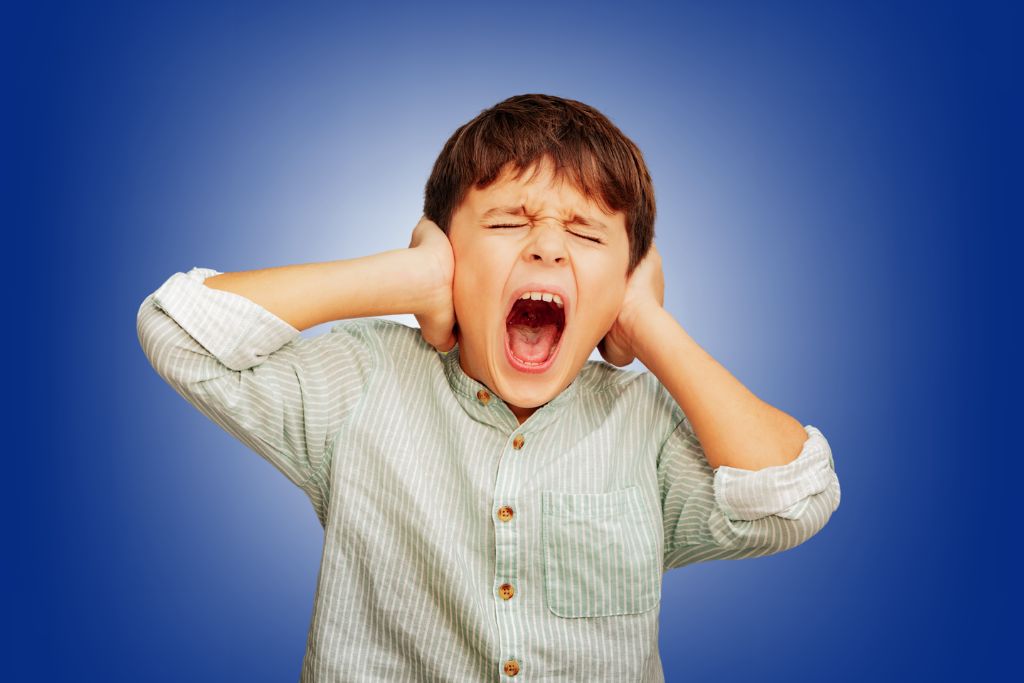
Anxiety isn’t about willpower, it’s the brain stuck in fight-or-flight mode. When the dysregulated child experiences overstimulation, even minor stressors feel huge.
Signs to watch for:
Parent Story: A teen who struggled with “What if?” thoughts before bedtime started using PEMF nightly. Within a week, sleep improved and evening anxiety decreased.
Yelling less and staying calm isn’t about being perfect—it’s about having the right tools. Join the Dysregulation Insider VIP list and get your FREE Regulation Rescue Kit, designed to help you handle oppositional behaviors without losing it.
Download it now at www.drroseann.com/newsletter
PEMF sends low-frequency signals to the nervous system, helping children shift into a parasympathetic state—the “calm and rest” mode.
Benefits for emotional regulation and focus:
Calm nervous system = better attention, mood, and coping.
For kids with OCD in children, intrusive thoughts and compulsions are brain-based stress signals, not defiance. PEMF reduces sympathetic overdrive, which makes exposure therapy and coping strategies more effective.
What parents notice:
Scenario: A teen using PEMF before ERP sessions reported that exposures felt “less scary,” allowing her to practice skills with confidence.
Poor sleep amplifies anxiety and emotional reactivity. PEMF supports deeper, more restorative sleep by improving vagal tone and calming brain activity.
Sleep benefits include:
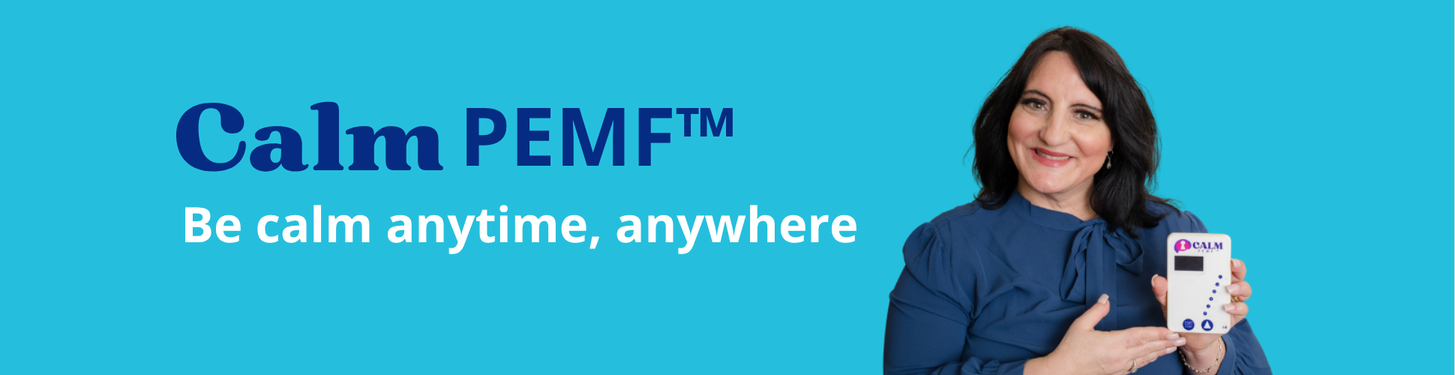
PEMF is safe, non-invasive, and practical for family use. Devices can be portable or used during rest periods.
Tips for home use:
Not all anxiety or OCD can be managed with PEMF alone. Seek professional help if your child’s symptoms interfere with school, sleep, or relationships.
Red flags:
A Dysregulated Child benefits from a coordinated approach: PEMF + therapy + parent co-regulation.
Combine PEMF with lifestyle and self-regulation supports for best outcomes:
Calming the brain first creates the foundation for attention, focus, and emotional resilience.
Yes. It regulates the nervous system, which reduces over-reactivity to noise, touch, and other sensory inputs.
No. PEMF is a supportive tool, best used alongside therapy, regulation strategies, and nutrition.
Yes. When used as directed, PEMF is non-invasive and well-tolerated by children.
Yes. It promotes deep, restorative sleep by supporting the parasympathetic nervous system.
Some kids feel calmer immediately; others require consistent daily use for several weeks to notice measurable changes.
Feel like you’ve tried everything and still don’t have answers?
The Solution Matcher helps you find the best starting point based on your child’s symptoms, behaviors, and history. It’s fast, free, and based on decades of clinical expertise.
Get your personalized plan now at www.drroseann.com/help
Dr. Roseann Capanna-Hodge is a licensed therapist, certified school psychologist, and leading expert in emotional dysregulation in children. With over 30 years of experience, she helps parents understand the root causes of meltdowns, anxiety, ADHD, and challenging behavior through the lens of nervous system regulation. Dr. Roseann teaches practical, science-backed strategies for co-regulation and how to calm a dysregulated child using her Regulation First Parenting™ approach. She is the host of the Dysregulated Kids Podcast and author of The Dysregulated Kid.
Dr. Roseann Capanna-Hodge
Emotional Dysregulation in Children & Nervous System Expert
Regulation First Parenting™ | CALMS Protocol™
Host of the Dysregulated Kids Podcast (Top 1% Globally)
Author of The Dysregulated Kid