Find Your Solution
In 3 minutes, you’ll know where to start ➤
%20.png)





Estimated Reading Time: 5 minutes
When your child spirals into worry, asks the same question over and over, or gets stuck in intrusive thoughts, it can feel like nothing you say helps. If you're wondering about the things a parent should never say to their child during anxious moments, the answer may surprise you.
These responses aren't about bad parenting. They're about a dysregulated brain that needs safety, connection, and support. When we understand how anxiety in children works, we can replace unhelpful phrases with responses that calm the nervous system and build resilience.
In this episode, I'll break down what not to say, why it matters, and what actually helps children move through fear and uncertainty.
Certain phrases may seem reassuring, but they can unintentionally increase anxiety, shame, or dependence on reassurance.
Instead of saying:
Try saying:
These small language shifts help support regulation instead of increasing stress.
When kids are anxious, their brains are sending out false danger signals. Telling them to stop worrying doesn't stop the alarm. It often makes them feel misunderstood.
Helpful responses include:
Your child is worried about tomorrow's school presentation and keeps asking if they'll mess up.
Instead of:
"Stop worrying. You'll be fine."
Try:
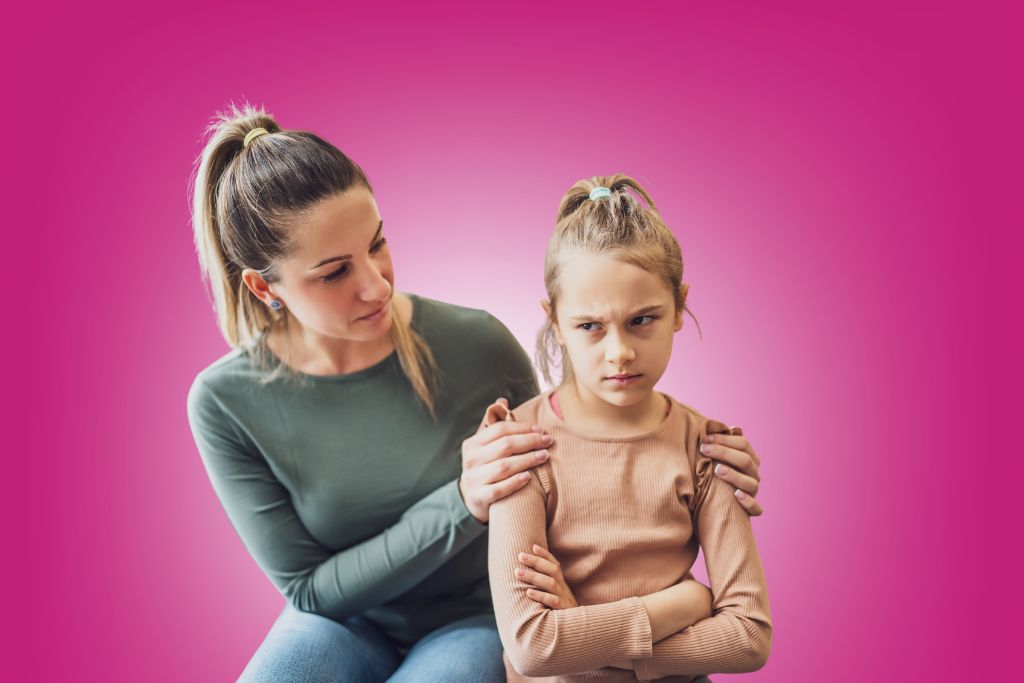
"I can see this feels really stressful. Let's take a breath together."
That response helps calm the nervous system rather than dismissing the fear.
One of the most important skills in parenting a dysregulated child is learning how to validate emotions without reinforcing anxiety.
Children with OCD and anxiety often get trapped in reassurance loops.
They may repeatedly ask:
Repeated reassurance may provide temporary relief, but it strengthens the anxiety cycle.
Instead, focus on building confidence.
Try saying:
Your child asks for the tenth time whether they locked the door.
Instead of checking again, say:
"I know your worry brain wants certainty. What do you already know to be true?"
This helps shift them toward problem-solving and resilience.
Want to stay calm when your child pushes every button?
Become a Dysregulation Insider VIP and get the FREE Regulation Rescue Kit, your step-by-step guide to stop oppositional behaviors without yelling or giving in.
Go to www.drroseann.com/newsletter and grab your kit today.
Many parents worry that validating emotions will reinforce fear.
The opposite is true.
Validation helps regulate the nervous system by communicating:
Try using grounding questions:
Validation:
Validation does not mean agreeing that the fear is true.
It means helping your child feel safe enough to manage it.
When kids are overwhelmed by anxiety, their reactions often appear bigger than the situation itself.
Avoid saying:
Instead try:
A child becomes terrified after having a scary intrusive thought.
Hearing:
"That's silly. Don't think about it."
Often increases shame.
Hearing:
"That thought feels loud right now, but it doesn't define who you are."
Creates safety and connection.
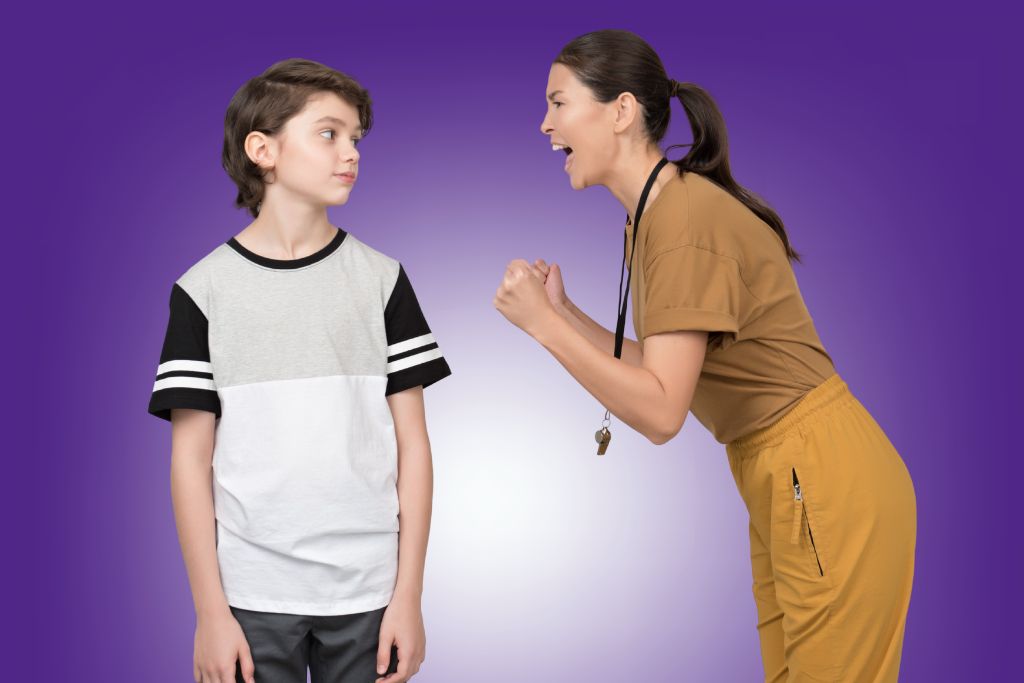
Learning to calm your child without yelling starts with replacing judgment with curiosity and connection.
🗣️ “When we validate without rescuing, we teach kids that discomfort is tolerable, and that's where confidence is built.” — Dr. Roseann
Supporting a child with anxiety or OCD doesn't require perfect words.
It requires:
When you stop using shame-based phrases and start responding through a nervous system lens, you teach your child an important truth:
"I can handle hard feelings."
Whether you're navigating OCD, intrusive thoughts, or anxiety in children, your calm presence helps create the safety their brain needs to regulate.
Remember, you don't have to fix every worry. You just have to help your child learn they can move through it.
.png)
That's normal. Anxiety often pushes kids to seek certainty. Stay calm, hold your boundary, and continue encouraging coping skills instead of reassurance.
Pause before responding. Focus on connection first. Often one calm, validating phrase is more helpful than a long explanation.
No. Validation acknowledges the feeling, not the fear itself. It helps the nervous system settle so your child can think more clearly.
Start with co-regulation. Slow your voice, breathe together, and offer support before problem-solving. This is one of the most effective ways to calm your child without yelling.
Repetitive questioning is often an attempt to reduce uncertainty. Teaching coping skills instead of providing endless reassurance helps build long-term confidence and resilience.
Tired of not knowing what’s really going on with your child?The Solution Matcher gives you a personalized recommendation based on your child’s behavior, not just a label. It’s fast and free.Start here: www.drroseann.com/help
Dr. Roseann Capanna-Hodge is a licensed therapist, certified school psychologist, and leading expert in emotional dysregulation in children. With over 30 years of experience, she helps parents understand the root causes of meltdowns, anxiety, ADHD, and challenging behavior through the lens of nervous system regulation. Dr. Roseann teaches practical, science-backed strategies for co-regulation and how to calm a dysregulated child using her Regulation First Parenting™ approach. She is the host of the Dysregulated Kids Podcast and author of The Dysregulated Kid.
Dr. Roseann Capanna-Hodge
Emotional Dysregulation in Children & Nervous System Expert
Regulation First Parenting™ | CALMS Protocol™
Host of the Dysregulated Kids Podcast (Top 1% Globally)
Author of The Dysregulated Kid