Find Your Solution
In 3 minutes, you’ll know where to start ➤
%20.png)





Estimated Reading Time: 6 minutes
If your child is struggling and nothing seems to explain why, it’s heartbreaking and you’re not doing anything wrong. Dysregulated children often show overlapping symptoms of PANS/PANDAS, ADHD, and mood disorders. Understanding the root cause helps you respond effectively.
In this episode, I break down why misdiagnosis is so common, how to identify patterns and triggers, and the brain-based differences that guide kids toward the right support.
One of the biggest challenges is that these conditions impact similar brain regions—attention, emotional regulation, and impulse control—so behaviors can appear identical.
Key differences:
Parent Story: One mom shared that her daughter had “ADHD days” and “fine days”, a classic red flag for PANS/PANDAS because ADHD doesn’t fluctuate like that.
Parents often notice that their child seems focused one day and scattered the next. This is often a clue to underlying conditions.
Patterns to watch for:
Takeaway: The brain isn’t misbehaving, it’s inflamed or dysregulated.
Why does my child melt down so quickly and intensely?
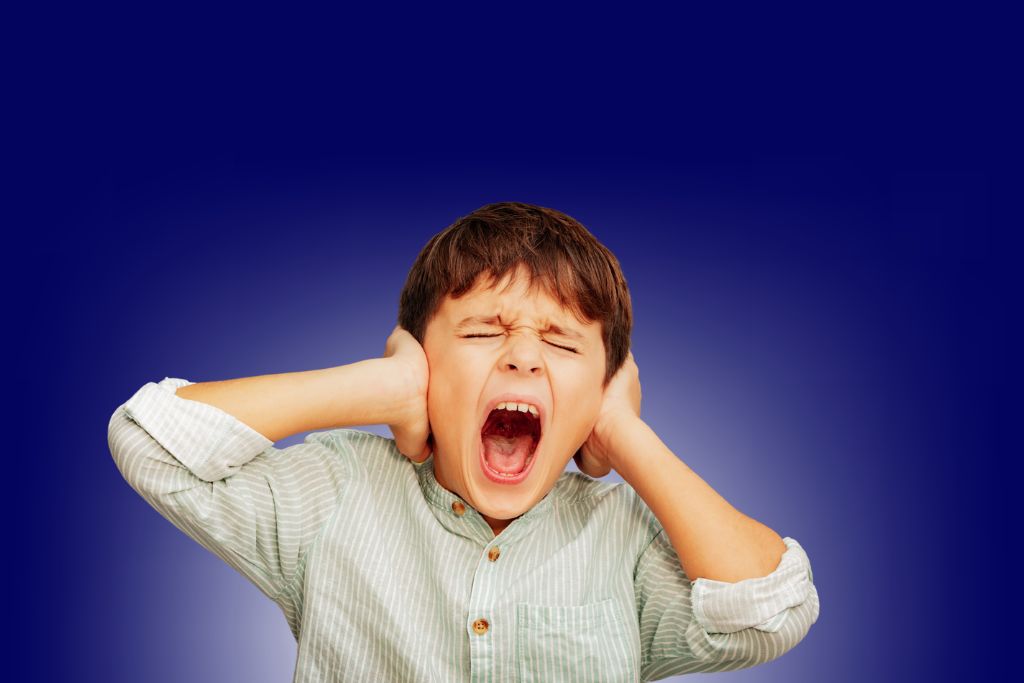
Behavior is communication. Emotional dysregulation in children shows up differently depending on the underlying condition.
Mood disorders develop slowly and steadily; they rarely appear overnight.
Signs it may be a mood disorder:
Signs it may not be a mood disorder:
🗣️ “You can’t get proper help without understanding what’s truly driving your child’s behavior.” — Dr. Roseann
Keeping a detailed record helps uncover what’s driving behaviors.
What to track:
Parent Story: One dad shared, “Once we tracked flares, everything finally made sense.” Patterns reveal root causes and the right interventions.
Understanding the nuances between PANS/PANDAS, ADHD, and mood disorders is just the first step. Advocacy ensures your child gets timely, appropriate care:
Parent Story: One mom shared that by keeping a detailed log and sharing it at appointments, she helped her pediatrician distinguish ADHD from PANS flares, leading to a more targeted and effective treatment plan.
“I’ve tried everything and nothing works.” I hear this every single day. Dysregulated kids need regulation first, not behavior correction. Discover the missing piece in The Dysregulated Kid. Order now.
.png)
Look for sudden onset, symptom waves, OCD, eating changes, or behavior shifts after infections.
Yes, both cause inattention and dysregulation, but PANS/PANDAS fluctuates dramatically.
Yes. Immune-triggered inflammation can create rapid shifts in mood and behavior.
Mood disorders are persistent; dysregulation fluctuates based on stress and triggers.
Feel like you’ve tried everything and still don’t have answers? The Solution Matcher helps you find the best starting point based on your child’s symptoms, behaviors, and history. It’s fast, free, and based on decades of clinical expertise.
Get your personalized plan now at www.drroseann.com/help
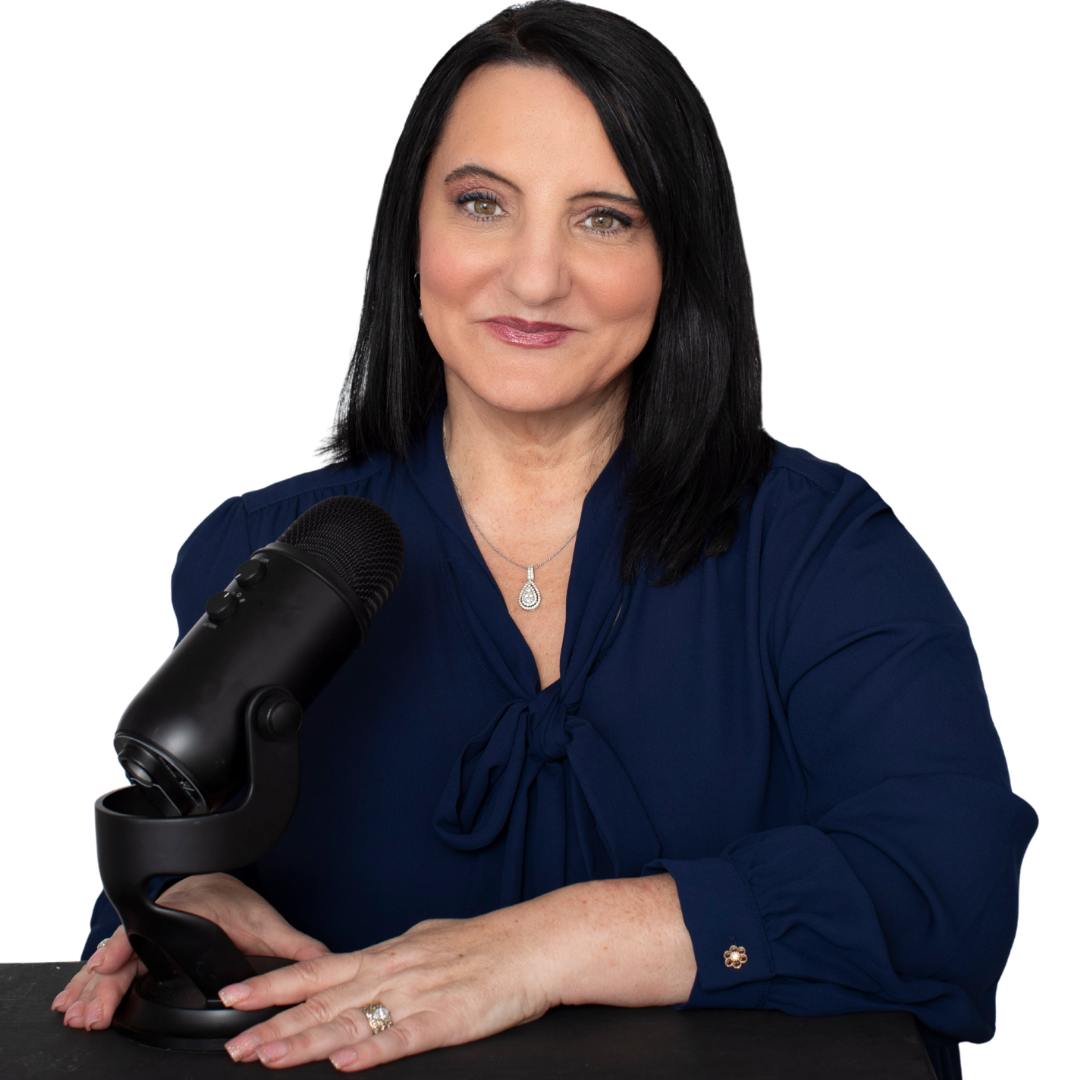
Dr. Roseann Capanna-Hodge is a licensed therapist, certified school psychologist, and leading expert in emotional dysregulation in children. With over 30 years of experience, she helps parents understand the root causes of meltdowns, anxiety, ADHD, and challenging behavior through the lens of nervous system regulation. Dr. Roseann teaches practical, science-backed strategies for co-regulation and how to calm a dysregulated child using her Regulation First Parenting™ approach. She is the host of the Dysregulated Kids Podcast and author of The Dysregulated Kid.
Dr. Roseann Capanna-Hodge
Emotional Dysregulation in Children & Nervous System Expert
Regulation First Parenting™ | CALMS Protocol™
Host of the Dysregulated Kids Podcast (Top 1% Globally)
Author of The Dysregulated Kid