Find Your Solution
In 3 minutes, you’ll know where to start ➤
%20.png)





Estimated Reading Time: 7 Minutes
These shifts often leave parents wondering: "What happened?"
The answer frequently comes down to nervous system regulation.
When children are either overstimulated or understimulated, their behavior changes because their nervous system is struggling to maintain balance.
Understanding the difference between overstimulation and understimulation is one of the most important skills parents can develop because behavior is often the first clue that something deeper is happening.
In this episode, I explain how nervous system imbalances affect behavior, the signs of overstimulation and understimulation, and what parents can do to help their child regain balance.
Every child's nervous system is constantly responding to their environment.
It absorbs:
When the nervous system receives too much or too little stimulation, regulation becomes difficult.
One of the most important things parents need to understand is that the nervous system doesn't distinguish between positive and negative stress.
A new puppy.
A birthday party.
Bullying.
A difficult test.
All of these can activate the stress response.
The brain releases stress hormones, including cortisol.
When cortisol remains elevated:
If the nervous system never receives the signal that it's safe, children can become stuck in a cycle of dysregulation.
Many parents assume dysregulation always looks loud.
It doesn't.
Some children appear quiet, withdrawn, or disconnected.
Understimulated children often struggle to generate enough activation to engage fully with their environment.
Their nervous systems may need more input to stay alert and engaged.
A child sits in class staring out the window.
Teachers assume they aren't trying.
In reality, their nervous system is struggling to maintain engagement.
The issue isn't effort.
It's regulation.
Children who remain understimulated may fall behind academically and socially because they aren't fully able to access learning opportunities.
Overstimulation is often easier for parents to recognize.
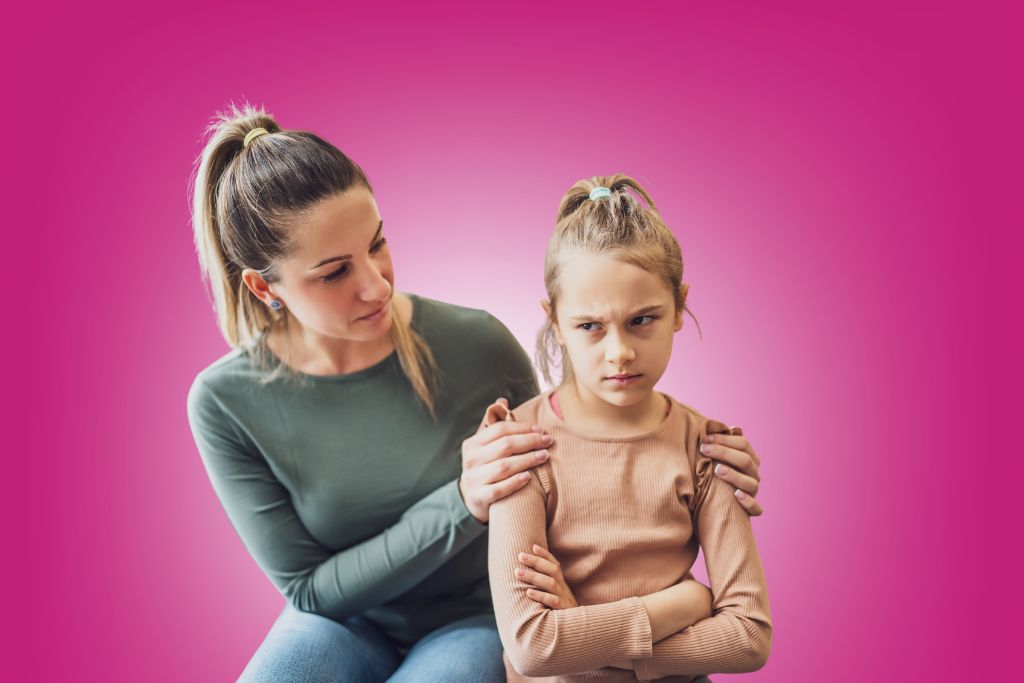
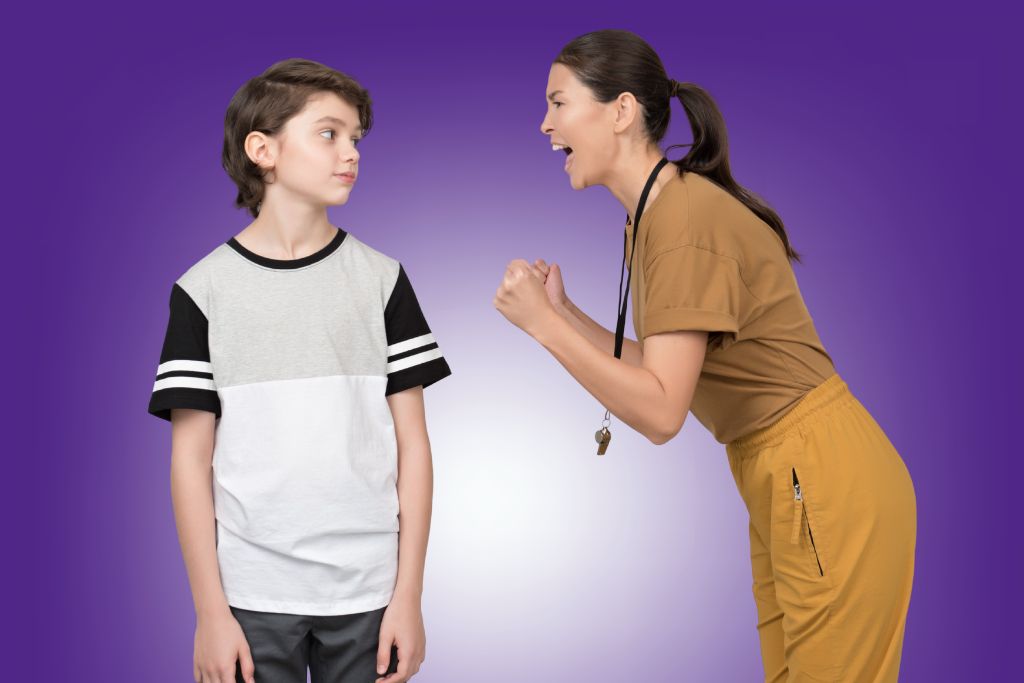
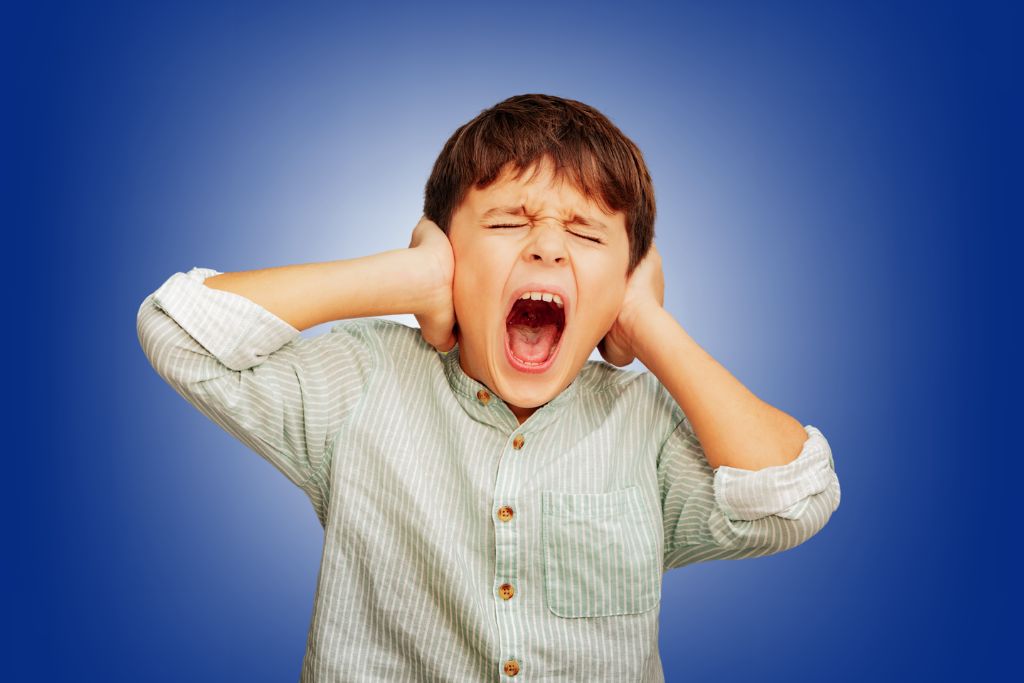
These children tend to be highly reactive.
A child transitions off a device and immediately erupts into a meltdown.
Parents often focus on the behavior.
The nervous system was already overloaded.
The transition simply pushed it past its limit.
One of the biggest clues that overstimulation is occurring is how long it takes a child to recover.
Short emotional reactions are normal.
Frequent, intense meltdowns with long recovery periods often signal nervous system dysregulation.
🗣️ "Some days your child might seem off. This is often the nervous system caught in a cycle of dysregulation." — Dr. Roseann
Need help calming your child's nervous system?
The Regulation Rescue Kit provides practical Regulation First Parenting™ tools that help reduce meltdowns, improve emotional regulation, and create more peace at home. Become a Dysregulation Insider VIP and get your FREE kit: www.drroseann.com/newsletter
Children with:
often have nervous systems that respond differently to stimulation.
They may:
The nervous system processes information differently.
As a result, seemingly minor stressors can feel overwhelming.
That's why one-size-fits-all parenting strategies often fail.
The nervous system is influenced by far more than behavior.
Research shows that even short periods of screen use can alter nervous system functioning.
Children often move from:
to
after prolonged screen exposure.
A child appears perfectly happy while gaming.
Thirty minutes later, they seem exhausted and emotionally reactive.
The nervous system has shifted dramatically.
One of the most powerful things parents can do is become a nervous system detective.
Ask yourself:
Pay attention to:
These patterns reveal valuable information.
Don't take the behavior personally.
The goal isn't blame.
The goal is understanding.
Once you recognize nervous system imbalances, the next step is regulation.
Support your child through:
Many parents wait too long.
They hope things will improve on their own.
Often, they don't.
Seeking support is not failure.
It's proactive parenting.
When children are overstimulated or understimulated, behavior changes.
The behavior isn't the problem.
It's the signal.
Your child isn't giving you a hard time.
They're having a hard time.
The more we understand nervous system regulation, the better equipped we are to support our children.
Remember:
Small changes can create remarkable improvements.
It's gonna be OK.
An overstimulated child often appears hyperactive, emotional, or reactive, while an understimulated child may seem withdrawn, unfocused, fatigued, or disengaged.
Yes. Many children with ADHD experience nervous system dysregulation, making them more vulnerable to overstimulation and emotional reactivity.
Frequent meltdowns, difficulty recovering from stress, zoning out, emotional outbursts, and chronic irritability are common signs.
Absolutely. Excessive screen use can contribute to both overstimulation and understimulation, depending on the child and situation.
If behaviors are frequent, intense, prolonged, or interfering with daily life, school, friendships, or family functioning, it may be time to seek support.
Not sure where to start?
Use the Solution Matcher to get personalized recommendations based on your child's emotional and behavioral needs. Start here: www.drroseann.com/help
Dr. Roseann Capanna-Hodge is a licensed therapist, certified school psychologist, and leading expert in emotional dysregulation in children. With over 30 years of experience, she helps parents understand the root causes of meltdowns, anxiety, ADHD, and challenging behavior through the lens of nervous system regulation. Dr. Roseann teaches practical, science-backed strategies for co-regulation and how to calm a dysregulated child using her Regulation First Parenting™ approach. She is the host of the Dysregulated Kids Podcast and author of The Dysregulated Kid.
Dr. Roseann Capanna-Hodge
Emotional Dysregulation in Children & Nervous System Expert
Regulation First Parenting™ | CALMS Protocol™
Host of the Dysregulated Kids Podcast (Top 1% Globally)
Author of The Dysregulated Kid