Find Your Solution
In 3 minutes, you’ll know where to start ➤
%20.png)





Estimated Reading Time: 5 minutes
When your child is unfocused, irritable, or melting down, it’s often a sign their brain needs more support. Low magnesium is a common root cause that can affect attention, mood, sleep, and stress regulation. If you're looking for natural ways to improve magnesium for focus, this episode explains why this essential mineral plays such a powerful role in brain health and behavior.
You’ll learn how magnesium supports nervous system regulation in children, the signs of deficiency, and which forms may be most helpful for focus, mood, and emotional regulation.
Magnesium is involved in more than 300 processes throughout the body, including many that support brain function and emotional regulation.
When the brain has enough magnesium, many children experience:
A child who was irritable and "all over the place" after school began magnesium supplementation. Within a few weeks, homework battles became less intense, and emotional reactions decreased significantly.
Magnesium helps support self-regulation skills for children by giving the nervous system the resources it needs to stay calm and organized.
Because behavior is communication, your child’s actions can sometimes be early clues that their body is depleted.
Common signs of magnesium deficiency include:
Many parents are surprised to learn that these symptoms can contribute to child behavior problems and emotional dysregulation.
If your child seems constantly on edge or struggles to recover from everyday stress, low magnesium may be one factor worth exploring.
Even families who prioritize healthy eating often struggle to meet their magnesium needs through food alone.
Magnesium-rich foods include:
However, several factors can make it difficult for kids to get enough magnesium.
Challenges include:
The reality is that many children need more support than food alone can provide.
And remember, staying calm isn't about perfection. It's about having the right tools and supports for both you and your child.
Join the Dysregulation Insider VIP list and get your FREE Regulation Rescue Kit, designed to help you handle oppositional behaviors without losing it.
Download it now at www.drroseann.com/newsletter
Not all magnesium supplements are created equal.
Some forms, such as magnesium oxide, are poorly absorbed and primarily affect digestion rather than brain function.
For children struggling with focus, mood, and regulation, I recommend highly bioavailable forms that support the brain directly.
Benefits include:
Benefits include:
Benefits include:
These forms are included in Neurotastic™ Multi-Mag Brain™ Formula because they provide comprehensive support for magnesium for focus, mood, and emotional regulation.

Magnesium helps regulate the body's stress response.
When magnesium levels are low, children may struggle with:
Supporting nervous system regulation in children means giving the brain the nutrients it needs to function efficiently.
When the nervous system is calm:
🗣️ “When we support the brain with nutrients like magnesium, kids aren’t fighting from underneath. Their nervous system finally has what it needs to focus, sleep, and cope.” — Dr. Roseann
Magnesium is not a cure-all, but it can be an incredibly powerful tool when a child's brain is depleted.
Regulation First Parenting™ teaches us that when we calm the nervous system first, everything else becomes easier:
Your child isn't broken. They may simply need targeted support to strengthen self-regulation skills for children and reduce the child behavior problems that often stem from nervous system dysregulation.
Some parents notice improvements in sleep, irritability, or emotional regulation within a few days. More noticeable changes in focus and attention often develop over several weeks of consistent use.
Yes. Magnesium supports neurotransmitters involved in mood, focus, and stress regulation. It is often a helpful part of a broader plan for nervous system regulation in children.
Many children can safely take magnesium daily when the appropriate form and dosage are used. Always consult your child’s healthcare provider before starting any supplement regimen.
It can. Magnesium supports the nervous system's ability to stay calm and balanced, which may reduce irritability, emotional reactivity, and other common child behavior problems.
Tired of not knowing what’s really going on with your child?
The Solution Matcher gives you a personalized recommendation based on your child’s behavior, not just a label. It’s free, takes just a few minutes, and shows you the best next step.
Go to www.drroseann.com/help
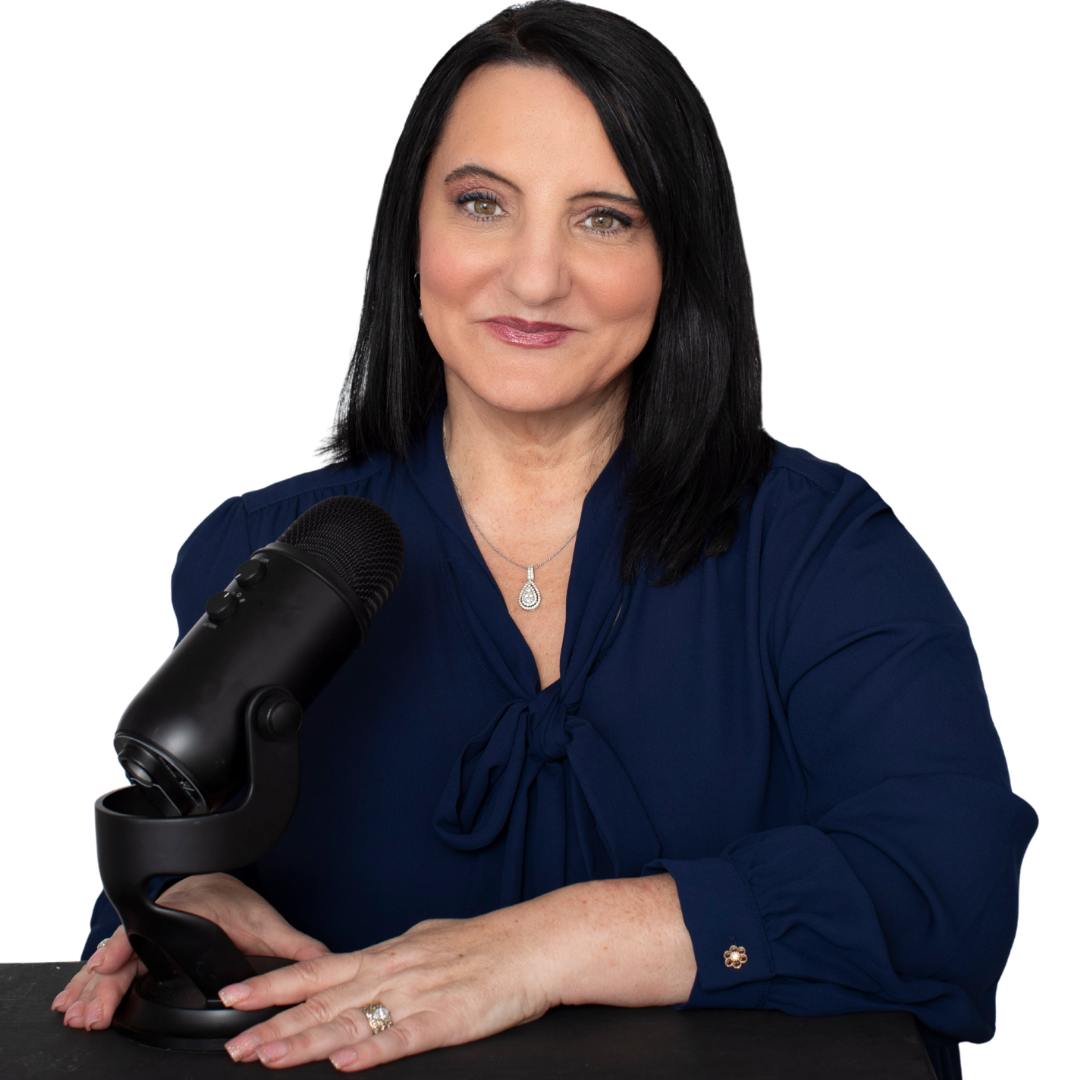
Dr. Roseann Capanna-Hodge is a licensed therapist, certified school psychologist, and leading expert in emotional dysregulation in children. With over 30 years of experience, she helps parents understand the root causes of meltdowns, anxiety, ADHD, and challenging behavior through the lens of nervous system regulation. Dr. Roseann teaches practical, science-backed strategies for co-regulation and how to calm a dysregulated child using her Regulation First Parenting™ approach. She is the host of the Dysregulated Kids Podcast and author of The Dysregulated Kid.
Dr. Roseann Capanna-Hodge
Emotional Dysregulation in Children & Nervous System Expert
Regulation First Parenting™ | CALMS Protocol™
Host of the Dysregulated Kids Podcast (Top 1% Globally)
Author of The Dysregulated Kid