Find Your Solution
In 3 minutes, you’ll know where to start ➤
%20.png)





Estimated Reading Time: 8 Minutes
Parents often feel trapped in a cycle of managing meltdowns, emotional outbursts, anxiety, and dysregulated behavior.
One day seems harder than the next.
And many families are left wondering:
What am I missing?
The truth is that challenging behaviors are often signals of a dysregulated nervous system.
When the brain is stuck in survival mode, children struggle with:
This is why nervous system regulation is at the heart of lasting change.
In this special episode, we introduce the 12 Days of Behavioral and Emotional Regulation Tools—a collection of resources designed to help families move from overwhelm to calm by supporting the brain and nervous system.
Because when we regulate the brain, everything becomes easier.
Many parents view emotional outbursts as behavior problems.
But behavior is communication.
When children become overwhelmed, their nervous systems often shift into survival mode.
This may show up as:
A dysregulated nervous system struggles to access:
As I often say, calm the brain first, everything else follows.
The goal isn't controlling behavior.
The goal is supporting regulation.
When the nervous system is balanced, children are more capable of:
This is why nervous system regulation is often the missing piece for families who feel stuck.
Many traditional approaches focus only on behavior.
But if the nervous system remains dysregulated, behavior challenges often continue.
The tools highlighted throughout this series are designed to address the root cause rather than simply manage symptoms.
One of the most practical resources available is Quick CALM.
Quick CALM provides simple, actionable tools designed to help families regulate emotions during stressful moments.
The program includes strategies based on the CALMS Protocol™, helping parents:
The most effective regulation tools are often the simplest.
Consistency with small actions creates powerful long-term change.
Real-Life Example
Many families use Quick CALM strategies during transitions, meltdowns, school struggles, and emotionally charged moments to help children regain regulation more quickly.
Every child is different.
This is why targeted resources can be so valuable.
Parent Kits are designed to support specific challenges such as:
Each kit provides parents with:
The goal is helping parents spend less time searching for answers and more time implementing solutions.
Behavioral regulation and executive functioning are closely connected.
Children who struggle with executive functioning often have difficulty with:
The Executive Function Toolkit helps families build these critical skills in a practical and manageable way.
As I often remind parents, executive functioning skills are life skills.
When children improve these abilities, everything becomes easier.
Many families are interested in natural approaches that support brain and nervous system health.
The Natural Solutions Quick Start Bundle provides an introduction to:
The goal is helping families understand options that may support emotional and behavioral regulation without feeling overwhelmed by information.
Knowledge creates confidence.
And confidence creates action.
Need help calming your child's nervous system?
The Regulation Rescue Kit provides practical Regulation First Parenting™ tools that help improve emotional regulation, focus, and behavior. Become a Dysregulation Insider VIP and get your FREE kit: www.drroseann.com/newsletter
One of the most common nutrient deficiencies impacting nervous system function is magnesium.
Magnesium plays a role in:
Our Neurotastic™ Multi Magnesium Brain Formula was developed using highly bioavailable forms of magnesium designed to support:
A well-supported nervous system is often better able to manage stress and emotional challenges.
If you're feeling overwhelmed by your child's behavior, start with nervous system regulation. The more regulated the brain becomes, the easier everything else gets.
🗣️ “Behavior is the signal. Nervous system regulation is the solution.” — Dr. Roseann
Behavioral and emotional regulation isn't about finding one perfect solution.
It's about creating a collection of tools that support the brain, nervous system, and family as a whole.
Start with regulation.
Build skills.
Stay consistent.
Seek support.
And remember that every small step toward calm creates momentum for bigger change.
It's gonna be OK.
Listen to the full episode to learn more about the 12 Days of Behavioral and Emotional Regulation Tools and discover resources that can help your family move from overwhelm to calm.
Not sure where to start?
Use the Solution Matcher to get personalized recommendations based on your child's emotional and behavioral needs. Start here: www.drroseann.com/help
Emotional dysregulation often occurs when the nervous system becomes overstimulated, stressed, or stuck in survival mode.
Regulation supports emotional control, attention, behavior, learning, and overall mental health.
The CALMS Protocol™ is a practical framework designed to help parents support nervous system regulation and emotional balance.
Executive functioning skills help children manage emotions, stay organized, solve problems, and regulate impulses.
Parents who receive education, guidance, and community support are often better equipped to help their children navigate behavioral and emotional challenges.
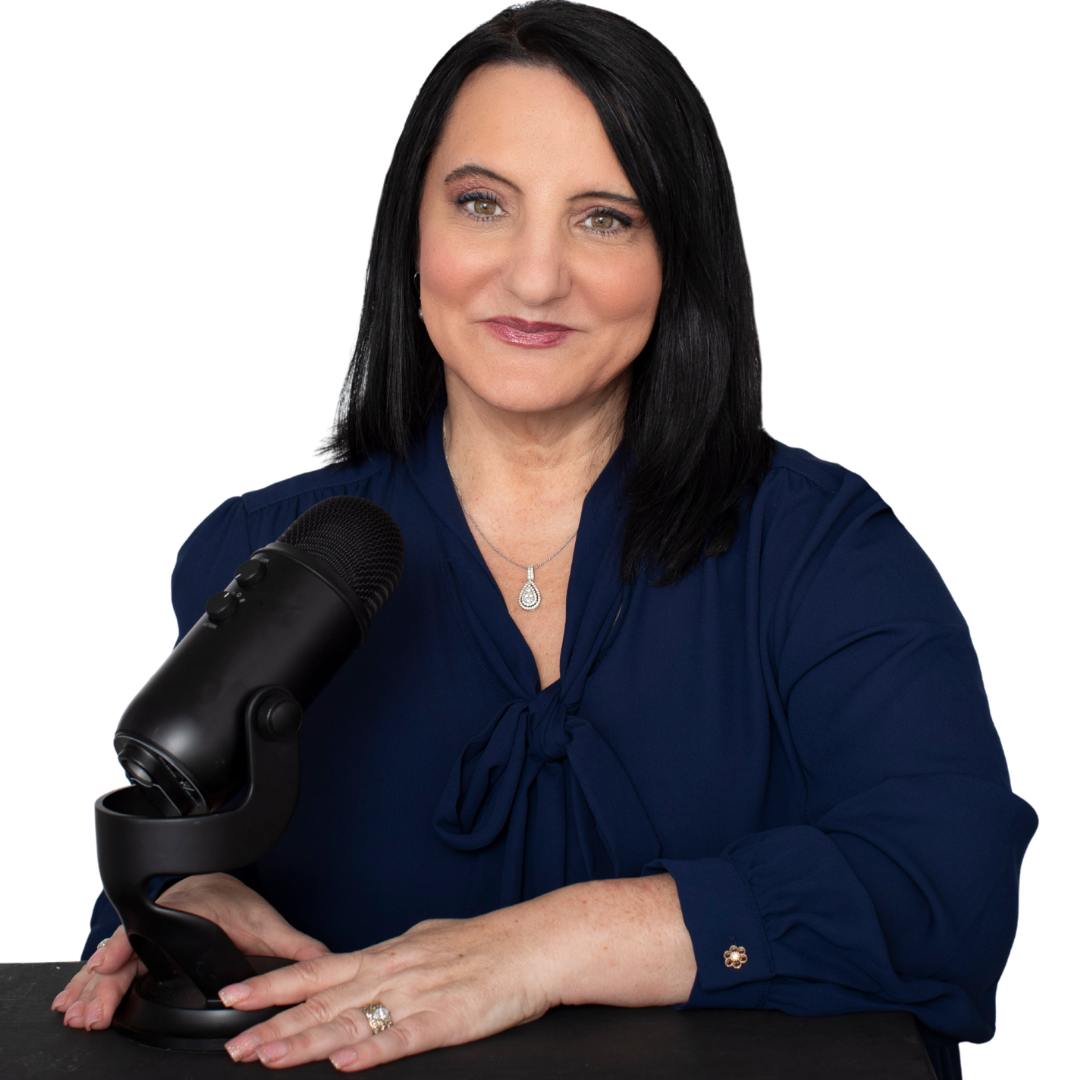
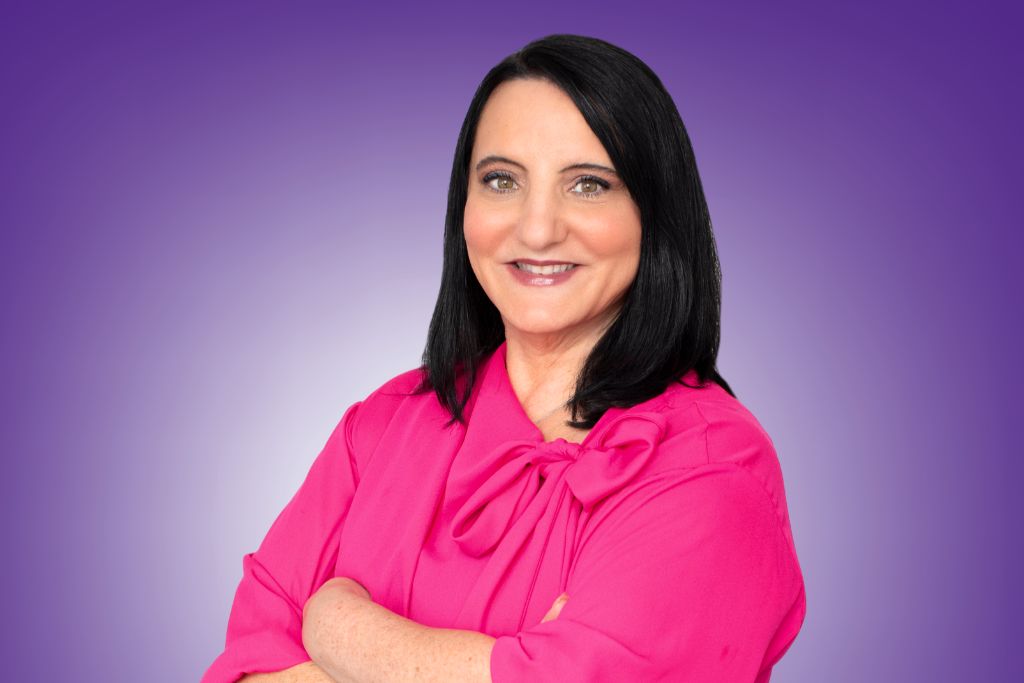
Dr. Roseann Capanna-Hodge is a licensed therapist, certified school psychologist, and leading expert in emotional dysregulation in children. With over 30 years of experience, she helps parents understand the root causes of meltdowns, anxiety, ADHD, and challenging behavior through the lens of nervous system regulation. She is the creator of Regulation First Parenting™, host of the Dysregulated Kids Podcast, and author of The Dysregulated Kid.
Dr. Roseann Capanna-Hodge
Emotional Dysregulation in Children & Nervous System Expert
Regulation First Parenting™ | CALMS Protocol™
Host of the Dysregulated Kids Podcast (Top 1% Globally)
Author of The Dysregulated Kid