Find Your Solution
In 3 minutes, you’ll know where to start ➤
%20.png)





Estimated Reading Time: 5 minutes
Parenting a child who goes from calm to chaos in seconds can feel exhausting. You try everything, deep breaths, gentle words, sensory breaks, and even walking away, yet the meltdowns keep coming.
If you're wondering whether something deeper is driving your child's behavior, you're asking the right question.
The connection between minerals and meltdowns is one of the most overlooked pieces of the regulation puzzle. When key nutrients are missing, the nervous system struggles to function properly, making children more vulnerable to emotional outbursts, anxiety, and behavioral dysregulation.
In this episode, Dr. Aaron Hartman and I unpack how minerals, mitochondria, and nervous system health influence your child's ability to stay calm, focused, and emotionally regulated.
Many parents notice that their child's behavior changes dramatically when they're hungry, tired, or overstimulated.
That's not a coincidence.
The brain requires a constant supply of nutrients and energy to regulate emotions effectively.
Low levels of important minerals can contribute to:
May contribute to:
May affect:
When children consume large amounts of:
They often experience energy crashes that increase emotional volatility.
A nutrient-dense diet that supports minerals and meltdowns can help stabilize mood, improve emotional regulation, and reduce stress sensitivity.
Need quick relief while you work on those root causes?
Try Quick Calm, my proven method to calm the brain fast so you and your child can reset and start fresh.

Absolutely.
Many children struggling with emotional regulation have underlying nutritional imbalances that affect brain function.
Research links zinc deficiency with:
Magnesium supports:
B vitamins help support:
Vitamin D plays an important role in:
Excessive exposure to:
May contribute to:
This is one reason the conversation around minerals and meltdowns is so important.
Some families choose to explore:
These tools may help uncover hidden imbalances.
🗣️ “When your child’s body is missing key nutrients, their brain can’t regulate emotions, no matter how many coping tools you teach.” — Dr. Roseann
The good news is that meaningful changes often start with simple adjustments.
You do not need to overhaul your entire kitchen overnight.
Prioritize foods such as:
These foods naturally support mineral intake.
Some families benefit from:
Always consult your healthcare provider before supplementation.
Healthy fats improve absorption of important nutrients.
Examples include:
Children learn best when healthy habits feel enjoyable.
Try:
Dr. Aaron Hartman's reminder is simple:
“Use food like medicine.”
Real food creates the foundation for healthy brain function.
You don't have to figure this out alone.
Become a Dysregulation Insider VIP and get your FREE Regulation Rescue Kit: How to Stay Calm When Your Child Pushes Your Buttons and Stop Oppositional Behaviors.
Head to www.drroseann.com/newsletter and start your calm parenting journey today.
Nutrition is important, but sometimes it isn't the entire story.
Additional factors may contribute to ongoing challenges.
Mitochondria are the body's energy factories.
When they aren't functioning optimally, children may struggle with:
Gut imbalances can affect:
Inflammation may be driven by:
Healthy mitochondria depend on:
These foundational habits support both physical and emotional well-being.
One of the strongest links between minerals and meltdowns is their impact on the stress response.
When the body lacks essential nutrients, it becomes harder to regulate stress.
This may lead to more frequent activation of:
Children may appear:
In many cases, what looks like bad behavior is actually fight flight freeze in kids triggered by nervous system overload.
When the nervous system receives the support it needs, children are better able to stay regulated and resilient.
Healing takes time.
While you're addressing nutrition and health concerns, continue supporting regulation every day.
Helpful tools include:
Movement helps discharge stress from the body.
Breathing supports nervous system recovery.
Calming sensory activities can reduce overwhelm.
Your calm nervous system helps your child feel safe.
Focus on:
Progress matters more than perfection.
The relationship between minerals and meltdowns is real.
When children lack the nutrients their brains need, emotional regulation becomes much harder.
By supporting:
You create the foundation for calmer behavior, better focus, and greater emotional resilience.
Remember:
It's not bad parenting.
It's a dysregulated brain.
And when we support the body and brain together, healing becomes possible.
Deficiencies in minerals such as magnesium and zinc can contribute to anxiety, irritability, poor focus, emotional reactivity, and increased stress sensitivity.
Yes. Magnesium helps regulate the stress response and supports nervous system calming. Low levels may increase anxiety, restlessness, and emotional reactivity.
Nutrient-dense foods such as leafy greens, eggs, salmon, avocado, nuts, and seeds provide important nutrients that support mitochondrial function.
Standard blood tests measure nutrients in circulation, not necessarily inside cells where they're being used. Functional deficiencies can sometimes exist despite normal lab values.
Yes. Supporting nutrient balance, mitochondrial health, and nervous system regulation can help reduce behavioral dysregulation, improve emotional resilience, and decrease the frequency of meltdowns in children.
Every child's journey is different.
That's why cookie-cutter solutions don't work.
Take the free Solution Matcher Quiz and get a customized path to support your child's emotional and behavioral needs.
Start today at www.drroseann.com/help
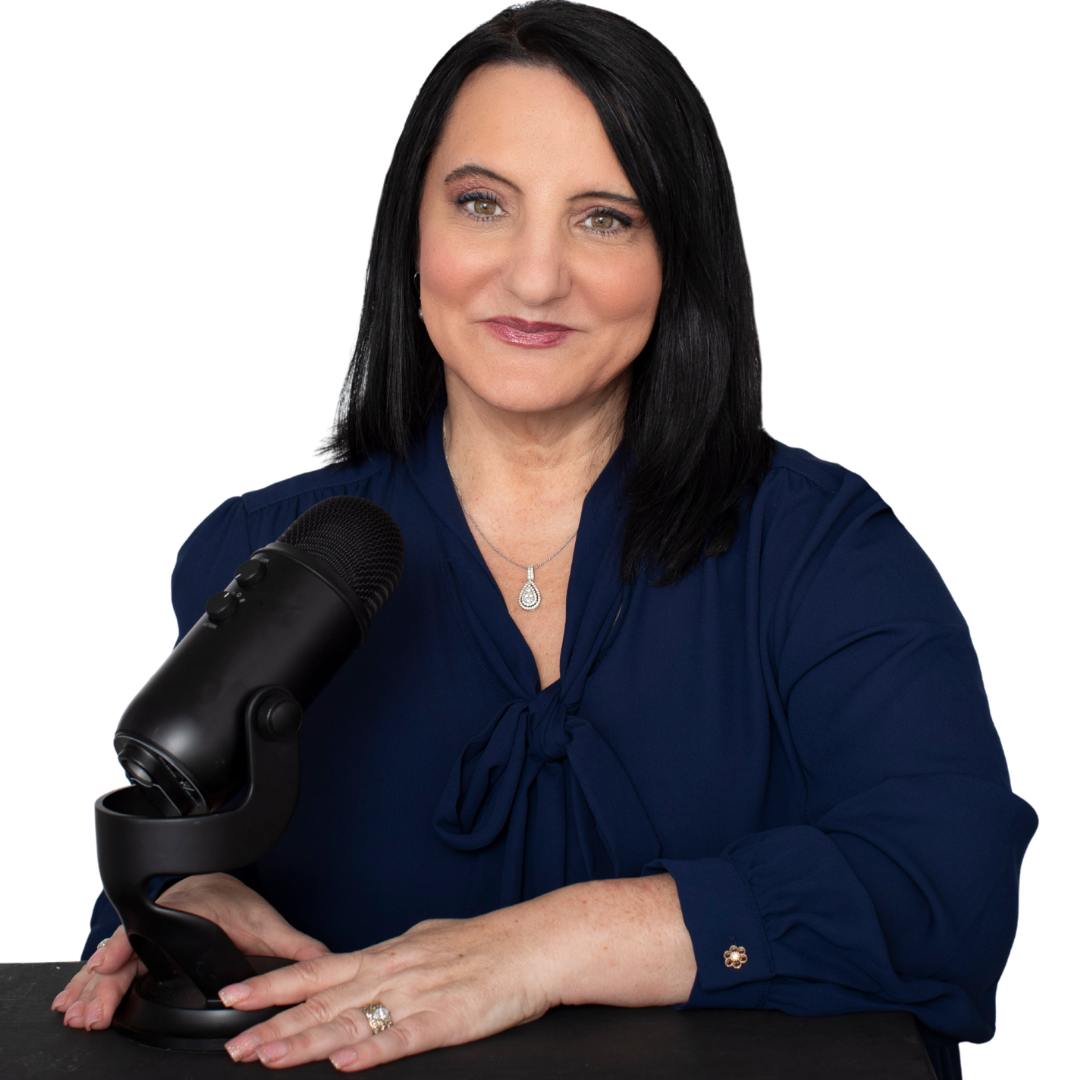
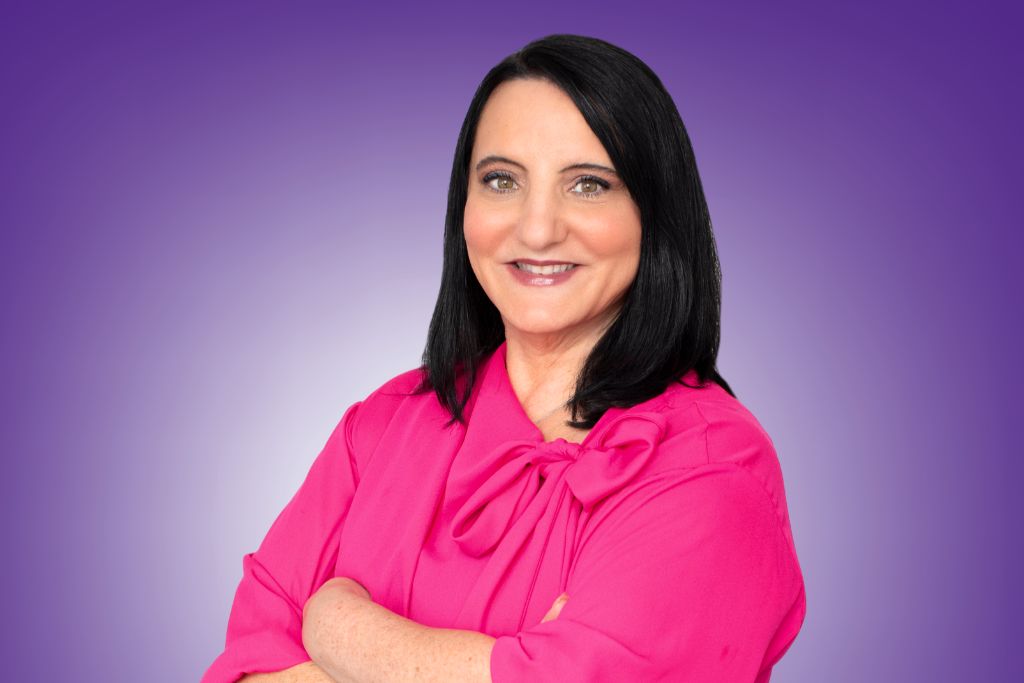
Dr. Roseann Capanna-Hodge is a licensed therapist, certified school psychologist, and leading expert in emotional dysregulation in children. With over 30 years of experience, she helps parents understand the root causes of meltdowns, anxiety, ADHD, and challenging behavior through the lens of nervous system regulation. Dr. Roseann teaches practical, science-backed strategies for co-regulation and how to calm a dysregulated child using her Regulation First Parenting™ approach. She is the host of the Dysregulated Kids Podcast and author of The Dysregulated Kid.
Dr. Roseann Capanna-Hodge
Emotional Dysregulation in Children & Nervous System Expert
Regulation First Parenting™ | CALMS Protocol™
Host of the Dysregulated Kids Podcast (Top 1% Globally)
Author of The Dysregulated Kid