Find Your Solution
In 3 minutes, you’ll know where to start ➤
%20.png)





Estimated Reading Time: 8 Minutes
When a child is dysregulated, parenting can feel exhausting.
You ask them to do something simple and they ignore you.
They overreact to small problems.
They struggle to cope with disappointment.
Or maybe they completely shut down.
Many parents assume these behaviors are intentional, but often they're signs of a dysregulated nervous system.
The good news is that there are practical ways to help.
In this episode, we explore how to deal with a moody child, help children regulate emotions, build coping skills, and develop healthier responses to stress.
Because when the brain is calm, everything works better.
A dysregulated brain often struggles with higher-level thinking skills.
When children are dysregulated, they may have difficulty:
Parents often notice behaviors such as:
As I often say, behavior is communication.
When a child cannot regulate, their behavior tells us their nervous system needs support.
Overstimulated vs. Understimulated Brains
An overstimulated brain may show:
An understimulated brain may show:
Understanding the difference helps parents choose more effective support strategies.
One of the biggest parenting mistakes is assuming behavior is intentional.
When children are dysregulated, they are often struggling rather than choosing.
This doesn't mean we excuse inappropriate behavior.
It means we understand what is driving it.
Instead of thinking:
Try asking:
The moment we stop personalizing behavior, we become more effective at helping children regulate.
The most important parenting tool isn't a strategy.
It's your own nervous system.
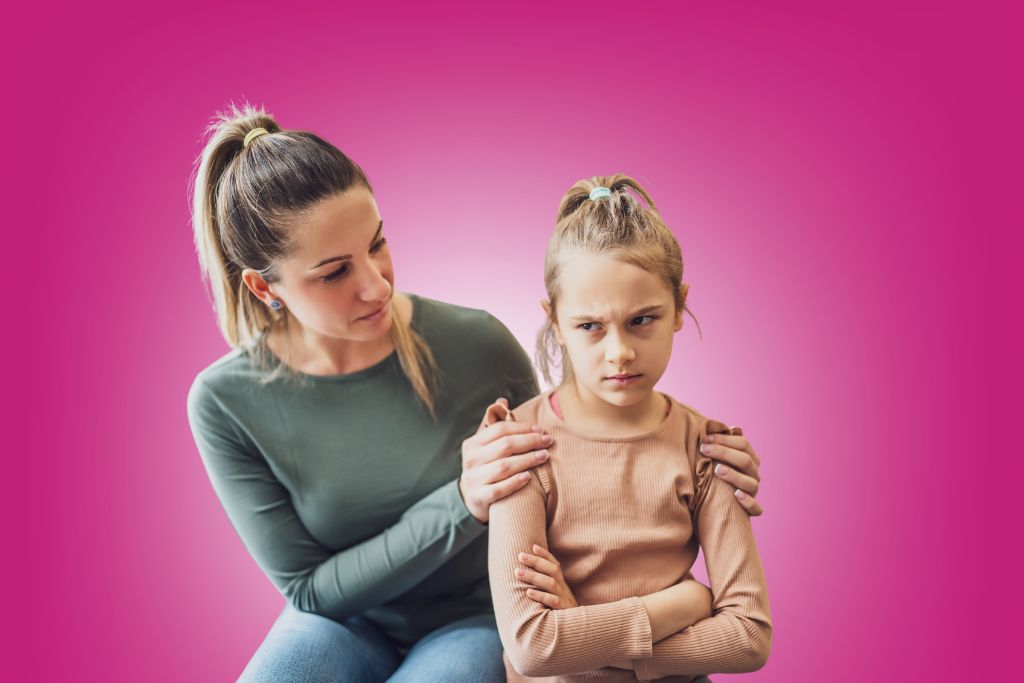
Children co-regulate off the adults around them.
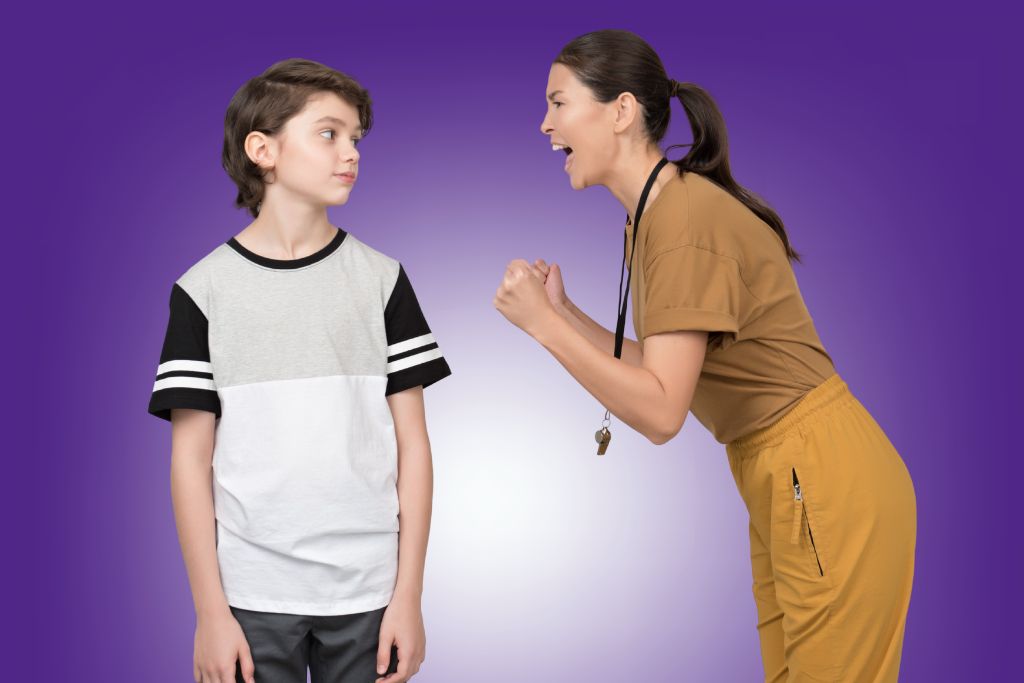
When parents are dysregulated, children often become more dysregulated.
When parents remain calm, children are more likely to settle.
As I often say, your calm is the catalyst.
Helpful self-regulation strategies include:
You do not have to be perfect.
You simply need to be intentional about supporting your own nervous system.
Real-Life Example
If your child is yelling and you respond with yelling, the situation escalates. When you remain calm, you create an opportunity for regulation rather than escalation.
Many parents become overwhelmed because they're trying to fix everything at once.
Instead, choose one behavior.
Ask yourself:
Once you've identified that behavior:
Children learn best through repetition and consistency.
Trying to fix everything often leads to fixing nothing.
Many parents spend most of their time correcting behavior.
The problem is that children often receive more attention for what they do wrong than for what they do right.
Instead:
What gets reinforced gets repeated.
Children build confidence when they experience success.
Real-Life Example
If your child usually explodes when frustrated but this time takes a deep breath, acknowledge it immediately. Small wins matter.
One of my favorite parenting hacks is humor.
Humor can:
Humor should never dismiss feelings.
Instead, it should help children move out of a reactive state and into a more regulated one.
Many families find that playful moments help diffuse conflict before it escalates.
Most dysregulated children struggle with coping.
Many have low frustration tolerance and difficulty managing uncomfortable emotions.
Parents can support coping skill development by teaching:
Children are not born knowing how to cope.
These skills must be taught and practiced.
The more opportunities children have to use coping skills, the stronger those skills become.
There is no single strategy that works overnight.
Regulation is built through repetition.
Consistency teaches the nervous system what to expect.
Whether you're working on:
Consistency matters more than intensity.
Small actions repeated daily create lasting change.
The Regulation Rescue Kit provides practical Regulation First Parenting™ tools that help reduce stress, improve emotional regulation, and create more peace at home. Become a Dysregulation Insider VIP and get your FREE kit: www.drroseann.com/newsletter
🗣️ “A calm brain learns better, listens better, and copes better. Regulation always comes before expectation.” — Dr. Roseann
Learning how to deal with a moody child starts with understanding that behavior is often a signal of dysregulation, not defiance.
When parents stop personalizing behavior and start focusing on nervous system regulation, everything begins to shift.
Regulate yourself first.
Focus on one behavior.
Reinforce progress.
Use humor.
Build coping skills.
And remember, meaningful change happens one small step at a time.
A dysregulated child struggles to manage emotions, behavior, attention, or stress responses because their nervous system is not functioning in a balanced way.
Common causes include anxiety, ADHD, autism, sensory challenges, OCD, learning differences, chronic stress, trauma, and nervous system dysregulation.
Parents can support regulation by regulating themselves first, reinforcing positive behaviors, teaching coping skills, and creating consistent routines.
Children learn emotional regulation through relationships. They often borrow regulation from calm, connected adults.
There is no instant fix, but calming the nervous system through co-regulation, connection, and supportive interventions often helps children regain control more effectively.
Not sure where to start? Use the Solution Matcher to get personalized recommendations based on your child's emotional and behavioral needs. Start here: www.drroseann.com/help
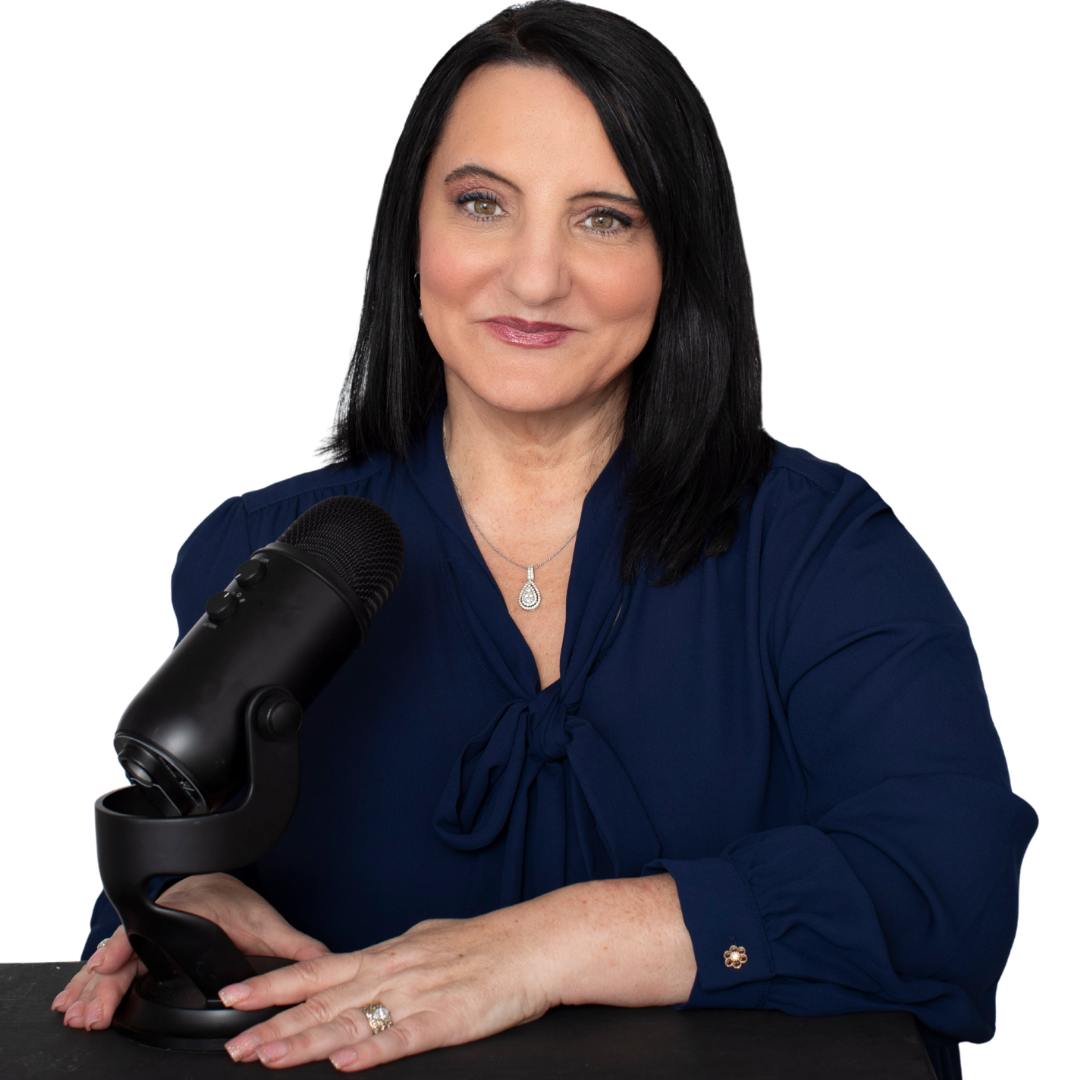
Dr. Roseann Capanna-Hodge is a licensed therapist, certified school psychologist, and leading expert in emotional dysregulation in children. With over 30 years of experience, she helps parents understand the root causes of meltdowns, anxiety, ADHD, autism, learning differences, and challenging behavior through the lens of nervous system regulation. She is the creator of Regulation First Parenting™, host of the Dysregulated Kids Podcast, and author of The Dysregulated Kid.
Dr. Roseann Capanna-Hodge
Emotional Dysregulation in Children & Nervous System Expert
Regulation First Parenting™ | CALMS Protocol™
Host of the Dysregulated Kids Podcast (Top 1% Globally)
Author of The Dysregulated Kid