Find Your Solution
In 3 minutes, you’ll know where to start ➤
%20.png)





Estimated Reading Time: 7 Minutes
Understanding the long-term effects of emotional dysregulation is critical because early intervention can dramatically change a child's future.
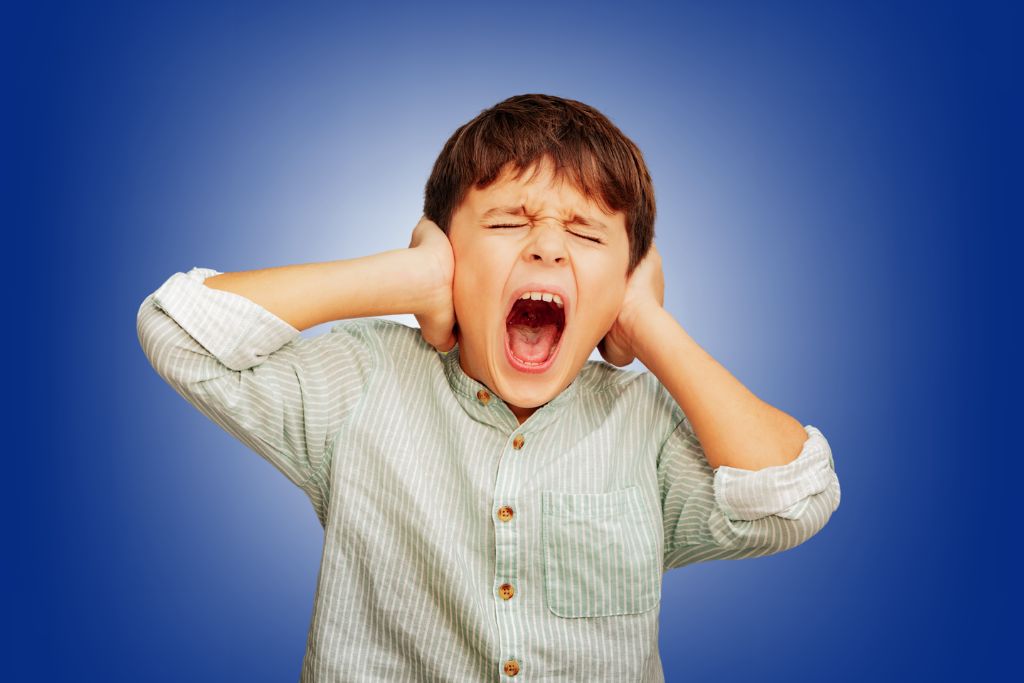
Emotional dysregulation is not simply a behavior problem.
It's a nervous system problem.
And when the nervous system remains stuck in a state of chronic stress, the effects can show up in academics, relationships, mental health, and family functioning.
The good news?
It's never too late to support regulation and change the trajectory.
In this episode, I explain what happens when emotional dysregulation goes unaddressed and what parents can do to help.
Many children experience occasional emotional ups and downs.
That's normal.
What becomes concerning is when emotional dysregulation is:
Children who struggle with emotional regulation often have difficulty:
Over time, these challenges can compound.
When children remain stuck in survival mode:
It's not bad parenting.
It's a dysregulated brain.
One of the most common areas impacted by emotional dysregulation is academics.
When children are dysregulated:
The brain prioritizes survival over learning.
Children may:
Many children with chronic emotional dysregulation are initially identified as having attention problems because their nervous systems remain activated.
While ADHD is real, some children appear inattentive because they are stressed, anxious, overwhelmed, or emotionally dysregulated.
A child who spends the entire school day managing anxiety has fewer mental resources available for learning.
The issue isn't intelligence.
The issue is regulation.
Children learn social skills through relationships.
When emotional regulation is difficult, friendships often become harder to maintain.
Children may:
Some dysregulated children become targets of bullying.
Others may become aggressive toward peers because they lack effective coping skills.
Neither outcome supports healthy development.
Children don't need dozens of friends.
But they do need meaningful connections.
Healthy relationships help children build:
Without those opportunities, social development becomes more difficult.
🗣️ "Dysregulation often manifests as low motivation or avoidance behaviors. This can be mistaken for laziness or defiance when, in reality, the child is battling an activated nervous system." — Dr. Roseann
Need help calming your child's nervous system?
The Regulation Rescue Kit provides practical Regulation First Parenting™ tools that help reduce meltdowns, improve emotional regulation, and strengthen family connection. Become a Dysregulation Insider VIP and get your FREE kit today: www.drroseann.com/newsletter
One of the most overlooked consequences of emotional dysregulation is its impact on the entire family system.
Families frequently describe:
Over time, everyone becomes affected.
Brothers and sisters may:
The family often becomes organized around the dysregulated child's needs.
Parents frequently disagree about:
When everyone is stressed, conflict becomes more likely.
Behavior is communication.
And dysregulation affects the entire household.
Emotional dysregulation doesn't automatically lead to mental health conditions.
But it does increase vulnerability.
Children who struggle with chronic dysregulation may be at higher risk for:
The nervous system remains activated for long periods of time.
The body and brain never fully recover.
A child who repeatedly experiences emotional overwhelm begins avoiding situations that feel challenging.
Over time, avoidance grows.
Confidence shrinks.
Anxiety increases.
This pattern often continues unless intervention occurs.
The earlier emotional dysregulation is addressed, the easier it is to build new patterns.
The goal isn't eliminating emotions.
The goal is helping children:
A child who learns co-regulation skills early often develops stronger resilience than a child who spends years struggling without support.
Small interventions create big changes over time.
Parents often know something is wrong before anyone else does.
Trust those instincts.
Before focusing on consequences or correction:
Children learn best when they feel safe.
Emotional dysregulation isn't something children simply outgrow.
Without support, the effects can ripple into:
But there is hope.
Your child isn't giving you a hard time.
They're having a hard time.
And with the right support, children can learn to regulate emotions, build resilience, and thrive.
Remember:
It's never too late to change the trajectory.
It's gonna be OK.
Emotional dysregulation occurs when children struggle to manage emotions, recover from stress, and respond flexibly to challenges.
Yes. Dysregulation impacts attention, executive functioning, memory, and learning, making school much more difficult.
Absolutely. Emotional overwhelm can interfere with social skills, conflict resolution, flexibility, and relationship-building.
Chronic dysregulation increases vulnerability to anxiety, depression, and other mental health challenges if left unaddressed.
No. While earlier intervention is ideal, children and teens can develop stronger regulation skills at any age with the right support.
Not sure where to start?
Use the Solution Matcher to get personalized recommendations based on your child's emotional and behavioral needs.
Start here: www.drroseann.com/help
Dr. Roseann Capanna-Hodge is a licensed therapist, certified school psychologist, and leading expert in emotional dysregulation in children. With over 30 years of experience, she helps parents understand the root causes of meltdowns, anxiety, ADHD, and challenging behavior through the lens of nervous system regulation. Dr. Roseann teaches practical, science-backed strategies for co-regulation and how to calm a dysregulated child using her Regulation First Parenting™ approach. She is the host of the Dysregulated Kids Podcast and author of The Dysregulated Kid.
Dr. Roseann Capanna-Hodge
Emotional Dysregulation in Children & Nervous System Expert
Regulation First Parenting™ | CALMS Protocol™
Host of the Dysregulated Kids Podcast (Top 1% Globally)
Author of The Dysregulated Kid