Find Your Solution
In 3 minutes, you’ll know where to start ➤
%20.png)





Estimated Reading Time: 5 minutes
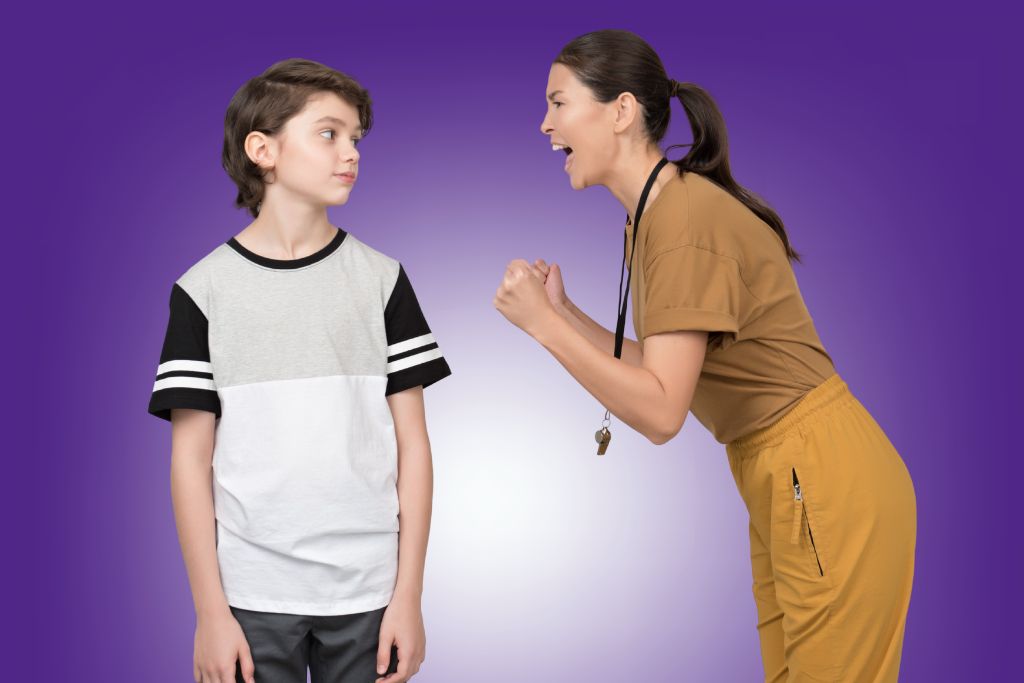
When your child is melting down, shutting down, or spiraling and nothing seems to work, it can feel scary and isolating. You’re not alone. Neurofeedback is one of those proven tools that helps calm the brain so behavior can finally follow. In this episode, I break down what neurofeedback is, how it works, and why it is such a powerful option for struggling kids.In this episode, I answer the real questions parents are Googling every day.
So many parents come to me saying, “Nothing helps. Why is my child still so reactive?” And the answer is usually simple. Their brain is dysregulated, not broken. Neurofeedback works for a dysregulated child because it:
Imagine your child going through their day without always being on high alert. That is what a calmer brain can do.
Parents often worry this is invasive or scary, but a qEEG is simply a noninvasive snapshot of brainwave activity.A qEEG helps you understand:
For example, a parent might say, “My child forgets everything and gets overwhelmed fast.” A qEEG often reveals dysregulated executive functioning networks. When we see it, we know exactly how to support healing.
Every parent wants fast change. I get that. But neurofeedback is like exercise. It builds strength over time.Here is what you can expect:
Real parent scenario: One teen came in with extreme irritability. After consistent sessions, his mom reported fewer blowups, better focus, and a calmer home.
Yes. Neurofeedback has been around for 50 years, with thousands of research studies showing safety and effectiveness.What parents love most:
I often say, “Medication is not the villain, but it shouldn’t be the first step.”
🗣️ “It’s not going to be magical or instant. It is like exercise. The brain changes because we reinforce regulation over time.”— Dr. Roseann
Neurofeedback is powerful, but it is even more effective when paired with healthier habits.Supporting your child’s brain might include:
These changes help the brain shift faster and hold progress longer.Want to stay calm when your child pushes every button?
Become a Dysregulation Insider VIP and get the FREE Regulation Rescue Kit, your step-by-step guide to stop oppositional behaviors without yelling or giving in.
Go to www.drroseann.com/newsletter and grab your kit today.
Neurofeedback is one of the safest, most researched, and most effective ways to help a dysregulated brain get back on track. When the brain calms, kids think better, feel better, and behave better. And remember… it’s gonna be OK. You just need the right tools.
Neurofeedback is safe and appropriate for any age, including very young children.
Yes. By calming the nervous system, neurofeedback reduces reactivity and supports emotional control.
It may reduce the need for medication, but every child is different. Many families use it as a first-line option.
It’s comfortable and painless. Kids often watch a movie while their brain learns to self-regulate.
Research shows changes can last up to 10 years or more.
Next Step:
When your child is struggling, time matters. Don’t wait and wonder. Use the free Solution Matcher to get clear next steps based on your child’s brain and behavior patterns.
Take the quiz at www.drroseann.com/help
Dr. Roseann Capanna-Hodge is a licensed therapist, certified school psychologist, and leading expert in emotional dysregulation in children. With over 30 years of experience, she helps parents understand the root causes of meltdowns, anxiety, ADHD, and challenging behavior through the lens of nervous system regulation. Dr. Roseann teaches practical, science-backed strategies for co-regulation and how to calm a dysregulated child using her Regulation First Parenting™ approach. She is the host of the Dysregulated Kids Podcast and author of The Dysregulated Kid.
Dr. Roseann Capanna-Hodge
Emotional Dysregulation in Children & Nervous System Expert
Regulation First Parenting™ | CALMS Protocol™
Host of the Dysregulated Kids Podcast (Top 1% Globally)
Author of The Dysregulated Kid