Find Your Solution
In 3 minutes, you’ll know where to start ➤
%20.png)





Estimated Reading Time: 8 Minutes
One of the biggest mistakes parents make is assuming that once a plan is in place, their child is automatically getting the support they need.
Children grow.
Needs change.
Challenges evolve.
And educational plans must evolve too.
An outdated IEP or 504 Plan can leave a child struggling academically, emotionally, socially, and behaviorally—even if everyone believes the right supports are already in place.
In this episode, I sit down with Catherine Whitcher, founder of Master IEP Coach, to discuss the warning signs that an IEP or 504 Plan may no longer be meeting a child's needs and what parents can do to advocate effectively.
Many parents assume that if their child has accommodations, the problem is solved.
Unfortunately, that's not always true.
Common Red Flags
Signs a plan may need revision include:
Why This Matters
Behavior is communication.
When children are struggling emotionally, academically, or socially, their behavior often reflects unmet needs.
Real-Life Example
A child who previously tolerated school begins complaining of stomach aches every morning.
Parents may assume it's anxiety.
But it may also indicate that current supports are no longer sufficient.
One of Catherine's most important points is that educational plans should not simply address today's challenges.
They should prepare students for the future.
IDEA's Purpose
Under IDEA, educational plans should support:
The Problem
Many plans become focused only on immediate academic concerns.
Important life skills are overlooked.
Questions Parents Should Ask
The best plans prepare children for life—not just next week's assignments.
One of the biggest mistakes schools make is focusing exclusively on deficits.
What Happens
Plans often become centered around:
while strengths receive little attention.
Why Strengths Matter
Children learn best when interventions build upon existing strengths.
Strong plans include:
Real-Life Example
A child with dyslexia may struggle with reading but excel in creativity, verbal reasoning, or problem-solving.
A strong plan leverages those strengths while supporting weaknesses.
Another major red flag is vague accommodations.
Examples of Weak Accommodations
These sound helpful.
But what do they actually mean?
Strong Accommodations Are Specific
Instead of:
"Preferential seating."
A stronger accommodation might say:
"Seat near the front of the room away from high-traffic areas and auditory distractions."
Specific accommodations are measurable and actionable.
Vague accommodations often fail because they lack clarity.
One of the biggest concerns Catherine sees is the use of vague goals.
Weak Goals
Strong Goals
Strong goals clearly define:
Why This Matters
Without measurable goals, it's impossible to know whether the plan is working.
Progress Reports Matter
Parents should receive data—not just statements like:
"Making progress."
Ask:
Progress reports should provide meaningful information.
Questions to Ask
Red Flag
If every progress report says:
"Making satisfactory progress."
without any data, parents need to ask questions.
Data drives decision-making.
Not assumptions.
One of Catherine's strongest recommendations is for parents to actively participate in the process.
Review the Parent Concerns Section
Many parents are surprised to discover:
"No parent concerns noted."
in their child's plan.
That's a problem.
What Parents Should Do
Submit concerns in writing before meetings.
Include:
Why Written Communication Matters
Written concerns become part of the educational record.
They also help guide productive discussions.
Parents are experts on their children.
Their voice matters.
Many parents hear the word advocacy and imagine conflict.
That's not what effective advocacy looks like.
Advocacy Is Collaboration
Advocacy means:
Real-Life Example
A parent notices their child is spending three hours on homework every night.
Rather than accepting it as normal, they bring data to the team and ask:
"Why is this happening?"
That question often reveals important gaps.
Academic progress is only one part of the picture.
Watch for Behavioral Red Flags
These often indicate unmet needs.
Why Regulation Matters
A dysregulated child struggles to learn.
That's why emotional and behavioral supports should be part of the conversation.
Children need more than accommodations.
They need support that helps them regulate, engage, and thrive.
The Regulation Rescue Kit provides practical Regulation First Parenting™ tools that help improve emotional regulation, reduce school struggles, and support learning. Become a Dysregulation Insider VIP and get your FREE kit: www.drroseann.com/newsletter
🗣️ “Small changes to an IEP or 504 Plan can create life-changing results when supports truly match a child's needs.” — Dr. Roseann
An IEP or 504 Plan should be a living document.
Not a formality.
Your child isn't giving you a hard time.
They're having a hard time.
And educational plans should evolve as children grow.
Remember:
Small changes to an educational plan can create life-changing results.
Plans should be reviewed at least annually, but parents can request meetings sooner if concerns arise.
School refusal, worsening anxiety, meltdowns, homework struggles, academic stagnation, and emotional dysregulation are common warning signs.
Submit concerns in writing, gather data, review current goals, and prepare questions ahead of time.
Yes. Parents have the right to request meetings and discuss modifications whenever concerns arise.
Measurable goals allow parents and educators to determine whether interventions are actually helping a child make progress.
Want to learn more about Catherine Whitcher's work? Visit: https://masteriepcoach.com/
Not sure where to start? Use the Solution Matcher to get personalized recommendations based on your child's emotional and behavioral needs. Start here: www.drroseann.com/help
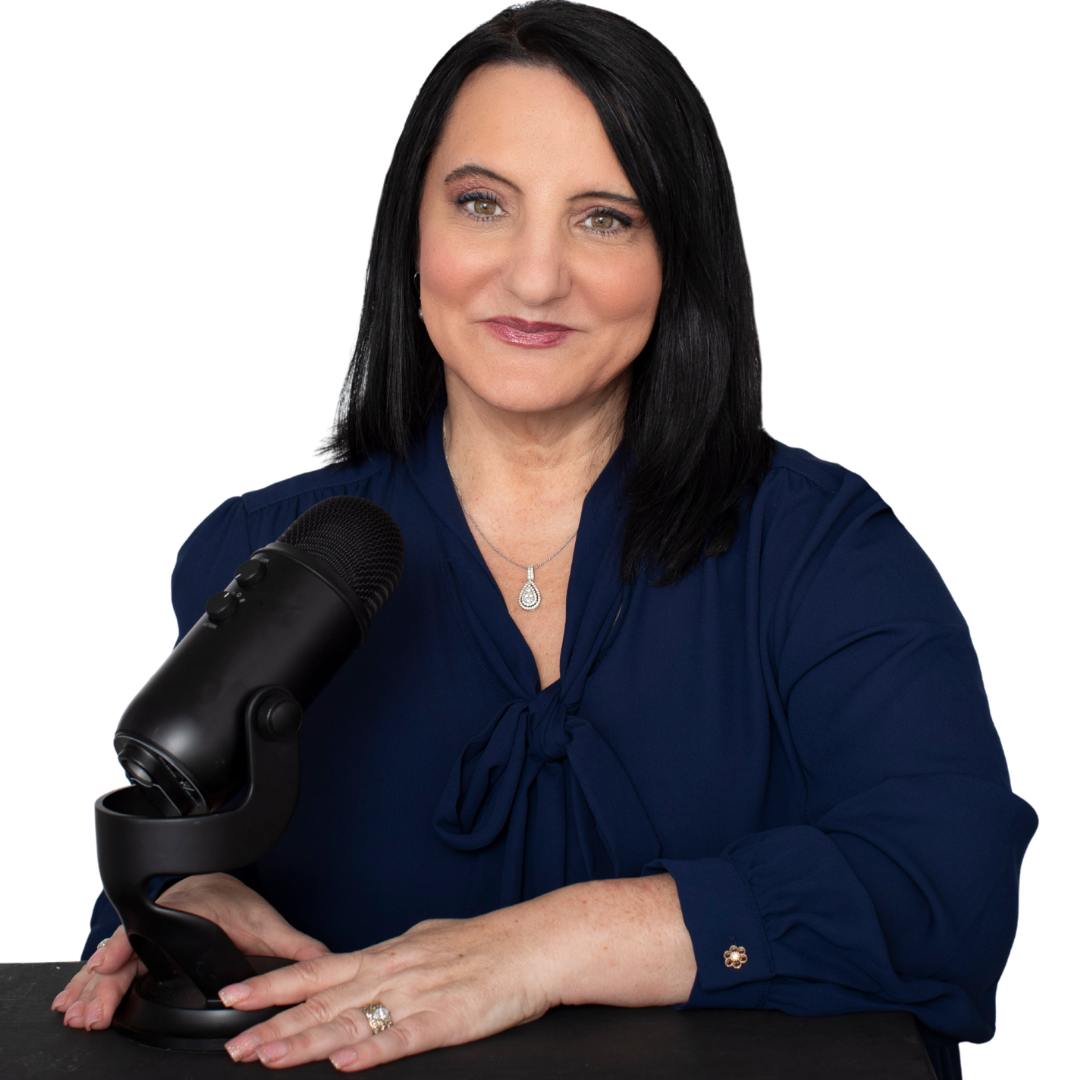
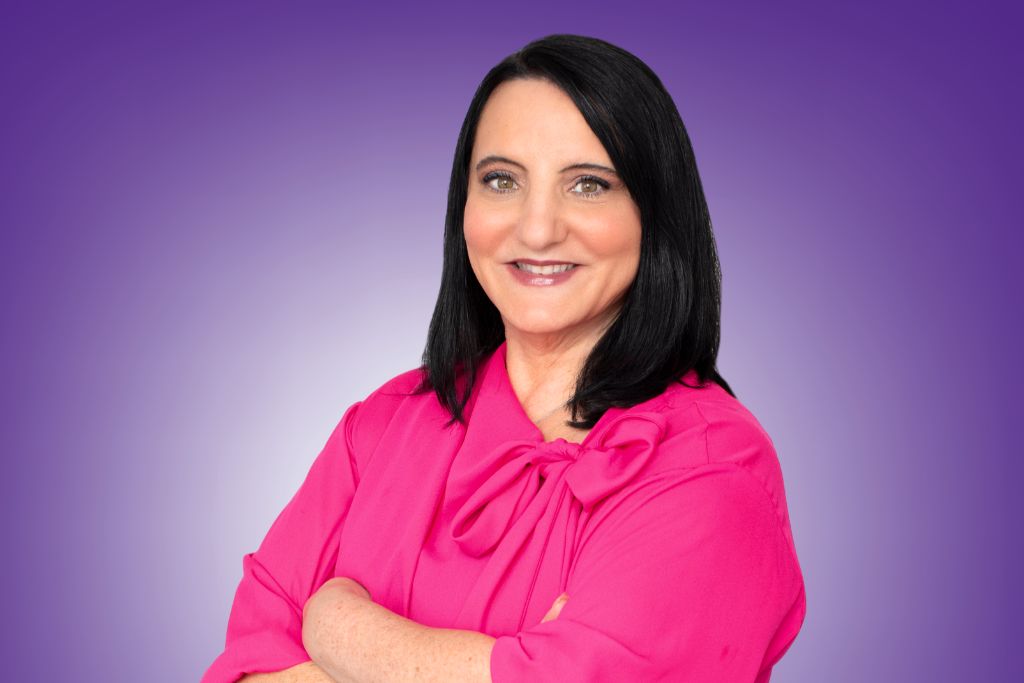
Dr. Roseann Capanna-Hodge is a licensed therapist, certified school psychologist, and leading expert in emotional dysregulation in children. With over 30 years of experience, she helps parents understand the root causes of meltdowns, anxiety, ADHD, and challenging behavior through the lens of nervous system regulation. Dr. Roseann teaches practical, science-backed strategies for co-regulation and how to calm a dysregulated child using her Regulation First Parenting™ approach. She is the host of the Dysregulated Kids Podcast and author of The Dysregulated Kid.
Dr. Roseann Capanna-Hodge
Emotional Dysregulation in Children & Nervous System Expert
Regulation First Parenting™ | CALMS Protocol™
Host of the Dysregulated Kids Podcast (Top 1% Globally)
Author of The Dysregulated Kid