Find Your Solution
In 3 minutes, you’ll know where to start ➤
%20.png)





Estimated reading time: 6 minutes
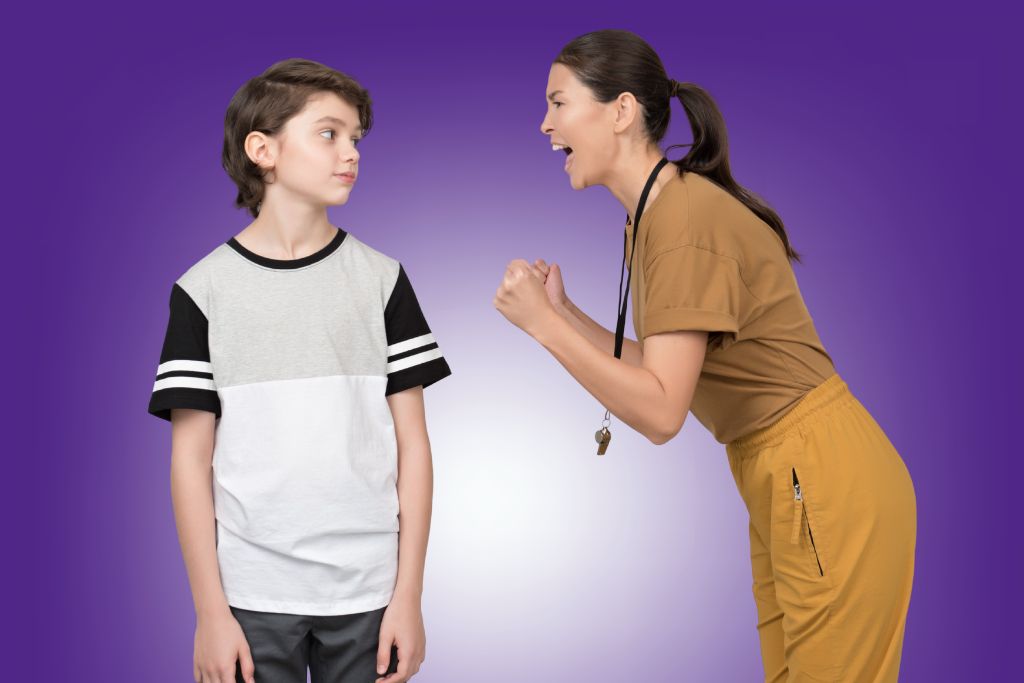
When you watch OCD take over your child’s day, intrusive thoughts, rituals, meltdowns, it can feel terrifying and lonely. You’re doing everything you can, but nothing seems to help. You’re not imagining it: OCD is overwhelming, and parents desperately want a drug-free path that actually works.
Calming the nervous system is key in how to deal with OCD without medication. In this episode, I share how softening intrusive thoughts, reducing compulsions, and using natural, science-backed strategies can help retrain your child’s dysregulated brain for lasting change.
When the nervous system is stuck in “red alert,” intrusive thoughts intensify and compulsions spike. Dysregulation fuels OCD, this is why symptoms can escalate so quickly.
What helps:
Parent Story
A parent shared that her child’s bedtime rituals spiraled anytime he was overtired. Once they built a predictable wind-down routine plus magnesium support, intrusive thoughts noticeably decreased.
OCD improves when the brain is given tools that shift it out of high-alert mode and retrain its wiring.
Effective, evidence-supported tools include:
Why they work: These interventions teach the brain how to regulate itself, which medication alone does not do.
Reassurance gives kids temporary relief… but it strengthens OCD’s grip. The more certainty OCD gets, the louder it becomes.
Try this instead:
Real-Life Scenario
A child repeatedly asked, “Are you sure I didn’t do something bad?” Instead of reassuring, the parent shifted to: “I know that thought feels big. Let’s practice sitting with it for a minute together.” Over time, the anxiety peak shortened.
If you’re tired of walking on eggshells or feeling like nothing works…
Get the FREE Regulation Rescue Kit and finally learn what to say and do in the heat of the moment. Become a Dysregulation Insider VIP at www.drroseann.com/newsletter and take the first step to a calmer home.
Yes, research shows inflammation can trigger or intensify OCD symptoms, especially in kids with PANS/PANDAS.
Ways to lower inflammation:
A healthier gut = a calmer brain = fewer obsessive spikes.
Consistency is everything. Parents often stop strategies too soon—right when the brain is starting to rewire.
Daily non-negotiables:
Even 1–2 small habits done daily for 30 days shift the brain in powerful ways.
🗣️ “Let’s calm the brain first, because a regulated nervous system is the foundation for real OCD healing.” — Dr. Roseann
Beyond therapy, several brain-based and natural supports can help children regulate their nervous system and reduce OCD symptoms. These strategies are especially effective when the child is already calm and can engage in coping practices.
Supports include:
Parent Scenario:
A child repeatedly asks for reassurance before bed. Instead of answering every question, the parent implements a short calming routine plus magnesium supplementation. Over two weeks, nighttime rituals became more manageable, and the child slept more peacefully.
Consistent routines are critical for reinforcing regulation and helping children feel safe. Small, daily habits create predictability and give the nervous system cues that support self-regulation.
Daily routine strategies:
Parent Example:
One parent sets up a predictable 20-minute wind-down routine before bedtime. With repetition, the child gradually tolerates ERP tasks better and intrusive thoughts decrease during the day.
OCD isn’t your child being dramatic or defiant. It’s a dysregulated brain asking for help. When you calm the nervous system and use science-backed strategies, kids can break free from intrusive thoughts, without relying on medication alone.
Focus on nervous system regulation, ERP therapy, magnesium support, and reducing reassurance.
Yes—glycinate and L-threonate forms calm an overactive brain and support sleep.
Absolutely. With ERP + nervous system regulation, many kids experience lasting improvement.
It provides temporary relief but reinforces the obsessive-compulsive cycle.
Processed foods, dyes, and high-sugar snacks can fuel inflammation and worsen symptoms.
Every child’s journey is different. That’s why cookie-cutter solutions don’t work.
Take the free Solution Matcher Quiz and get a customized path to support your child’s emotional and behavioral needs—no guessing, no fluff.
Start today at www.drroseann.com/help
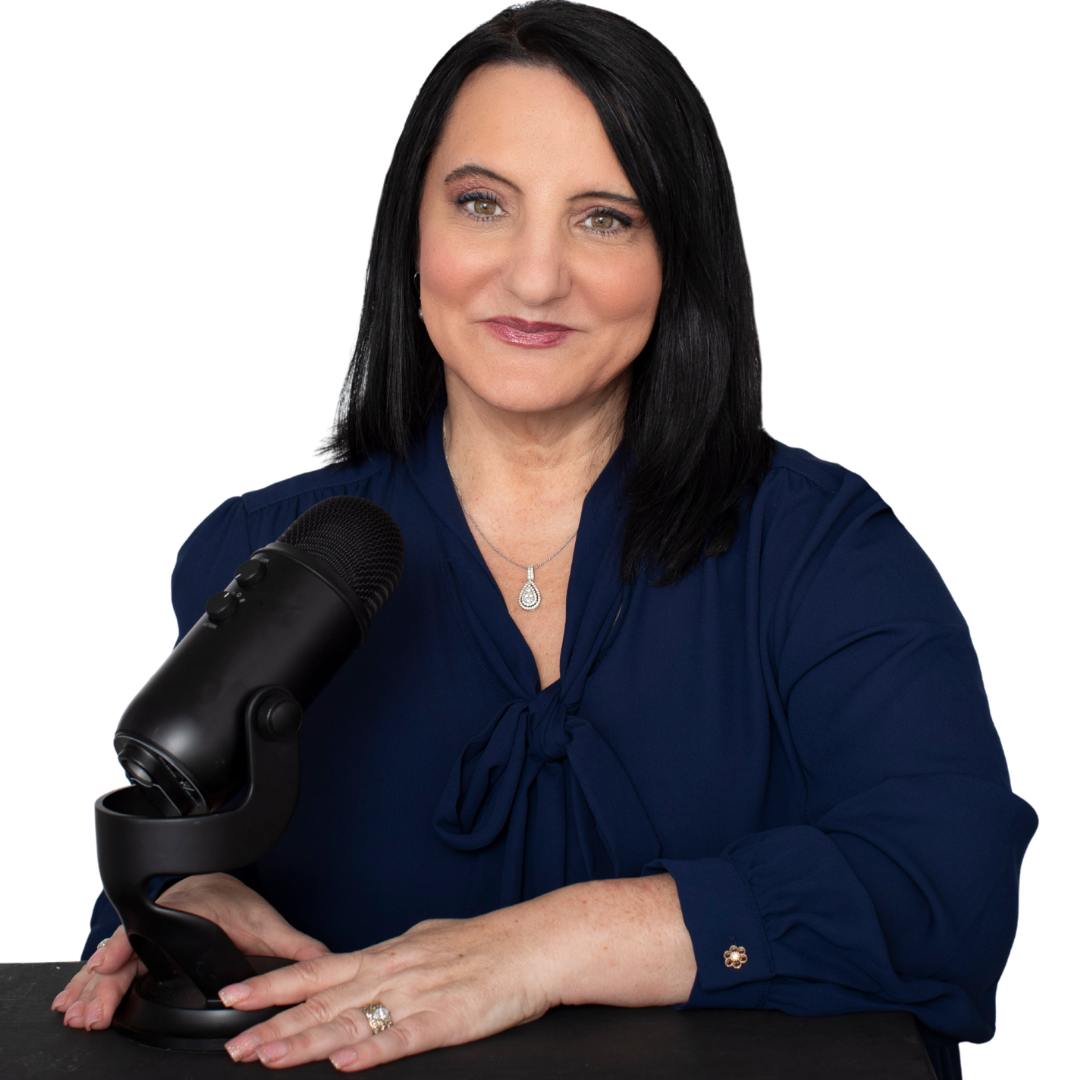
Dr. Roseann Capanna-Hodge is a licensed therapist, certified school psychologist, and leading expert in emotional dysregulation in children. With over 30 years of experience, she helps parents understand the root causes of meltdowns, anxiety, ADHD, and challenging behavior through the lens of nervous system regulation. Dr. Roseann teaches practical, science-backed strategies for co-regulation and how to calm a dysregulated child using her Regulation First Parenting™ approach. She is the host of the Dysregulated Kids Podcast and author of The Dysregulated Kid.
Dr. Roseann Capanna-Hodge
Emotional Dysregulation in Children & Nervous System Expert
Regulation First Parenting™ | CALMS Protocol™
Host of the Dysregulated Kids Podcast (Top 1% Globally)
Author of The Dysregulated Kid