Find Your Solution
In 3 minutes, you’ll know where to start ➤
%20.png)





Estimated reading time: 6 minutes
When your child spirals into fear-driven behaviors, learning how to start talking back to OCD can feel impossible. This is especially true for families navigating emotional dysregulation in children and intrusive thought patterns. You try everything, yet nothing seems to work—and that pain weighs heavy on your heart. You’re not alone.This episode features empowerment coach and our science-backed approach parent Kris Rice, who shares how neurofeedback, brain mapping, and persistence helped her daughter rewrite fear-based habits and reclaim calm.
Her story shows how a dysregulated child can learn new patterns with the right support.
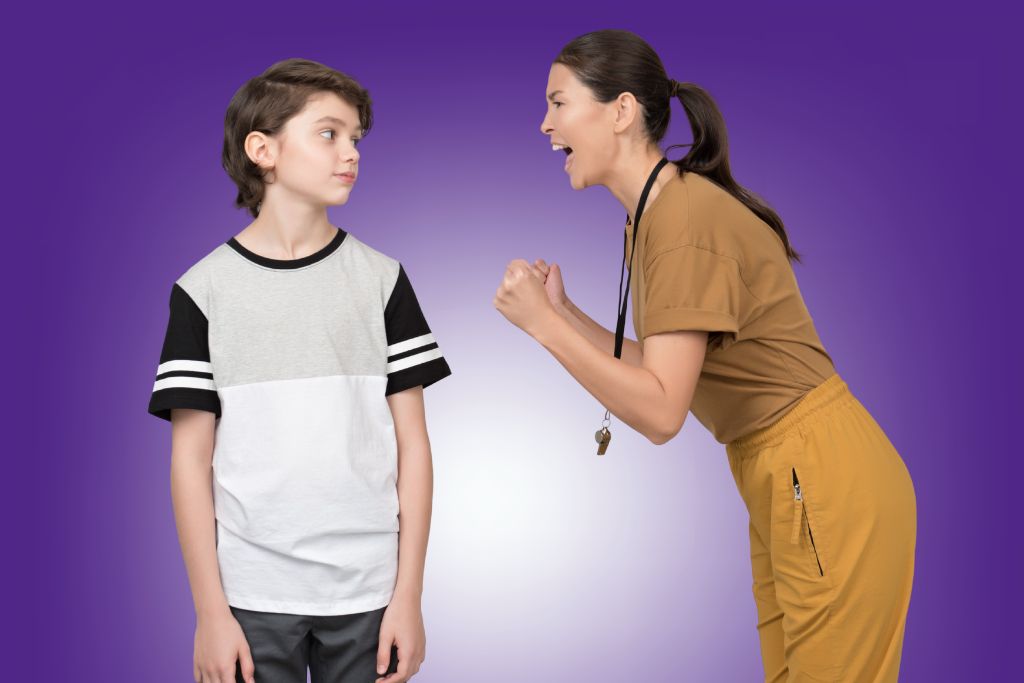
Repetitive OCD behaviors can be baffling, especially when your child knows the rituals aren’t rational. Kris explains her daughter’s “negative reinforcement cycle,” where fear drives behavior, and the temporary relief reinforces repetition.
Key insights:
The brain is trying to feel safe, even when the strategy does not work.
Real-life Example: Each time Kris’ daughter performed a compulsion, it strengthened the OCD loop—even when she desperately wanted it to stop.
Absolutely. But Kris is honest: neurofeedback takes commitment and consistency. Her family attended sessions two to three times a week because they were anchored in one goal—a calmer, happier life for their daughter. Neurofeedback helps kids learn to regulate their brainwaves so the nervous system isn’t stuck in fear-based patterns.
A calmer brain makes it easier to resist compulsions.
How neurofeedback supports OCD:
A brain map gives parents something they desperately need—clarity.Kris shares how her daughter’s QEEG brain map helped them understand what was actually happening beneath the behaviors. Instead of guessing or blaming themselves, they saw the dysregulated patterns that needed support.
Why brain mapping matters:
Behavior is communication—and the brain map helps decode that message. When you understand the brain, you respond differently.
When your child is dysregulated, it’s easy to feel helpless. The Regulation Rescue Kit gives you the scripts and strategies you need to stay grounded and in control.
Become a Dysregulation Insider VIP at www.drroseann.com/newsletter and get your free kit today.
Kris reminds parents that communication must begin with empathy. Many partners are scared, skeptical, or simply overwhelmed. Try approaching the conversation with openness and shared goals, not pressure.
Tips for navigating the conversation:
Real-Life Scenario: Kris explained why she felt drawn to natural brain-based approaches and listened to her spouse’s fears. That mutual trust allowed them to move forward together.
Kris delivers a message every parent needs to hear: hold hope. Healing happens with consistency, and small wins matter.
Takeaways:
🗣️ “It’s safe to hold hope. If it feels right to you, it feels right for a reason.” — Dr. Roseann
Kris’s story shows what’s possible when you support the brain—with compassion, science, and persistence. Your child can learn to talk back to OCD, and your family can find calm again. Explore more of Kris Rice’s work at Kris Rice Collective.
Fear, stress, and dysregulated brainwave patterns often drive compulsions—far more than genetics alone.
Most families see shifts within several weeks, but full rewiring takes consistent sessions over months.
Many parents see meaningful improvements with neurofeedback, brain-based tools, and ERP.
Tired of not knowing what’s really going on with your child?
The Solution Matcher gives you a personalized recommendation based on your child’s behavior, not just a label. It’s free, takes just a few minutes, and shows you the best next step.
Go to www.drroseann.com/help
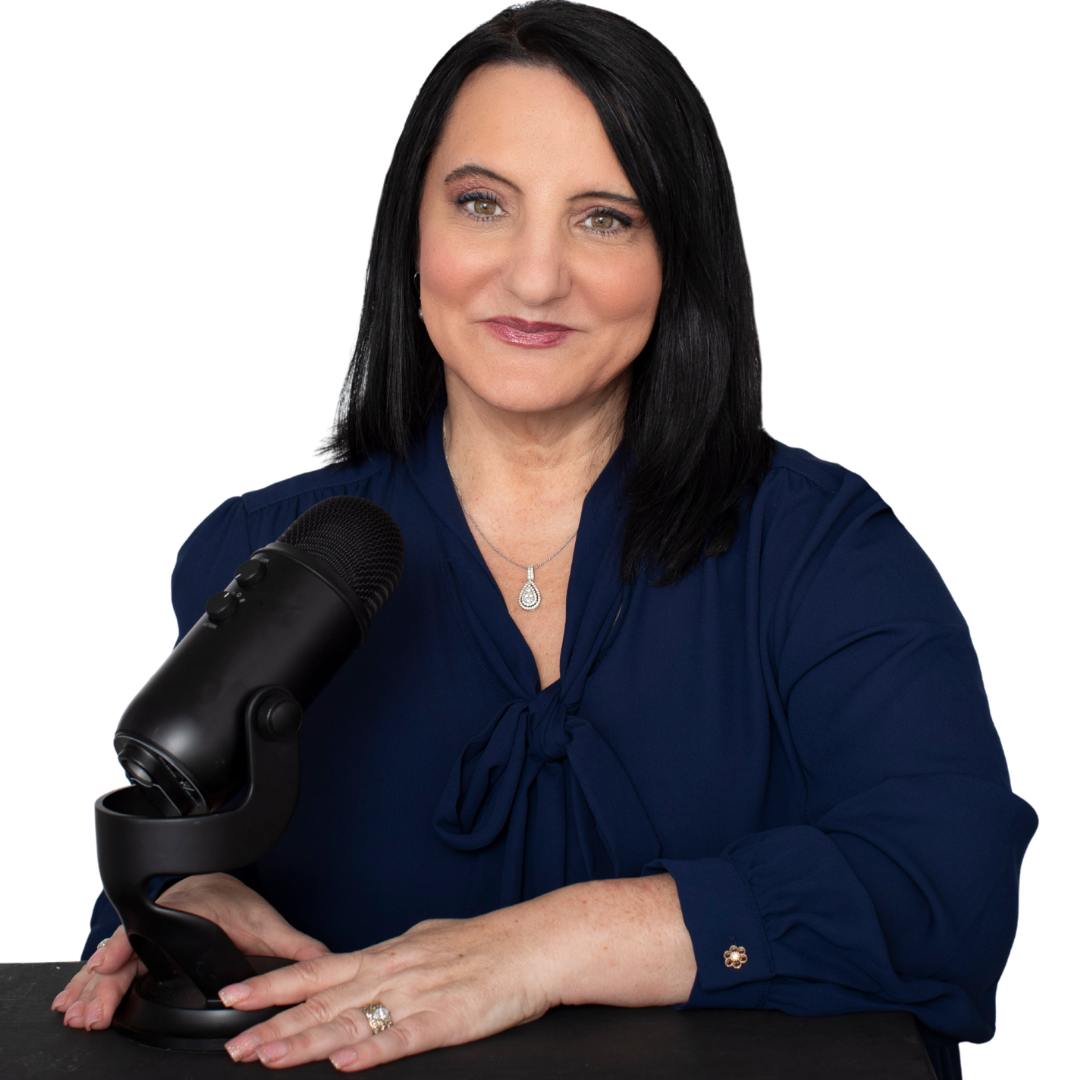
Dr. Roseann Capanna-Hodge is a licensed therapist, certified school psychologist, and leading expert in emotional dysregulation in children. With over 30 years of experience, she helps parents understand the root causes of meltdowns, anxiety, ADHD, and challenging behavior through the lens of nervous system regulation. Dr. Roseann teaches practical, science-backed strategies for co-regulation and how to calm a dysregulated child using her Regulation First Parenting™ approach. She is the host of the Dysregulated Kids Podcast and author of The Dysregulated Kid.
Dr. Roseann Capanna-Hodge
Emotional Dysregulation in Children & Nervous System Expert
Regulation First Parenting™ | CALMS Protocol™
Host of the Dysregulated Kids Podcast (Top 1% Globally)
Author of The Dysregulated Kid