Find Your Solution
In 3 minutes, you’ll know where to start ➤
%20.png)





Estimated Reading Time: 6 minutes
When your child melts down over homework or loses it the moment a routine changes, it isn’t laziness. It’s a stressed brain doing the best it can. That is why understanding executive functioning matters so much. In today’s episode, we explore how neurofeedback for executive functioning strengthens attention, impulse control, and cognitive flexibility so kids can finally feel capable instead of overwhelmed.
You’ll learn why reinforcement matters, what a dysregulated brain looks like on a QEEG, and how neurofeedback supports healthier communication pathways that help kids stay focused and handle stress and improve emotional dysregulation in children through better nervous system regulation.
When the brain is regulated, everything works better.
A bright child can still have an underperforming frontal lobe. Executive functioning relies on consistent reinforcement, not intelligence, which is why neurofeedback for executive functioning can be so effective. During dysregulation, kids get stuck using mental “back roads” instead of efficient brain pathways.Parents often say things like, “He knows what to do, but he doesn’t do it.” That gap happens because the brain isn’t communicating efficiently.
This is a brain efficiency issue, not a motivation problem.
Key takeaways:
Example: A parent in our community shared that her son could explain his assignments perfectly yet never start them. After neurofeedback sessions, planning and follow-through became noticeably easier because his brain was no longer under-stimulated.
Kids with ADHD, anxiety, OCD, and PANS/PANDAS often have trouble holding back reactions. Neurofeedback helps calm the brain’s over and under-stimulated regions so they can pause before acting.
That pause is what builds real self control.
What changes with Neurofeedback:
Neurofeedback is like balancing the wheels of a car. When the brain is dysregulated, the “wheels” wobble. The QEEG brain map identifies those problem areas so we can train them to work smoothly, which guides how we use neurofeedback for executive functioning.
During sessions, sensors measure brain activity and deliver real-time reinforcement that strengthens the pathways responsible for attention, organization, and emotional control.
In simple terms:
This is how we build stronger brain pathways over time.
Progress takes time, just like strengthening a muscle. Most care plans recommend around 40 sessions, two to three times a week.
Parents begin to see
The core message: You can absolutely change your child’s executive functioning.
If you’re tired of walking on eggshells or feeling like nothing works…
Get the FREE Regulation Rescue Kit and finally learn what to say and do in the heat of the moment. Become a Dysregulation Insider VIP at www.drroseann.com/newsletter and take the first step to a calmer home.
What Dr. Roseann Says🗣️ “The brain needs reinforcement. When we strengthen communication pathways, kids can finally focus, think clearly, and manage stress.” — Dr. Roseann
Executive functioning isn’t a character flaw. It’s a brain skill. Neurofeedback helps kids stay focused, organized, and emotionally steady so daily life gets easier for the whole family. It’s gonna be OK, and there are real solutions that help kids thrive.
Children as young as three and a half can begin neurofeedback when clinically appropriate.
Yes, because it improves the brain’s alertness, organization, and ability to see results.
It is backed by decades of research and shown to help regulate overstressed brain pathways.
Look for difficulty starting tasks, staying organized, or managing emotions.
Some families reduce or avoid medication, but care plans are individualized.
Next Step: Feel like you’ve tried everything and still don’t have answers? The Solution Matcher helps you find the best starting point based on your child’s symptoms, behaviors, and history. It’s fast, free, and based on decades of clinical expertise.
Get your personalized plan now at www.drroseann.com/help
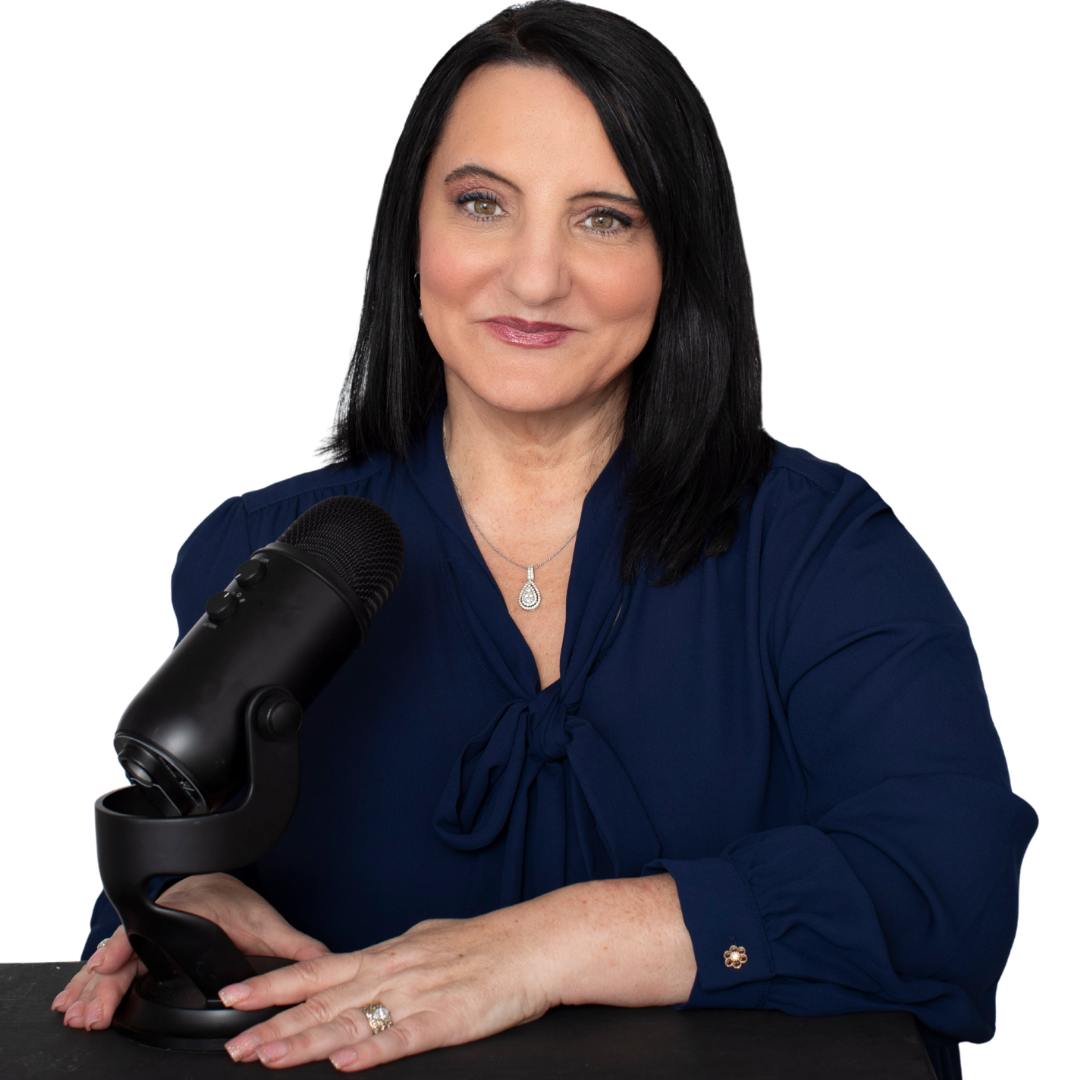
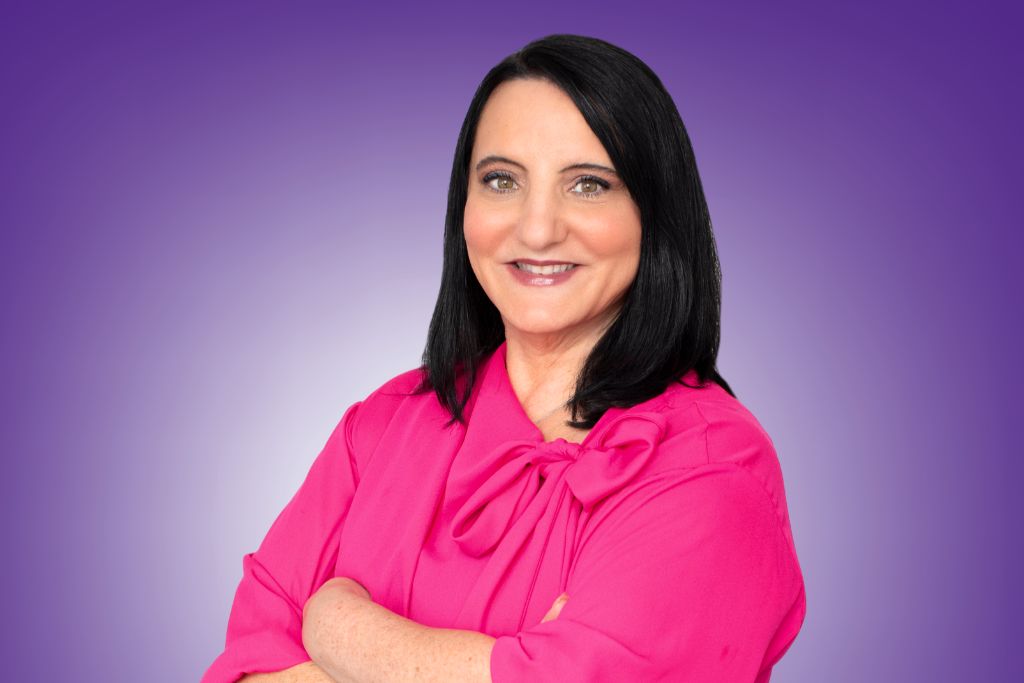
Dr. Roseann Capanna-Hodge is a licensed therapist, certified school psychologist, and leading expert in emotional dysregulation in children. With over 30 years of experience, she helps parents understand the root causes of meltdowns, anxiety, ADHD, and challenging behavior through the lens of nervous system regulation. Dr. Roseann teaches practical, science-backed strategies for co-regulation and how to calm a dysregulated child using her Regulation First Parenting™ approach. She is the host of the Dysregulated Kids Podcast and author of The Dysregulated Kid.
Dr. Roseann Capanna-Hodge
Emotional Dysregulation in Children & Nervous System Expert
Regulation First Parenting™ | CALMS Protocol™
Host of the Dysregulated Kids Podcast (Top 1% Globally)
Author of The Dysregulated Kid