Help for Emotional Dysregulation in Kids | Dr. Roseann Capanna-Hodge

Find Your Solution

In 3 minutes, you’ll know where to start ➤

Join the Dysregulation Insider get free calm parenting tips straight to your inbox!

From Struggling to Thriving: The Power of Neurofeedback Therapy for Kids | Dr. Roseann

In today’s episode, we’ll be joined by Alex who is the reason why I started doing neurofeedback. We’ll dive deep into the effects of neurofeedback as Alex shares his life changing journey with us as his life took an unexpected turn toward empowerment and healing through the power of neurofeedback.

When your child is anxious, unfocused, or constantly melting down, it’s heartbreaking to feel like nothing helps. You’ve tried rewards, routines, maybe even medication—and still, your child struggles. It’s not bad parenting—it’s a dysregulated brain. 

In this inspiring episode, I’ll share Alex’s journey from daily challenges to calm and focus. And confidence through neurofeedback therapy for kids. It’s a gentle, science-backed way to retrain the brain for lasting change.

You’ll learn what neurofeedback is and how it works. And why progress doesn’t happen overnight—but does happen when you keep going.

What is neurofeedback therapy for kids—and how does it actually work?

Neurofeedback is a form of brain training. It helps kids learn how to regulate their own nervous system. 

During sessions, sensors read brainwave activity, and a child receives visual or auditory feedback. This teaches their brain to shift into calmer, more focused patterns. Over time, those changes become second nature.

  • Big idea: Train the brain—don’t just manage behavior.
  • Neurofeedback strengthens healthy brainwave patterns linked to focus, calm, and flexibility.
  • It’s safe, noninvasive, and teaches the brain to self-regulate without medication.

In Alex’s case, once his brain started learning these new rhythms, his attention, confidence, and overall mood improved dramatically.

Why does my child’s brain feel “stuck” in stress or hyperfocus?

Many struggling kids have what’s called hypercoherence—their brains are “over-communicating.” 

It means signals are firing too much or too often, making it hard to focus, transition, or wind down. For Alex, that overactivity showed up as frustration, distractibility, and big emotions.

  • Big idea: Behavior is communication from the brain.
  • Sometimes dysregulation isn’t genetic—it can be triggered by stress, toxins, or chronic overload.
  • Visual idea: “Brain in overdrive” diagram showing overconnected neural pathways.

By calming and retraining these patterns, neurofeedback helps the brain stop overfiring and start flowing.

What if we’ve tried everything and nothing seems to work?

You’re not alone. Alex’s mom felt the same way after medications caused severe side effects and other therapies didn’t help. 

But when she turned to neurofeedback, everything changed. It wasn’t instant—but it was lasting.

  • Big idea: You can’t force progress—you can train it.
  • Neurofeedback amplifies your child’s natural strengths, helping regulation come from within.
  • Athletes and high performers use neurofeedback, too—it sharpens focus and resilience.

It’s a gentle, science-backed solution for kids who’ve been labeled “difficult,” “lazy,” or “too sensitive.”

How long does it take to see real change?

Parents often expect 100% transformation overnight—but even 25% progress is a big win. The most common mistake is giving up too early. 

Real regulation takes time. And every week, your child’s brain is learning new skills.

  • Big idea: Progress over perfection.
  • Stay consistent—healing happens one regulated moment at a time.
  • Small wins like easier mornings or fewer meltdowns mean the brain is shifting.

Remember: It’s gonna be OK. This is a journey toward lifelong resilience, not a race.

 Yelling less and staying calm isn’t about being perfect—it’s about having the right tools.
Join the Dysregulation Insider VIP list and get your FREE Regulation Rescue Kit, designed to help you handle oppositional behaviors without losing it.

Download it now at www.drroseann.com/newsletter

🗣️ “There is no magic transition from struggling kid to zero symptoms. Keep moving forward—change doesn’t happen overnight.”
— Dr. Roseann

Why should parents consider neurofeedback therapy for kids?

Unlike medication, neurofeedback retrains the brain for lasting change. Once those neural pathways are built, they stay strong—unless disrupted by major stress or trauma.

Every day you delay getting help is another day your child suffers unnecessarily. You don’t have to wait for rock bottom to start healing.

Calm the Brain, Change the Life: Your Big Takeaway

Neurofeedback therapy for kids helps the brain do what it’s meant to do—self-regulate.
Alex’s story is living proof that even when things feel hopeless, change is always possible. When we calm the brain first, everything else—behavior, focus, and mood—begins to fall into place.

With time, patience, and the right support, your child’s brain can shift from chaos to calm… and your whole family can finally exhale.

FAQs About Neurofeedback Therapy for Kids

Does neurofeedback therapy help ADHD and anxiety?

Yes. It helps the brain stay calm, focused, and balanced—no meds needed.

How long do neurofeedback results last?

Results are typically long-term because the brain learns new regulation patterns. Maintaining healthy routines helps sustain progress.

Is neurofeedback safe for kids?

Absolutely. It’s noninvasive, drug-free, and backed by decades of research in children and adults.

Can I combine neurofeedback with therapy or medication?

Yes. Many families use it alongside other therapies for a whole-brain approach.

When your child is struggling, time matters.
Don’t wait and wonder—use the Solution Matcher to get clear next steps, based on what’s actually going on with your child’s brain and behavior.
Take the quiz at www.drroseann.com/help

If you found yourself nodding along while listening, take a moment to follow and leave a quick review on Apple Podcasts.
Your feedback helps more overwhelmed parents find calm, clarity, and the proven tools that make everyday life easier.

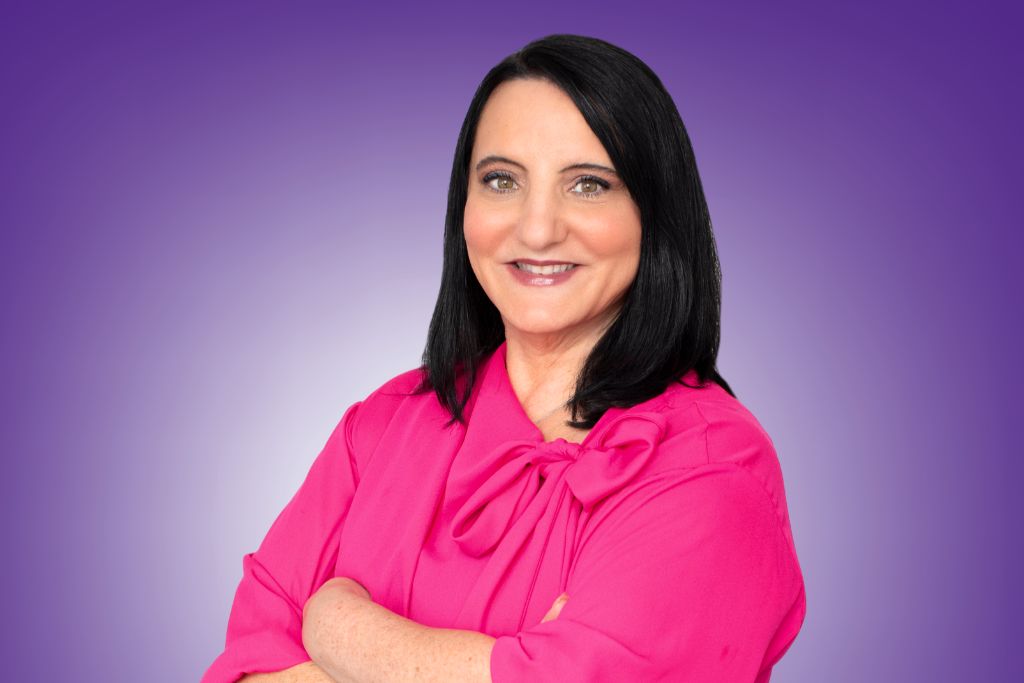
Dr. Roseann Capanna-Hodge: Helping Families of Dysregulated Kids Thrive Through Regulation First Parenting™

 
Dr. Roseann believes every family deserves to move from chaos to connection—and that transformation begins with addressing emotional dysregulation in children at its true source: the nervous system.

As the creator of Regulation First Parenting™, she’s helping families of dysregulated kids discover a compassionate, brain-based path forward. Through The Dysregulated Kids™ Podcast (top 2% globally), she offers practical strategies that help parents understand their child’s brain and support lasting change.

Through The Global Institute of Children’s Mental Health and Dr. Roseann, LLC, she’s created resources like the BrainBehaviorReset® program, Neurotastic™ Brain Formulas, and the Regulation First Parenting™ framework—meeting families where they are and supporting them through challenges like ADHD, anxiety, OCD, PANS/PANDAS, and behavioral struggles.

Recognized by Forbes as “a thought leader in children’s mental health,” Dr. Roseann is changing how we understand emotional dysregulation in children—one family at a time.

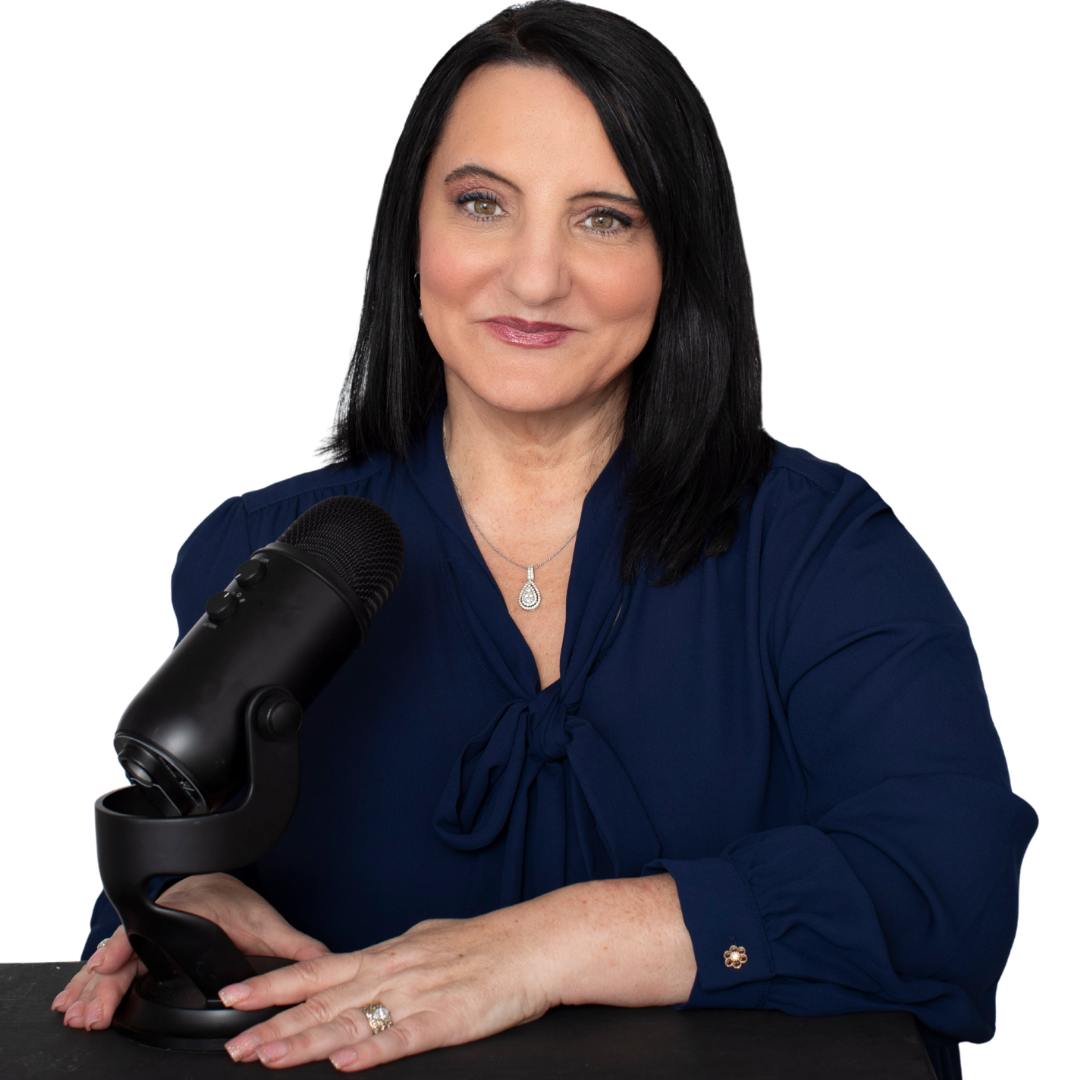
Dr Roseann with mic
Scroll to Top
Having Computer issues?
What’s the #1 burning question

about your child’s behavior that keeps you up at night?

By sending us your question, you give us permission to use
your audio clip anonymously in our podcast.

CHAT WITH US!