Find Your Solution
In 3 minutes, you’ll know where to start ➤
%20.png)





Estimated Reading Time: 6 minutes
If your young adult is stuck, living at home, overwhelmed, and unsure how to take the next step - you’re not alone. I want you to hear this clearly: failure to launch isn’t laziness. Almost always, it’s rooted in an unaddressed mental health issue, executive function challenge, or nervous system dysregulation.
In this episode, I break down why kids get frozen, how dysregulation drives avoidance, and brain-based strategies that actually help them move forward. Let’s calm the brain first, because regulation is the first step toward motivation, independence, and confidence.
The first step is looking beyond surface behavior. Your child hiding in their room or avoiding responsibilities is a symptom, not the cause.
Most failure-to-launch situations involve:
Parent tips:
Real-life example: I once worked with a college student who had attempted classes four times without success. Once we regulated his brain and addressed underlying anxiety, everything shifted, motivation and follow-through finally improved.
When the nervous system is stuck in fight, flight, or freeze, the brain literally cannot access the regions responsible for planning, initiating, or completing tasks.
Understanding this changes how we approach your child’s challenges, from blame to problem-solving.
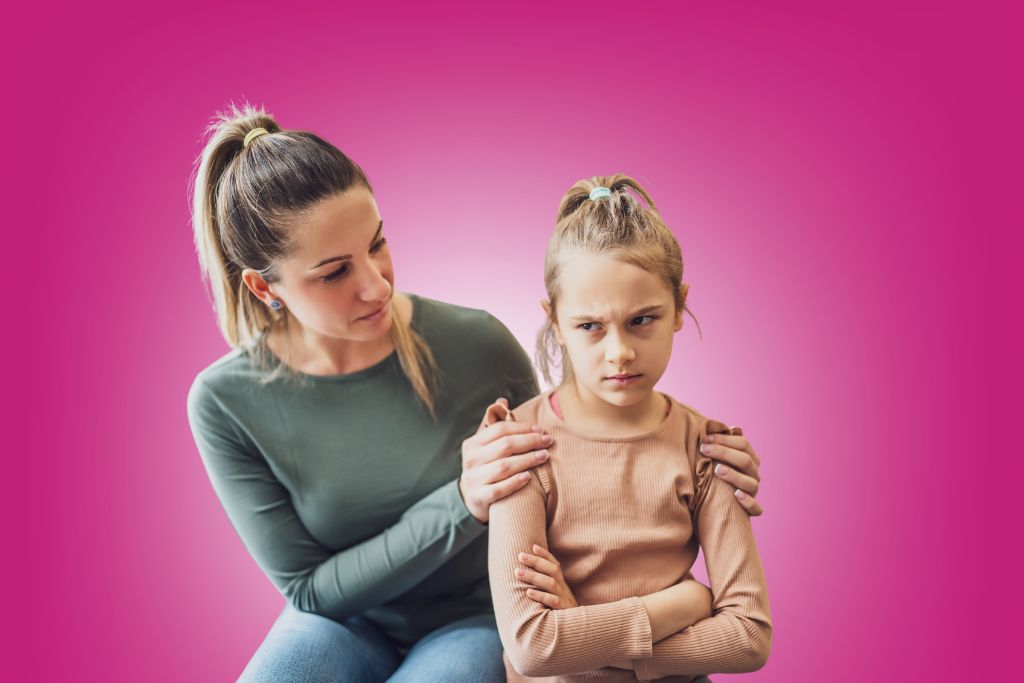
This is a question I hear constantly. Let me reassure you: you’re not failing. You’re doing what parents do, protecting your child. But rescuing them from discomfort or completing tasks for them can unintentionally reinforce avoidance.
How to support without enabling:
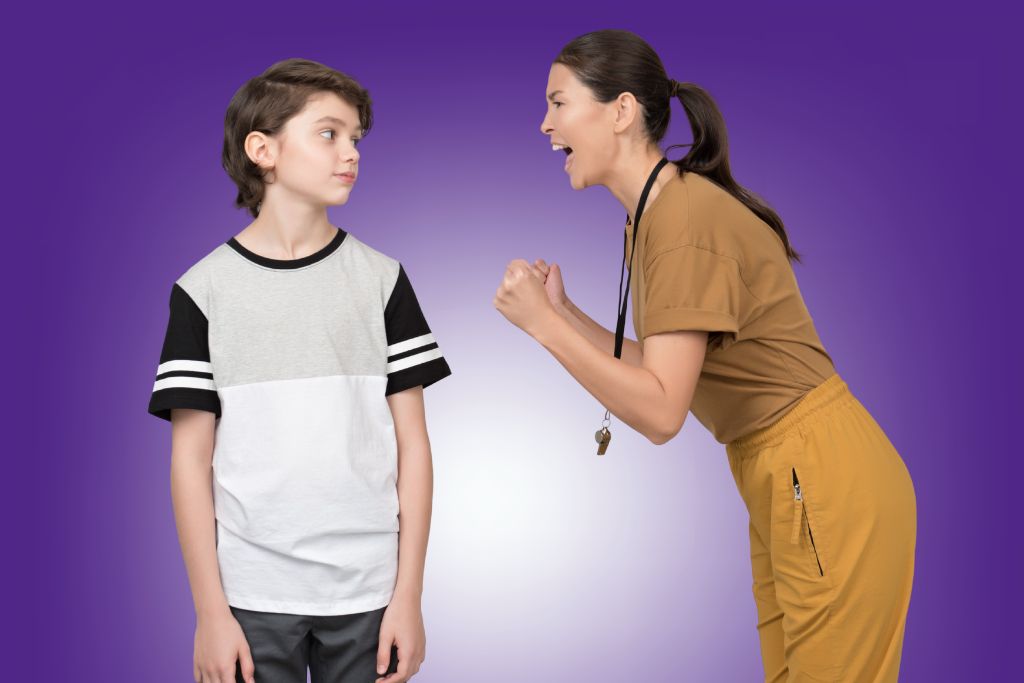
🗣️ “You can share your anger or you can share your calm, it’s up to you. But only calm moves a stuck brain forward.” — Dr. Roseann
Brain-based, compassionate support makes the difference. Start with these four pillars:
Regulation first
Communication
Skill-building
Connection
And yes—seek professionals experienced with developmental and mental health-based failure-to-launch cases. Families shouldn’t navigate this alone.
When your child is dysregulated, it’s easy to feel helpless. The Regulation Rescue Kit gives you scripts and strategies to stay grounded. Become a Dysregulation Insider VIP at www.drroseann.com/newsletter and get your free kit today.
Failure to launch isn’t a moral failing—it’s a nervous system issue. Start with regulation, scaffold small wins, and guide independence step by step. When you do, kids finally access their skills, motivation, and confidence.
Your child isn’t giving you a hard time - their nervous system is having a hard time. Order The Dysregulated Kid and discover science-backed ways to reduce meltdowns, build regulation and bring more calm to your home.
👉 https://dysregulatedkid.com/
For deeper insight into complex profiles affecting launching, listen to my episode on Gifted and ADHD with Karen or explore The Dysregulated Kid for practical, step-by-step strategies. You’re not alone, and it’s gonna be okay.
Look for patterns of avoidance, panic, or withdrawal in specific situations. Anxiety-driven inaction often occurs around school, work, or social challenges.
Start with calm co-regulation, break tasks into small steps, and offer choices. Avoid doing the task for them—this helps build competence and confidence.
Evaluate underlying mental health, executive function, and nervous system regulation. Seek structured support and guidance from professionals experienced in failure-to-launch syndrome.
Therapy helps, but only when paired with nervous system regulation, structure, and parent-guided independence-building.
Results vary, but consistent application of regulation, skill-building, and gradual responsibility typically shows positive change in weeks to months.
Every child’s journey is different.
That’s why cookie-cutter solutions don’t work. Take the free Solution Matcher quiz and get a customized path to support your child’s emotional and behavioral needs—no guessing, no fluff. Start today at www.drroseann.com/help
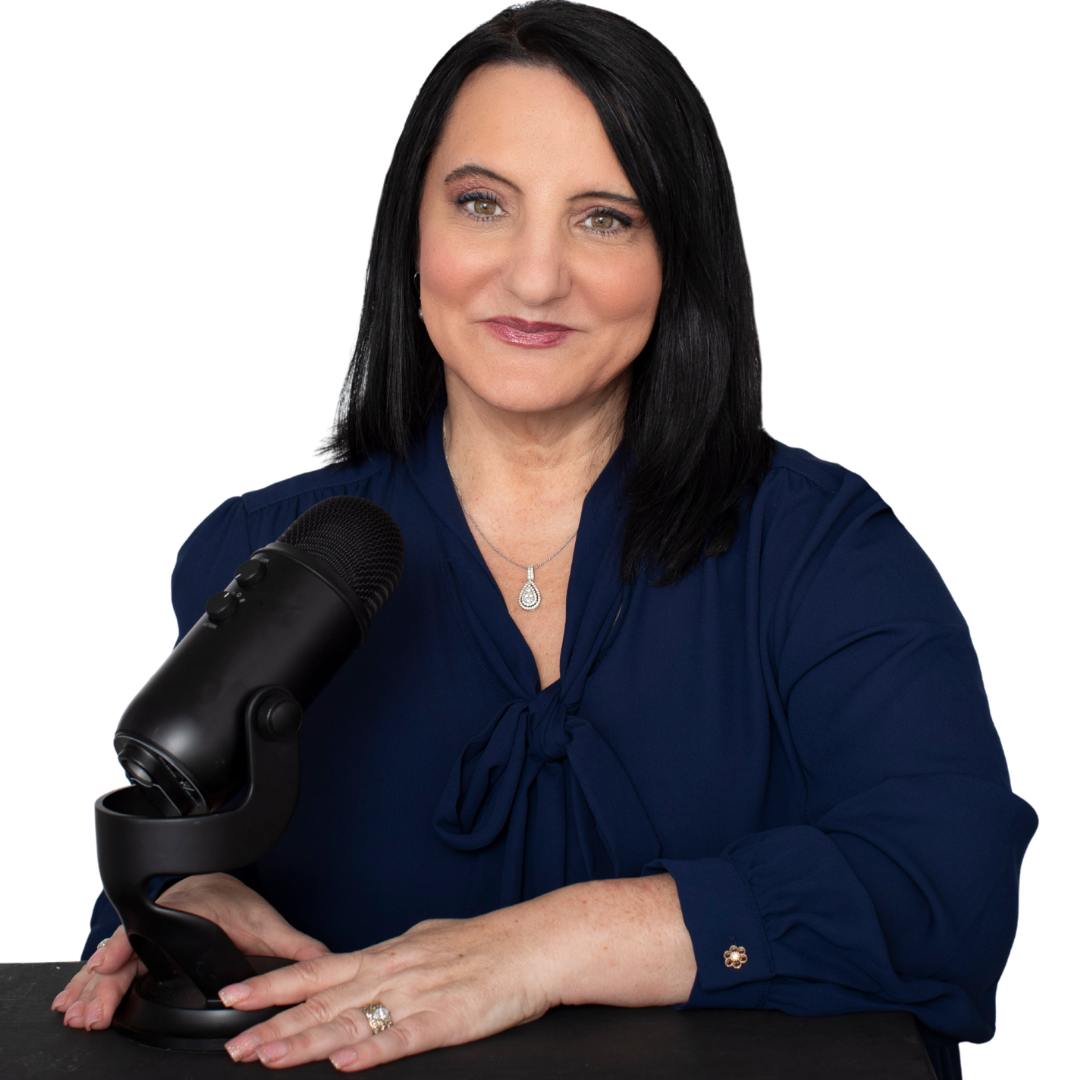
Dr. Roseann Capanna-Hodge is a licensed therapist, certified school psychologist, and leading expert in emotional dysregulation in children. With over 30 years of experience, she helps parents understand the root causes of meltdowns, anxiety, ADHD, and challenging behavior through the lens of nervous system regulation. Dr. Roseann teaches practical, science-backed strategies for co-regulation and how to calm a dysregulated child using her Regulation First Parenting™ approach. She is the host of the Dysregulated Kids Podcast and author of The Dysregulated Kid.
Dr. Roseann Capanna-Hodge
Emotional Dysregulation in Children & Nervous System Expert
Regulation First Parenting™ | CALMS Protocol™
Host of the Dysregulated Kids Podcast (Top 1% Globally)
Author of The Dysregulated Kid