Find Your Solution
In 3 minutes, you’ll know where to start ➤
%20.png)





Estimated Reading Time: 8 Minutes
Children's mental health has never been more important.
Across the country, parents, educators, and healthcare professionals are witnessing a troubling trend:
More children are struggling than ever before.
Anxiety.
Stress.
Emotional dysregulation.
Behavior challenges.
Attention difficulties.
Depression.
The children's mental health crisis is no longer something happening to a small group of families.
It's affecting communities everywhere.
The good news is that while the challenges are real, there is hope.
When we understand what's driving the crisis, we can begin helping children build the skills they need to thrive.
In this episode, we explore why so many children are struggling, what parents need to know, and why supporting mental health must become a priority.
Because no matter what you're facing, it's gonna be OK.
The number of children struggling with mental health concerns has been increasing for years.
Many families are dealing with:
The reality is that today's children are growing up in a world that places enormous demands on them.
They face:
At the same time, many children have not developed the coping skills needed to manage these stressors effectively.
As I often say, the problem isn't that children experience stress.
The problem is that many children don't know what to do with it.
One of the biggest concerns I see is that children have very low stress tolerance.
Many kids struggle with:
Modern childhood often provides fewer opportunities to develop resilience and coping skills.
Children spend more time:
and less time:
This creates a gap between the challenges children face and the skills they possess to handle those challenges.
One question parents frequently ask is:
"My child is doing great at school. Why are they falling apart at home?"
The answer is surprisingly simple.
School often requires children to hold everything together.
Throughout the day, children are:
Many children spend their entire school day holding themselves together.
Then they come home.
Home is where they feel safest.
And that safety often allows all of the accumulated stress to come pouring out.
Real-Life Example
A child who appears calm, focused, and compliant at school may become irritable, emotional, or explosive at home because their nervous system is finally releasing the stress it has been holding all day.
This doesn't mean something is wrong.
It means their nervous system is overwhelmed.
Academic success matters.
But it cannot come at the expense of mental health.
Too often, families focus exclusively on:
while overlooking:
Children need more than academic success.
They need the ability to:
As I often remind parents, we cannot create thriving adults if children don't feel good about who they are.
Mental health is the foundation.
Parents often sense that something isn't right before anyone else does.
Pay attention to:
Children don't always tell us directly when they're struggling.
Often, their behavior tells the story.
As I often say, behavior is communication.
The earlier we recognize the signs, the earlier we can help.
One of the most important things parents need to understand is that healing isn't instant.
Some interventions help quickly.
Others take time.
Meaningful change requires:
There is no magic wand.
Every child is different.
Some children respond quickly to support.
Others need more time.
The goal is not perfection.
The goal is progress.
Small changes matter.
And those small changes often grow into larger breakthroughs over time.
One of the most powerful gifts parents can give children is resilience.
Resilience develops when children learn how to:
This doesn't happen by eliminating every struggle.
It happens by helping children navigate struggles successfully.
Children need opportunities to practice coping skills.
As I often say, grit and resilience are built through experience.
Not avoidance.
The Regulation Rescue Kit provides practical Regulation First Parenting™ tools that help reduce stress, improve emotional regulation, and create more peace at home. Become a Dysregulation Insider VIP and get your FREE kit: www.drroseann.com/newsletter
🗣️ “Children don't need a perfect life. They need the skills to handle life's imperfect moments.” — Dr. Roseann
The children's mental health crisis is real.
But so is the opportunity to create change.
When parents understand stress, nervous system regulation, emotional development, and resilience, they become powerful agents of change in their children's lives.
Pay attention.
Stay connected.
Teach coping skills.
Build resilience.
And remember that your child does not have to navigate these challenges alone.
Neither do you.
The children's mental health crisis refers to the growing number of children experiencing anxiety, stress, depression, emotional dysregulation, and other mental health challenges.
Contributing factors include increased stress, technology use, academic pressure, social challenges, reduced coping skills, and nervous system dysregulation.
Many children suppress stress throughout the school day and release those emotions once they return to the safety of home.
Encourage coping skills, problem-solving, emotional regulation, stress management, and opportunities to work through manageable challenges.
Mood changes, behavioral changes, sleep difficulties, anxiety, emotional outbursts, withdrawal, and difficulty coping can all signal that a child may be struggling.
Not sure where to start? Use the Solution Matcher to get personalized recommendations based on your child's emotional and behavioral needs. Start here: www.drroseann.com/help
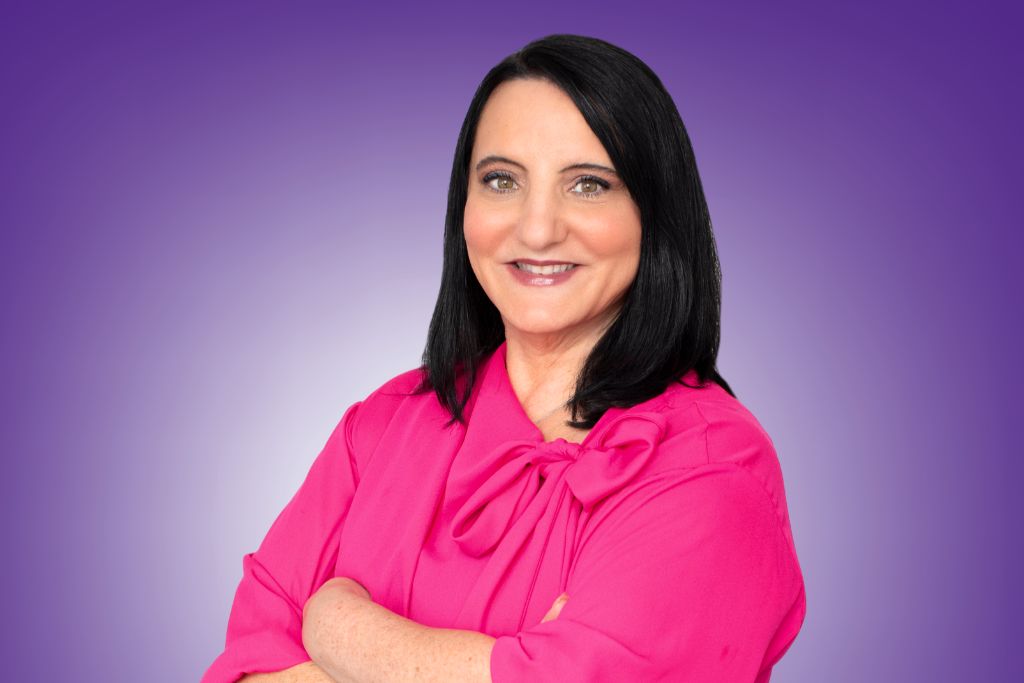
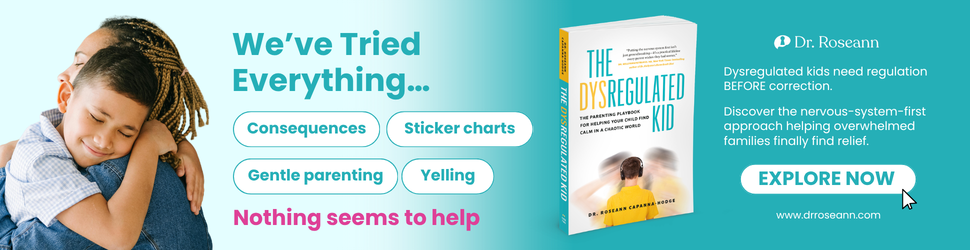
Dr. Roseann Capanna-Hodge is a licensed therapist, certified school psychologist, and leading expert in emotional dysregulation in children. With over 30 years of experience, she helps parents understand the root causes of meltdowns, anxiety, ADHD, autism, learning differences, and challenging behavior through the lens of nervous system regulation. She is the creator of Regulation First Parenting™, host of the Dysregulated Kids Podcast, and author of The Dysregulated Kid.
Dr. Roseann Capanna-Hodge
Emotional Dysregulation in Children & Nervous System Expert
Regulation First Parenting™ | CALMS Protocol™
Host of the Dysregulated Kids Podcast (Top 1% Globally)
Author of The Dysregulated Kid