Find Your Solution
In 3 minutes, you’ll know where to start ➤
%20.png)





Estimated Reading Time: 6 Minutes
One of the biggest mistakes I see parents make is assuming that good grades automatically mean everything is fine.
A child is earning A's.
They're enrolled in advanced classes.
Teachers praise them.
They're checking all the boxes of success.
From the outside, everything looks great.
But grades and mental health are not the same thing.
In fact, some of the students who appear the most successful academically are carrying the heaviest emotional burdens.
They are exhausted.
Overwhelmed.
Anxious.
Perfectionistic.
And sometimes struggling silently in ways no one sees.
As parents, we naturally want our children to succeed. We encourage hard work because we believe it creates opportunities and opens doors.
But when academic performance becomes the primary measure of well-being, we can miss important warning signs.
A report card tells us how a child is performing.
It does not tell us how a child is coping.
That's why conversations about grades and mental health are so important.
Most parents have good intentions.
We want our children to thrive.
We want them to feel confident and prepared for the future.
Because grades are easy to measure, they often become a shortcut for evaluating how a child is doing overall.
Parents may unconsciously believe:
Unfortunately, that's often not true.
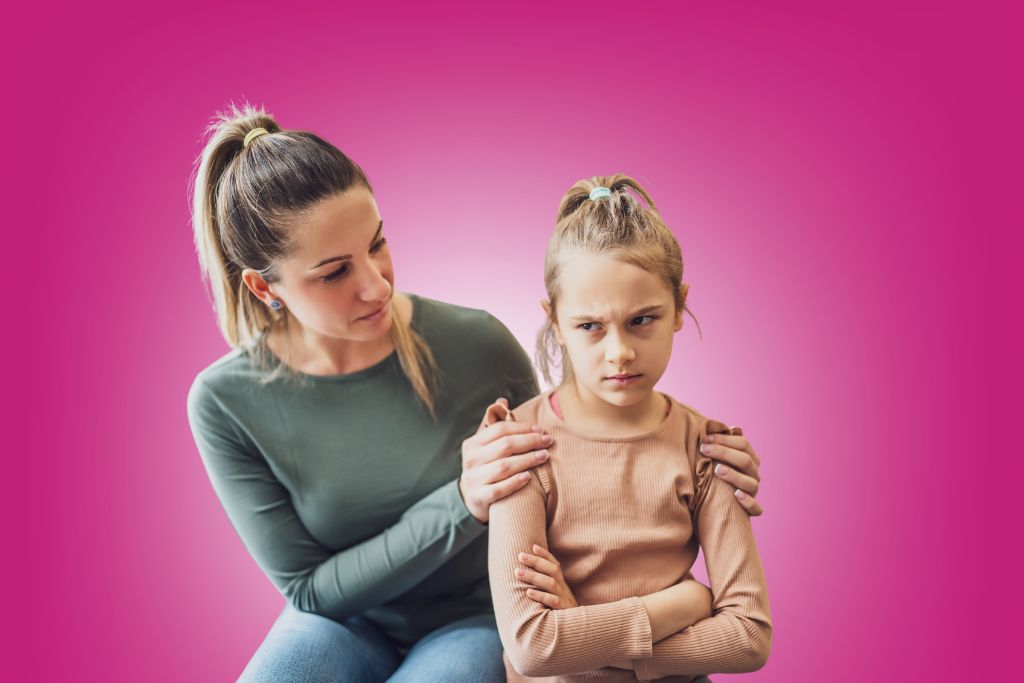
Many struggling children become experts at hiding their pain.
Some children work incredibly hard to maintain appearances while privately battling:
The better they become at masking their struggles, the easier it is for adults to overlook what is happening underneath the surface.
Many high-achieving students tie their self-worth to performance.
They begin to believe:
Over time, this mindset creates tremendous pressure.
These children often become:
They may avoid asking for help because they fear looking weak.
They may hide their struggles because they don't want to disappoint others.
And they often keep pushing themselves long after their nervous systems are overwhelmed.
This is one reason conversations about grades and mental health need to focus on the whole child—not just academic outcomes.
Success without well-being is not true success.
One of the biggest dangers of focusing only on grades is that subtle warning signs often go unnoticed.
As I often say, behavior is communication.
Changes in behavior frequently tell us more than a report card ever will.
Warning signs may include:
Parents often dismiss these signs because their child continues performing well academically.
But emotional distress doesn't disappear simply because grades remain strong.
🗣️ “Grades tell us how a child is performing. Mental health tells us how a child is coping. Those are not the same thing.” — Dr. Roseann
The Regulation Rescue Kit provides practical Regulation First Parenting™ tools that help reduce stress, improve emotional regulation, and create more peace at home. Become a Dysregulation Insider VIP and get your FREE kit: www.drroseann.com/newsletter
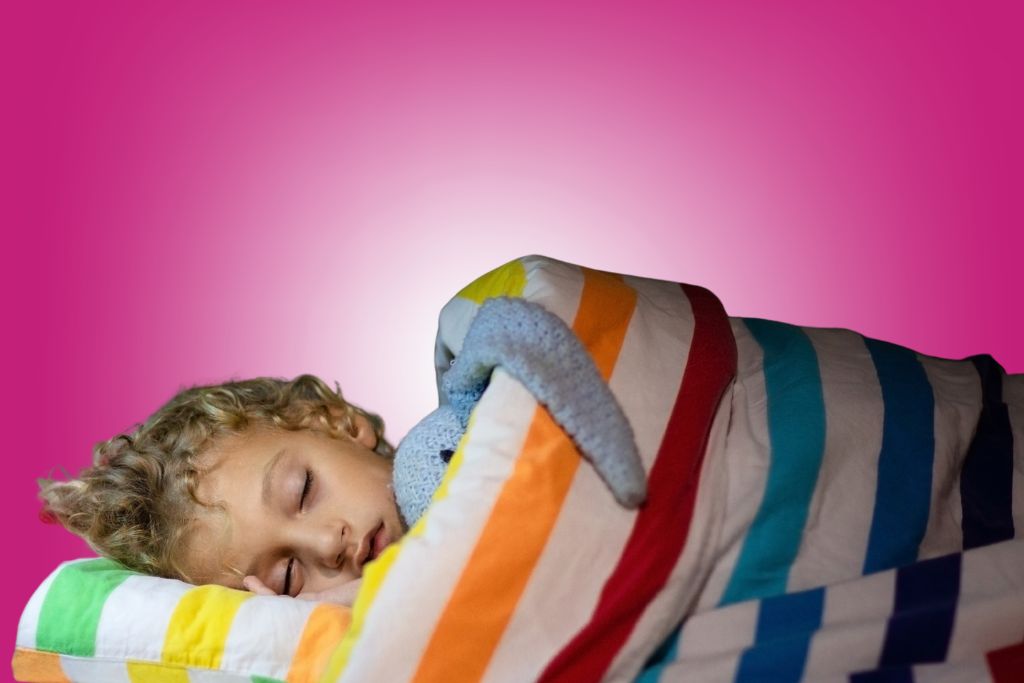
One of the first places mental health concerns often appear is sleep.
Children and teens need sleep to support:
Yet many students sacrifice sleep to maintain academic performance.
They stay up late studying.
They overcommit to extracurricular activities.
They push themselves beyond what their brains and bodies can sustain.
When children consistently sacrifice sleep for achievement, it becomes a warning sign—not a badge of honor.
Poor sleep contributes to:
A child earning excellent grades while sleeping four or five hours a night is not thriving.
They're struggling.
Many children don't have the language to explain anxiety, stress, or depression.
Instead, their bodies communicate what they're feeling.
Common physical symptoms include:
These are often called somatic symptoms.
Parents should pay close attention to recurring physical complaints, especially when medical evaluations don't reveal a clear cause.
The nervous system often speaks through the body before children can explain what they're experiencing emotionally.
One of the best ways to support emotional well-being is through connection.
Children are often more willing to talk when they are:
Movement helps regulate the nervous system.
And when the nervous system feels safe, communication often becomes easier.
Instead of asking:
"Are you stressed?"
Try asking:
Curiosity creates connection.
Connection creates safety.
And safety opens the door to honest conversations.
Grades and mental health are not the same thing. Academic success can coexist with anxiety, perfectionism, emotional distress, and burnout.
Look beyond report cards, pay attention to behavior, and remember that helping your child feel emotionally healthy is just as important as helping them succeed academically. It's gonna be OK.
Absolutely. Many high-achieving students experience anxiety, depression, perfectionism, and emotional distress while continuing to perform well in school.
Sleep difficulties, irritability, withdrawal, physical complaints, perfectionism, emotional reactivity, and increased stress can all be warning signs.
Sleep supports emotional regulation, learning, memory, attention, and overall brain health. Chronic sleep deprivation can worsen anxiety and mood problems.
Look for behavioral changes, physical symptoms, increased perfectionism, emotional reactivity, and signs that your child is sacrificing well-being to maintain performance.
Focus on connection, emotional regulation, healthy sleep habits, open communication, stress management, and seeking support when concerns arise.
Not sure where to start? Take the guesswork out of helping your child. Use our free Solution Matcher to get a personalized plan based on your child’s unique needs—whether it’s ADHD, anxiety, mood issues, or emotional dysregulation. Start here: www.drroseann.com/help
Dr. Roseann Capanna-Hodge is a licensed therapist, certified school psychologist, and leading expert in emotional dysregulation in children. With over 30 years of experience, she helps parents understand the root causes of meltdowns, anxiety, ADHD, autism, learning differences, and challenging behavior through the lens of nervous system regulation. She is the creator of Regulation First Parenting™, host of the Dysregulated Kids Podcast, and author of The Dysregulated Kid.
Dr. Roseann Capanna-Hodge
Emotional Dysregulation in Children & Nervous System Expert
Regulation First Parenting™ | CALMS Protocol™
Host of the Dysregulated Kids Podcast (Top 1% Globally)
Author of The Dysregulated Kid