Find Your Solution
In 3 minutes, you’ll know where to start ➤
%20.png)





Discover what I see inside every “defiant” kid’s brain map—revealing that oppositional behavior isn’t defiance but a dysregulated brain signaling stress. Dr. Roseann Capanna-Hodge, expert in Regulation First Parenting™, guides parents to understand, support, and calmly regulate their children’s emotions.
Parenting a defiant child can feel exhausting, confusing, and even isolating. You might wonder if their arguing, refusals, or meltdowns mean you’re failing—but you’re not alone, and it’s not bad parenting.
In this episode, I reveal what I see inside every defiant kid's brain map and explain how oppositional and defiant behavior is actually a signal of a dysregulated brain. You’ll learn how brain patterns drive defiance, why regulation must come before discipline, and practical strategies to help your child calm, focus, and thrive.
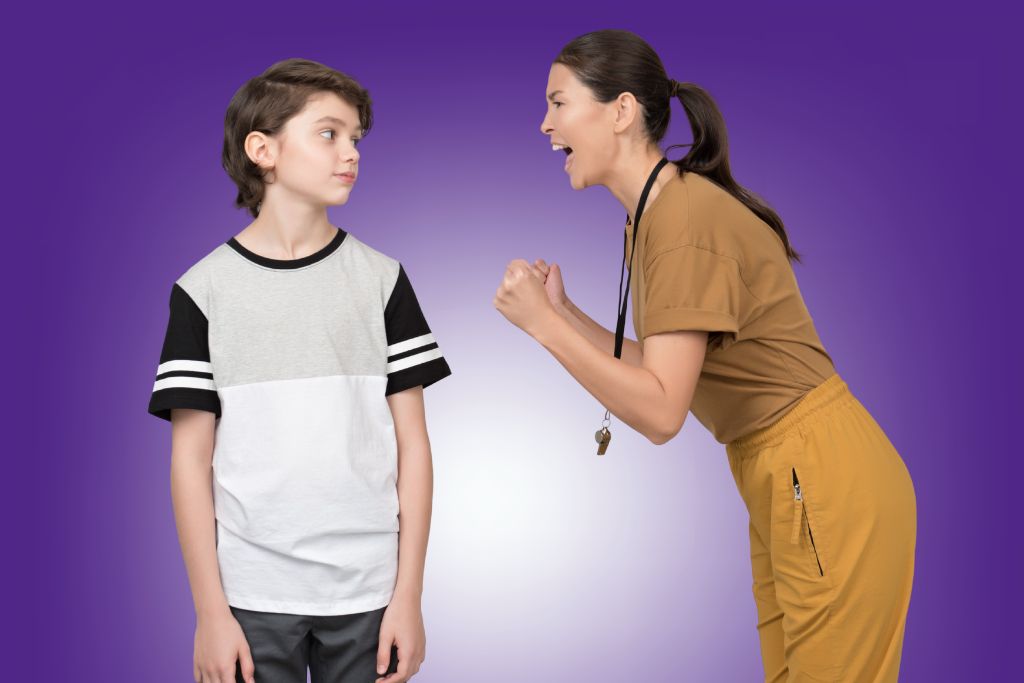
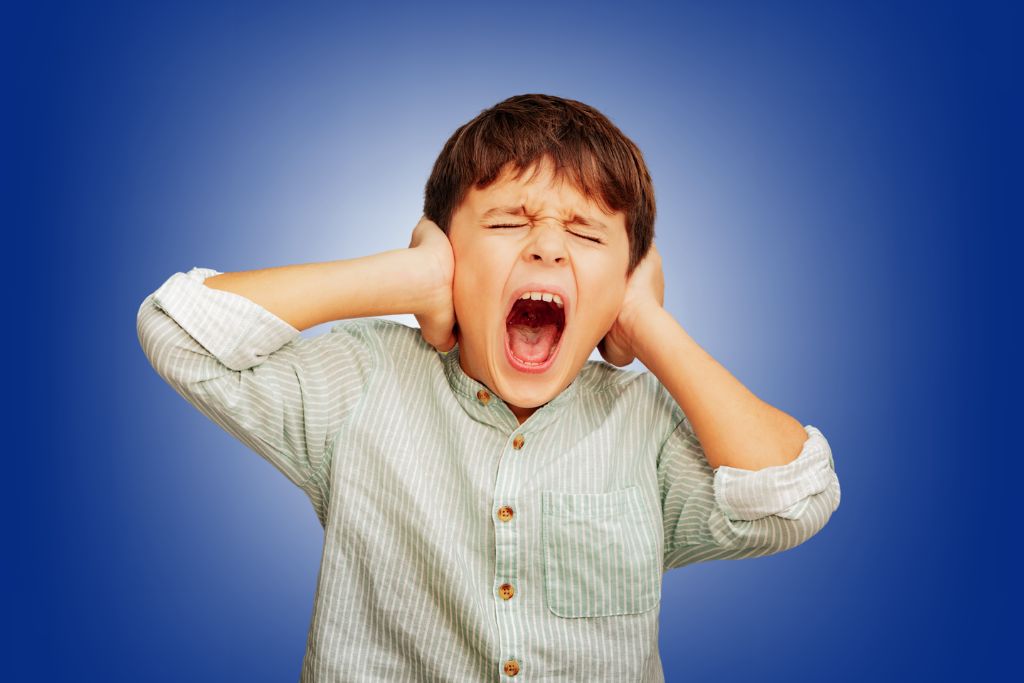
When parents hear “defiant,” it often triggers guilt or frustration—but defiance is never the first problem. Even behaviors that look like oppositional defiant disorder are often a sign of underlying dysregulation, not a personality flaw.
Example: A child who refuses homework may not be stubborn—they’re simply overwhelmed by information, sensory input, or stress.
️ “Defiance really isn’t a choice, it’s a way of communicating.” — Dr. Roseann
Brain mapping, or QEEG, measures electrical activity across the brain and compares it to age-appropriate norms.
Real-life scenario: Riley, a 10-year-old with extreme defiance, had hyperactive connectivity across his brain. Once his nervous system was regulated through neurofeedback and sensory support, his behavior shifted dramatically.
Tip: You don’t always need a brain map—look for the behavioral breadcrumbs. They’re screaming, “I need regulation first.”
Behavioral strategies alone often fail because they bypass the brain’s underlying dysregulation.
First step: Calm the nervous system. When the brain is regulated, skills like listening, planning, and impulse control become accessible.
Key Takeaways:
When your child is dysregulated, it’s easy to feel helpless.
The Regulation Rescue Kit gives you the scripts and strategies you need to stay grounded and in control.
Become a Dysregulation Insider VIP at www.drroseann.com/newsletter and get your free kit today.
I want to emphasize common neurological patterns in defiant children:
Tip: Recognize these patterns in your child to better understand their reactions, emotions, and stress signals.
For immediate support, try Quick CALM to help your child regulate in the moment.
Defiance isn’t a choice—it’s communication. Understanding what I see inside every defiant kid’s brain map empowers parents to see behavior as a signal of dysregulation, not defiance.
Start with regulation, provide support, and watch executive functioning and emotional balance improve. It’s gonna be OK—your child can learn, grow, and thrive.
Focus on calming the nervous system. Regulation must come before teaching skills or enforcing consequences.
ADHD impacts attention, executive functioning, and impulse control, often making children appear oppositional when their brain is simply overwhelmed.
Yes. Brain maps reveal overactive and underactive regions, helping parents and practitioners identify triggers for oppositional and defiant behavior.
Model calm, provide sensory breaks, and regulate emotions before expecting cooperation. Behavior change follows regulation.
Not always. While trauma can impact regulation, most defiant behaviors stem from neurological overwhelm and stress patterns, not necessarily abuse.
Feel like you’ve tried everything and still don’t have answers?
The Solution Matcher helps you find the best starting point based on your child’s symptoms, behaviors, and history.
It’s fast, free, and based on decades of clinical expertise.
Get your personalized plan now at www.drroseann.com/help
Dr. Roseann Capanna-Hodge is a licensed therapist, certified school psychologist, and leading expert in emotional dysregulation in children. With over 30 years of experience, she helps parents understand the root causes of meltdowns, anxiety, ADHD, and challenging behavior through the lens of nervous system regulation. Dr. Roseann teaches practical, science-backed strategies for co-regulation and how to calm a dysregulated child using her Regulation First Parenting™ approach. She is the host of the Dysregulated Kids Podcast and author of The Dysregulated Kid.
Dr. Roseann Capanna-Hodge
Emotional Dysregulation in Children & Nervous System Expert
Regulation First Parenting™ | CALMS Protocol™
Host of the Dysregulated Kids Podcast (Top 1% Globally)
Author of The Dysregulated Kid