Find Your Solution
In 3 minutes, you’ll know where to start ➤
%20.png)





Estimated Reading Time: 6 Minutes
Have you ever noticed that the more you explain, reason, or try to help, the more upset your child becomes? Learning how to calm your child without saying a word may be one of the most powerful parenting tools you ever develop. When children are dysregulated, anxious, or overwhelmed, words often add more stimulation instead of creating calm.
Parenting a child who struggles with big emotions can leave you exhausted and second-guessing yourself. You want to help, but every attempt seems to make things worse. The good news is that your child doesn't always need more words. What they often need most is your regulated presence.
In this episode, I explain the brain science behind co-regulation, why talking can backfire during emotional moments, and how your body language, breathing, and calm energy can help your child feel safe enough to regulate.
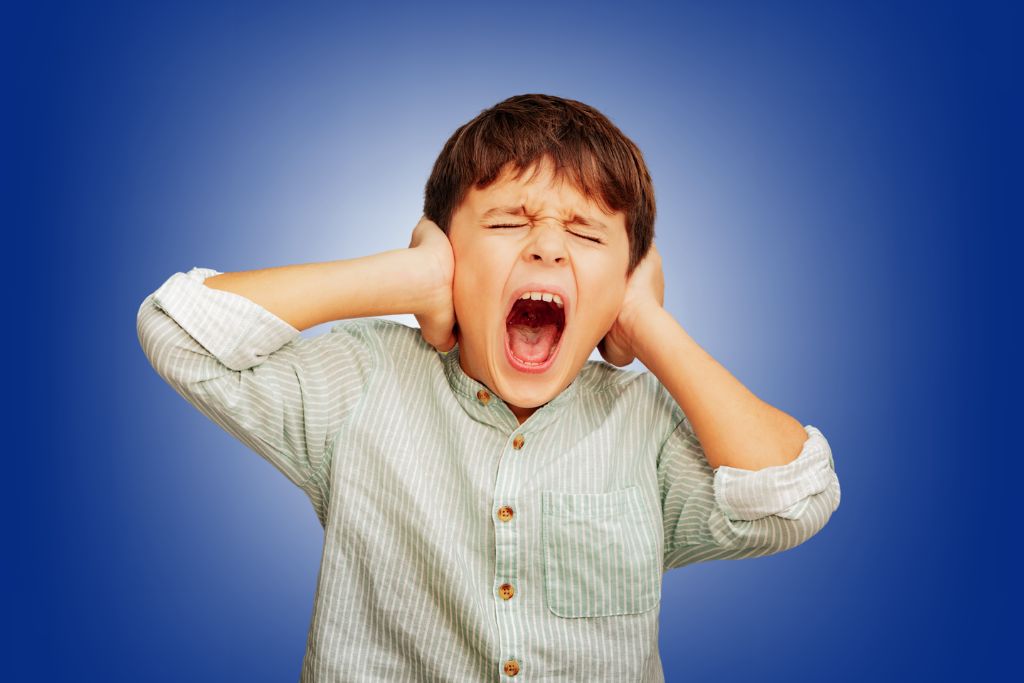
When children become dysregulated, their nervous system shifts into fight, flight, or freeze.
In this state, the thinking brain becomes less accessible. Logic, reasoning, and language processing take a back seat while the survival brain takes over.
That's why phrases like:
often don't help in the moment.
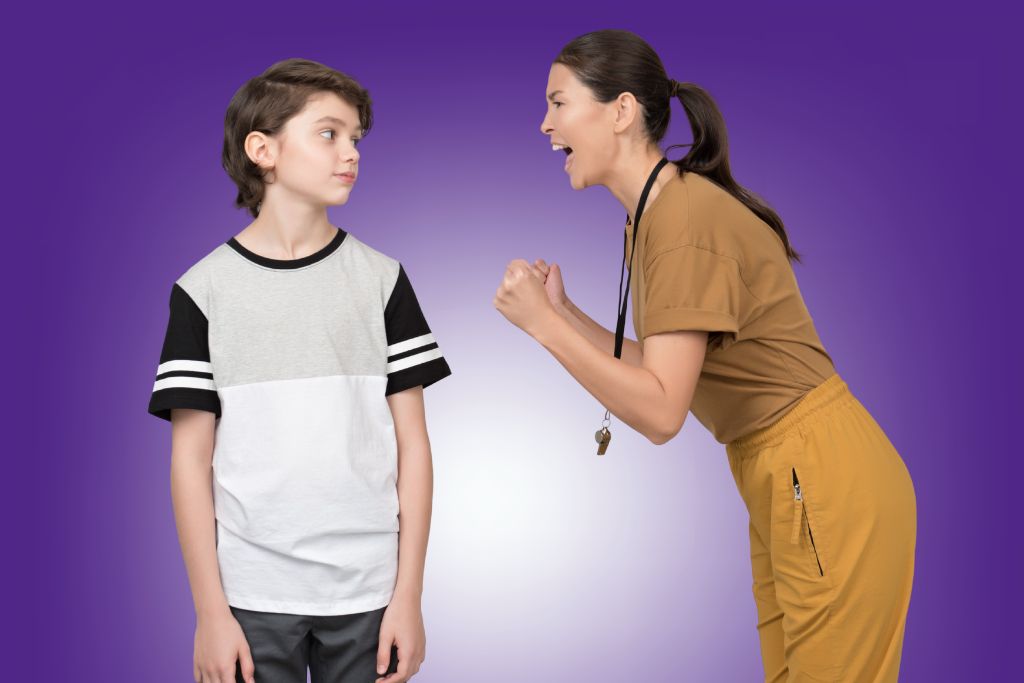
Instead, more talking can create more stimulation.
When the nervous system feels threatened:
This isn't defiance.
This is dysregulation.
Behavior is communication.
When children are overwhelmed, their nervous systems need safety before they can access problem-solving.
🗣️ "In the heat of the moment, silence and co-regulation calm the brain faster than explanations." — Dr. Roseann
The first step is checking your own nervous system.
Before helping your child regulate, ask yourself:
"Am I regulated enough to help my child right now?"
Your child is borrowing your nervous system.
If you're escalated, frustrated, or anxious, your child will often mirror that energy.
Instead of talking:
These nonverbal cues communicate safety far more effectively than a lecture ever could.
A child begins screaming after being told it's time to stop playing a video game.
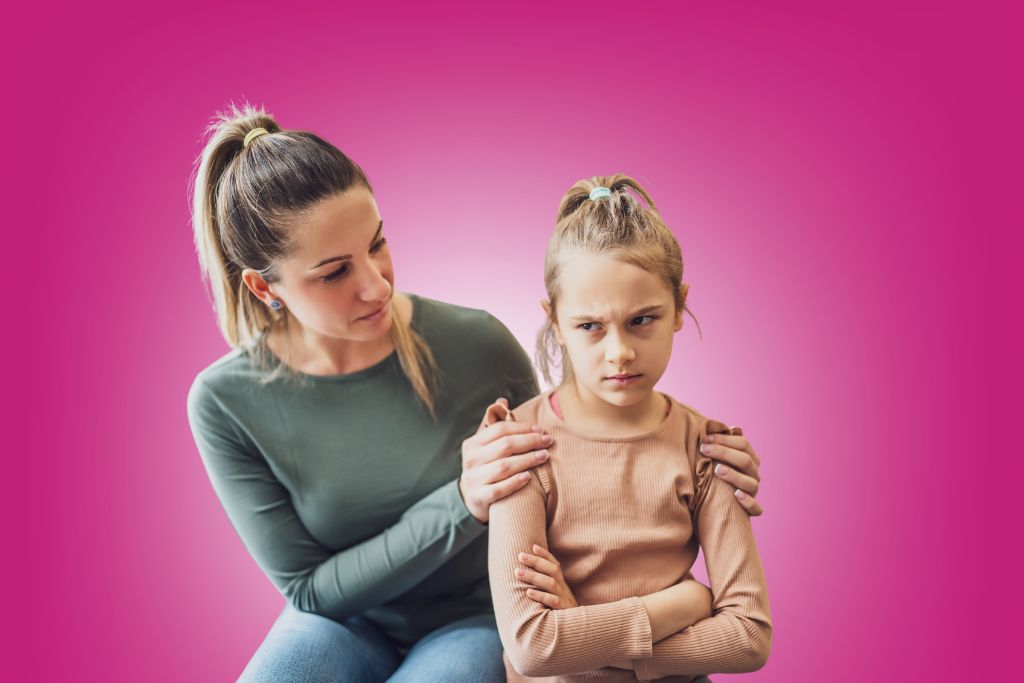
Instead of immediately correcting the behavior, the parent takes a breath, sits nearby, softens their posture, and remains calm.
Within minutes, the intensity begins to decrease.
The child isn't responding to words.
They're responding to safety.
Co-regulation happens through nervous system communication.
Children pick up on our emotional state long before they process our words.
That's why silent regulation strategies can be so effective.
These actions send powerful signals to the nervous system.
If your child welcomes physical contact, consider:
Always follow your child's cues.
Some children need more physical connection, while others need more space.
A child becomes overwhelmed before school. Instead of asking repeated questions, the parent sits quietly beside them and begins taking slow breaths.
Within a few minutes, the child's breathing naturally begins matching the parent's rhythm.
That's co-regulation in action.
When your child is dysregulated, it's easy to feel helpless.
The Regulation Rescue Kit gives you practical scripts, calming tools, and Regulation First Parenting™ strategies to help you stay grounded and respond effectively. Become a Dysregulation Insider VIP and get your FREE kit today: www.drroseann.com/newsletter
Absolutely.
This is one of the most important concepts parents need to understand.
Children learn self-regulation through repeated experiences of co-regulation.
Mirror neurons help children absorb and imitate the emotional states of trusted adults.
Over time, they begin internalizing the regulation skills they experience with you.
When you consistently model regulation:
Co-regulation always comes before self-regulation.
That's why calming yourself first is one of the most powerful things you can do.
You don't need a complicated plan.
Start with one simple shift:
Talk less. Regulate more.
The next time your child becomes overwhelmed:
Then observe what happens.
For the next week:
Many parents notice meaningful improvements in recovery time, intensity, and connection when they make this one change.
Talking won't calm a dysregulated brain.
Safety will.
Your child isn't giving you a hard time—they're having a hard time.
When you regulate yourself first, you create the conditions that allow your child to regulate too.
Remember:
These simple shifts don't just help during meltdowns.
They teach lifelong emotional regulation skills.
When children are dysregulated, the thinking brain becomes less accessible. Additional words can feel overwhelming and increase stress instead of reducing it.
Soft facial expressions, relaxed shoulders, calm breathing, slow movements, and non-threatening posture all communicate safety to the nervous system.
No. Forced eye contact can increase stress for many children. Follow your child's cues and focus on creating safety rather than demanding engagement.
Older children learn regulation the same way younger children do—through co-regulation. Consistently modeling calm behavior helps build the skills they eventually internalize and use independently.
Yes. Your nervous system directly influences your child's nervous system. Over time, repeated experiences of co-regulation strengthen emotional regulation pathways and improve resilience.
Every child's journey is different. That's why cookie-cutter solutions don't work.
Take the free Solution Matcher Quiz and get a customized path to support your child's emotional and behavioral needs.
Start today at:
Dr. Roseann Capanna-Hodge is a licensed therapist, certified school psychologist, and leading expert in emotional dysregulation in children. With over 30 years of experience, she helps parents understand the root causes of meltdowns, anxiety, ADHD, and challenging behavior through the lens of nervous system regulation. Dr. Roseann teaches practical, science-backed strategies for co-regulation and how to calm a dysregulated child using her Regulation First Parenting™ approach. She is the host of the Dysregulated Kids Podcast and author of The Dysregulated Kid.
Dr. Roseann Capanna-Hodge
Emotional Dysregulation in Children & Nervous System Expert
Regulation First Parenting™ | CALMS Protocol™
Host of the Dysregulated Kids Podcast (Top 1% Globally)
Author of The Dysregulated Kid