Find Your Solution
In 3 minutes, you’ll know where to start ➤
%20.png)





Estimated Reading Time: 6 minutes
If your child is constantly melting down, snapping at you, or shutting down, learning effective brain calming techniques for parents can completely change how your family responds to stress. When kids are emotionally overwhelmed, traditional discipline often backfires because a dysregulated brain cannot think clearly, process language, or problem-solve. In this episode, I explain how nervous system dysregulation works, what overstimulation and understimulation really look like, and how parents can calm the brain first so behavior starts to shift naturally.
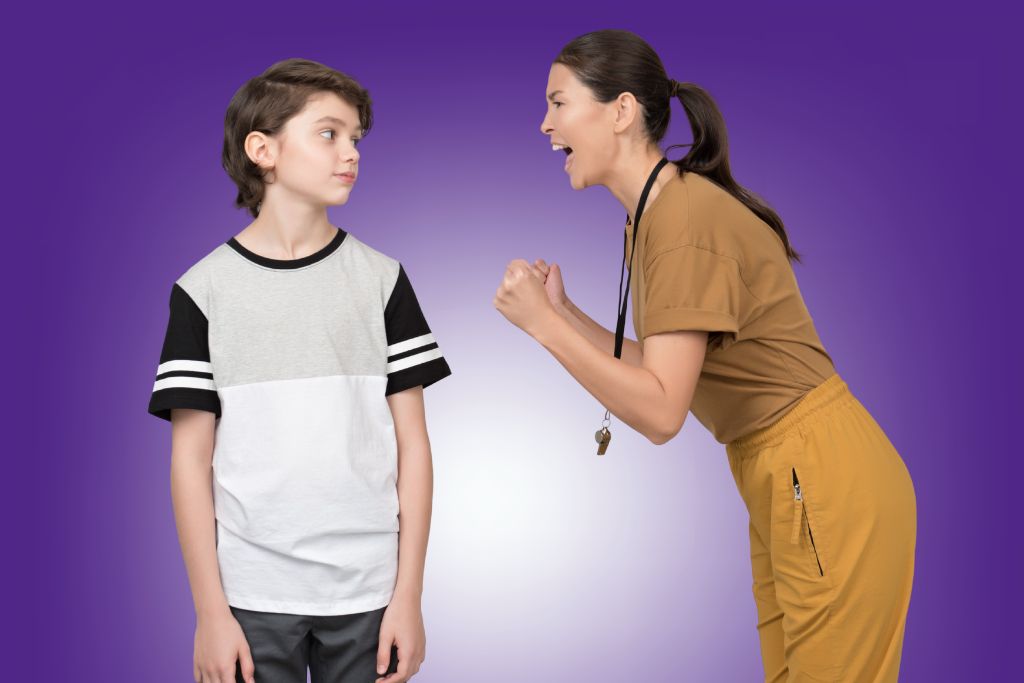
When your child explodes over small things, refuses simple tasks, or seems “on edge” all the time, it’s easy to feel frustrated and helpless. But what you’re seeing is not bad behavior or bad parenting. It’s a stress-activated nervous system.
This is why understanding emotional dysregulation in children matters so much. Once you view behavior through a nervous system lens, everything changes. Instead of reacting to the meltdown, you start supporting the brain underneath it.
And that’s where real healing begins.
A dysregulated child often looks oppositional, reactive, anxious, or emotionally explosive. But underneath those behaviors is a brain struggling to stay regulated under stress.
When the nervous system becomes overloaded, the thinking brain goes offline. That means your child may struggle with:
This is why kids often melt down during homework, transitions, bedtime, or after school. Their nervous system simply runs out of capacity.
A parent once shared that every afternoon her son exploded the second she asked about homework. Once she understood his after-school behavior as nervous system overload rather than defiance, her entire response changed. Instead of correcting first, she focused on regulation first.
And that’s exactly what Regulation First Parenting™ teaches: calm the brain first, then guide behavior.
One of the biggest parenting mistakes I see is assuming all dysregulation looks hyperactive or emotional. But some kids are actually understimulated.
Both states create behavior challenges because the nervous system is out of balance.
This is why regulation techniques for kids must be individualized. Some children need calming sensory input. Others need movement and activation.
Real-life example: One child paces nonstop after school because their nervous system is overloaded. Another child stares blankly at homework because their nervous system is underactivated. Both children are dysregulated, but they need different supports.
Helpful nervous system reset tools include:
Behavior is communication. Once you understand what the nervous system is asking for, your parenting shifts from reactive to proactive.
If you’re tired of walking on eggshells or feeling like nothing works, get the FREE Regulation Rescue Kit and finally learn what to say and do in the heat of the moment. Become a Dysregulation Insider VIP at www.drroseann.com/newsletter and take the first step toward a calmer home.
This is the hardest part for parents because your child’s dysregulation activates your nervous system too.
But here’s the truth: co-regulation always comes before self-regulation.
Your child is borrowing your nervous system.
That means your calm matters more than your words.
A parent once described her 6-year-old throwing shoes during a rushed morning transition. Instead of yelling, she crouched down, softened her voice, and calmly said, “Your brain feels overwhelmed right now. I’m here.”
Within minutes, her child’s nervous system settled.
This is the power of co-regulation.
Calm your child without yelling starts with calming yourself first.
Parents often try to fix everything at once. But overwhelmed brains do better with small, focused goals.
Choose one high-impact behavior first.
Examples include:
Why this works:
Inside our program, we use executive functioning supports and nervous system regulation tools to help kids practice one skill at a time.
Remember: small wins create momentum.
Parents are often searching for a “magic fix,” but real nervous system healing happens through consistent regulation habits.
The good news? Simple habits create powerful change over time.
These strategies support a true nervous system reset for children because they reduce chronic stress activation.
And when the brain feels safe, learning, focus, and emotional regulation improve naturally.
“Our children co-regulate with us. The calmer you are, the calmer they can become.”
— Dr. Roseann
Your child is not trying to give you a hard time. They are having a hard time.
When we stop viewing meltdowns as manipulation and start understanding them as nervous system distress, we parent differently. We regulate first. We connect before correcting. And we help kids build the skills their brain is still learning.
It’s not bad parenting. It’s a dysregulated brain.
And it’s gonna be OK.
If you want more support, practical tools, and science-backed strategies for raising kids with big emotions, join our parenting community at www.drroseann.com/group.
Stress, anxiety, ADHD, sensory overwhelm, trauma, learning challenges, and nervous system overload can all contribute to emotional dysregulation in children.
Start with co-regulation. Lower your voice, slow your breathing, reduce stimulation, and focus on calming the nervous system before correcting behavior.
No. Meltdowns can come from overstimulation, executive functioning struggles, sensory overload, fatigue, frustration, or nervous system dysregulation.
Movement, sensory breaks, predictable routines, breathwork, magnesium support, sleep, and co-regulation are all highly effective regulation tools.
Absolutely. When the nervous system becomes regulated, kids can think clearly, manage emotions, and access coping skills much more effectively.
Feel like you’ve tried everything and still don’t have answers?
The Solution Matcher helps you find the best starting point based on your child’s symptoms, behaviors, and history. It’s fast, free, and based on decades of clinical expertise.
Get your personalized plan now at www.drroseann.com/help
Dr. Roseann Capanna-Hodge is a licensed therapist, certified school psychologist, and leading expert in emotional dysregulation in children. With over 30 years of experience, she helps parents understand the root causes of meltdowns, anxiety, ADHD, and challenging behavior through the lens of nervous system regulation. Dr. Roseann teaches practical, science-backed strategies for co-regulation and how to calm a dysregulated child using her Regulation First Parenting™ approach. She is the host of the Dysregulated Kids Podcast and author of The Dysregulated Kid.
Dr. Roseann Capanna-Hodge
Emotional Dysregulation in Children & Nervous System Expert
Regulation First Parenting™ | CALMS Protocol™
Host of the Dysregulated Kids Podcast (Top 1% Globally)
Author of The Dysregulated Kid